
Best Haircare Routine for Healthy, Shiny Hair 2026
Written by Emma ·
Let’s be real we all want gorgeous, healthy hair, but keeping up with a proper haircare routine feels overwhelming sometimes. Between heat styling, pollution, stress, and the endless scroll of conflicting advice online, it’s easy to feel lost. Sound familiar?
You’re not alone. Millions of women struggle with dull, frizzy, or damaged hair every single day. The good news? You don’t need a salon visit every week or an expensive product collection to get results. What you do need is a consistent, well-structured haircare routine tailored to your hair type and that’s exactly what this guide is all about.
In this post, we’ll walk you through everything: a step-by-step routine, the best healthy hair tips, natural remedies that actually work, common mistakes to stop making, and the biggest haircare trends 2026 has brought to the forefront. Whether you’re dealing with hair loss, dryness, or frizz, this is your complete roadmap to better hair days ahead.
Why Haircare Is Important in 2026

We’re living in an era where our hair faces more stress than ever before. And no, that’s not an exaggeration.
Pollution is one of the biggest silent culprits behind hair damage today. Fine dust particles, smoke, and environmental toxins settle on your scalp and hair strands, clogging follicles, causing inflammation, and leading to excess hair fall. Studies have linked urban air pollution to reduced keratin protein in hair essentially weakening your strands from the inside out.
Then there’s heat styling. Curling irons, flat irons, blow dryers they’ve become part of the daily routine for most women. But consistent exposure to high temperatures strips moisture from the hair shaft, leaving it brittle, porous, and prone to breakage. Without a protective haircare routine, cumulative heat damage can be very difficult to reverse.
Stress is another major factor. Cortisol, the body’s primary stress hormone, has a direct impact on the hair growth cycle. Elevated stress levels can push more hairs into the shedding phase a condition called telogen effluvium which results in noticeable thinning and hair loss.
Finally, diet plays a more significant role than most people realise. Iron deficiency, low protein intake, lack of Vitamin D and biotin, and inadequate hydration are all linked to weak, slow-growing, and dull hair. Your hair reflects what’s happening inside your body and in 2026, nutritional deficiencies are more common than ever due to processed food culture.
The takeaway? A proper haircare routine isn’t vanity it’s self-care that protects your hair against the very real challenges of modern life.
Step-by-Step Haircare Routine
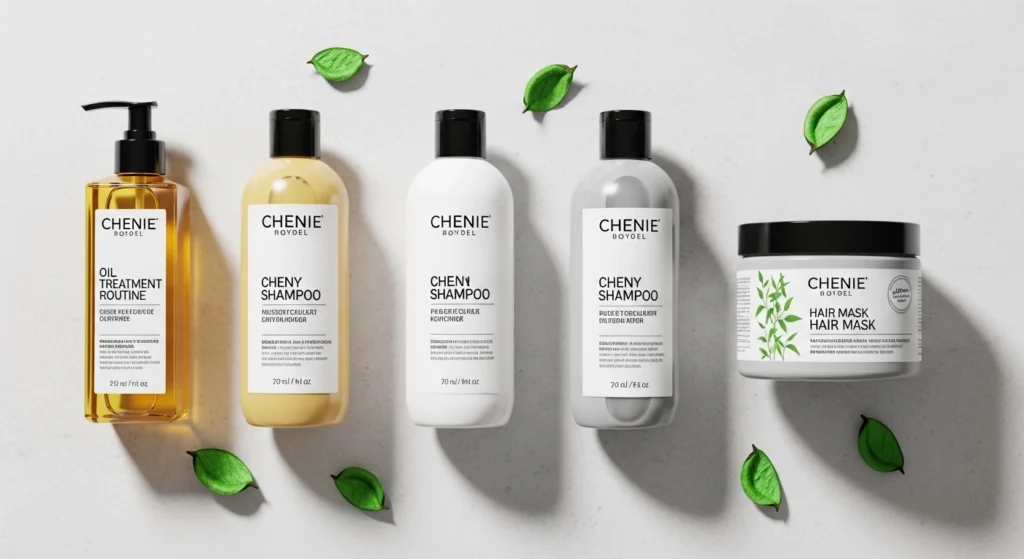
Building a good haircare routine doesn’t have to be complicated. Think of it as a layered system each step supports the next. Here’s how to do it right.
Step 1 – Oiling
Pre-wash oiling is one of the most underrated steps in any scalp care routine. Massaging oil into your scalp before washing nourishes the roots, improves blood circulation, reduces protein loss during shampooing, and adds a layer of protection against water damage.
The best oils for hair health include coconut oil (deeply penetrating for protein retention), castor oil (thick and ideal for stimulating growth), argan oil (lightweight and great for shine), and jojoba oil (closely mimics the scalp’s natural sebum).
Apply oil at least 30 minutes before washing or leave it on overnight for a deep treatment. Use your fingertips to gently massage the scalp in circular motions for 5–10 minutes. This step alone can make a significant difference in hair thickness and shine over time, making it a cornerstone of hair growth tips recommended by trichologists.
Step 2 – Shampooing
How you shampoo matters more than which shampoo you use. Most women over-wash their hair, which strips the scalp of its natural oils and leads to a cycle of dryness and overproduction of sebum.
For most hair types, washing 2–3 times per week is ideal. If you have an oily scalp, you might go up to 4 times, but no more. When shampooing, focus on your scalp not the lengths of your hair. The lengths will get cleansed naturally as the lather runs down.
Look for shampoos that are sulphate-free if your hair is colour-treated, dry, or curly. Sulphates are effective cleansers but can be harsh and drying. A gentle, pH-balanced formula supports the health of both your scalp and your strands.
Step 3 – Conditioning
Conditioner is non-negotiable in any solid haircare routine for women. It replenishes moisture, smooths the hair cuticle, detangles, and reduces breakage during combing.
Apply conditioner from the mid-lengths to the ends never directly on the scalp, as this can weigh hair down and cause buildup. Leave it on for 2–5 minutes before rinsing with cool water. Cool water seals the cuticle and adds natural shine.
Once a week, swap your regular conditioner for a deep conditioning treatment or hair mask to restore moisture at a deeper level.
Step 4 – Hair Masks
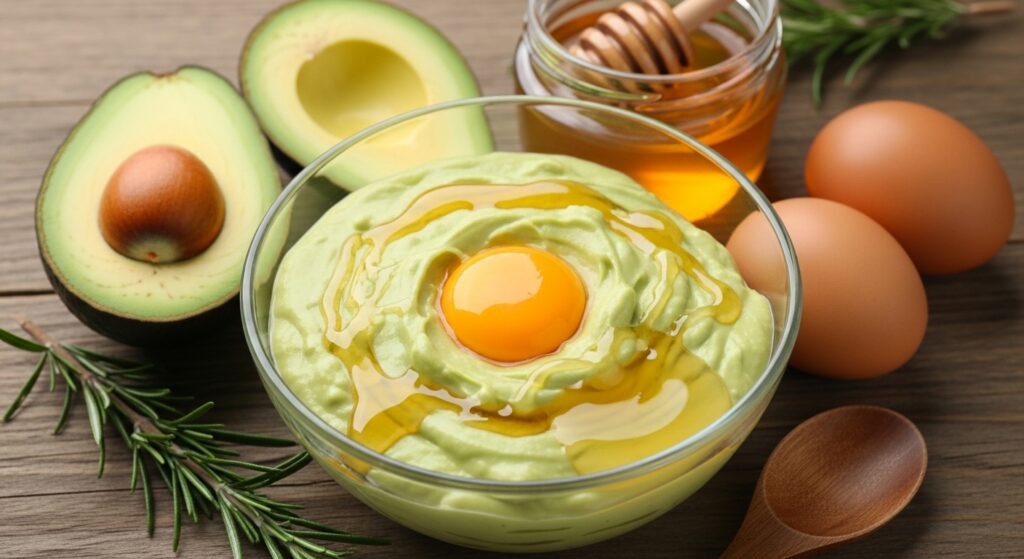
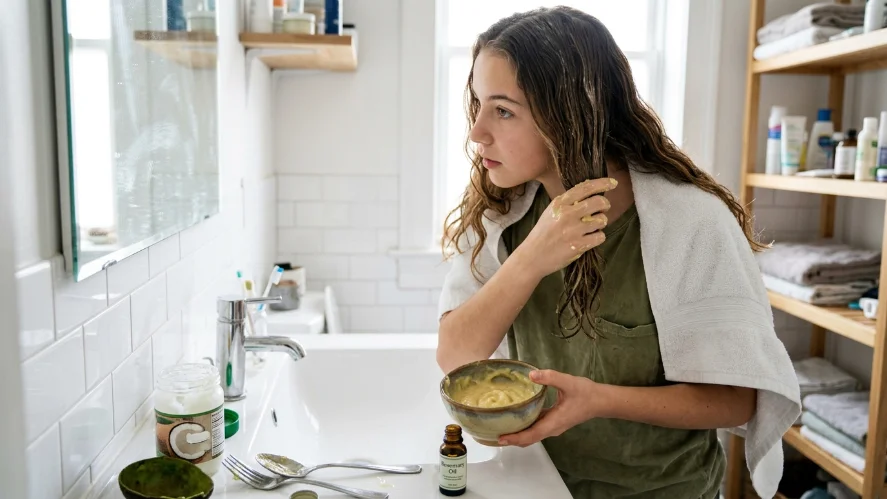
Hair masks are the intensive care step in your routine and they’re one of the most impactful tools for damaged hair repair. Whether you buy one or make one at home, the goal is the same: to deeply penetrate the hair shaft and restore strength, moisture, and elasticity.
For dry or damaged hair, look for masks containing ingredients like keratin, hyaluronic acid, shea butter, or panthenol. For oily scalps, lightweight masks with aloe vera or green tea extracts work beautifully without adding heaviness.
Apply your mask after shampooing, cover with a shower cap, and leave on for 15–30 minutes. The heat from your scalp helps the ingredients absorb more effectively. Do this once a week for best results.
Step 5 – Leave-in Products & Serums
The final step is all about protection and styling prep. Leave-in conditioners, heat protectant sprays, and hair serums lock in the moisture from your routine and shield your strands from daily damage.
If you use heat tools, a heat protectant is absolutely essential no exceptions. Apply it to damp hair before blow-drying or straightening. Hair oils and serums applied to dry hair add shine, control frizz, and give a polished finish without weighing the hair down.
This is also where targeted treatments like scalp serums (for thinning hair) or anti-frizz serums come into play, making them a smart addition to any low maintenance haircare plan.
Best Haircare Tips for Different Hair Types
Not all hair is the same, and your routine should reflect that. Here’s a quick breakdown of the best approach for each type.
Dry hair needs moisture at every step. Use hydrating shampoos, rich conditioners, weekly masks, and seal everything in with a light oil or butter-based leave-in. Avoid sulphates and alcohol-based products, and limit heat styling as much as possible.
Oily hair benefits from lightweight, balancing products. Over-washing can actually make oiliness worse, so try stretching your wash days. Use a scalp scrub once a week to remove buildup, and stick to volumising, non-comedogenic products. Dry shampoo can be your best friend between wash days.
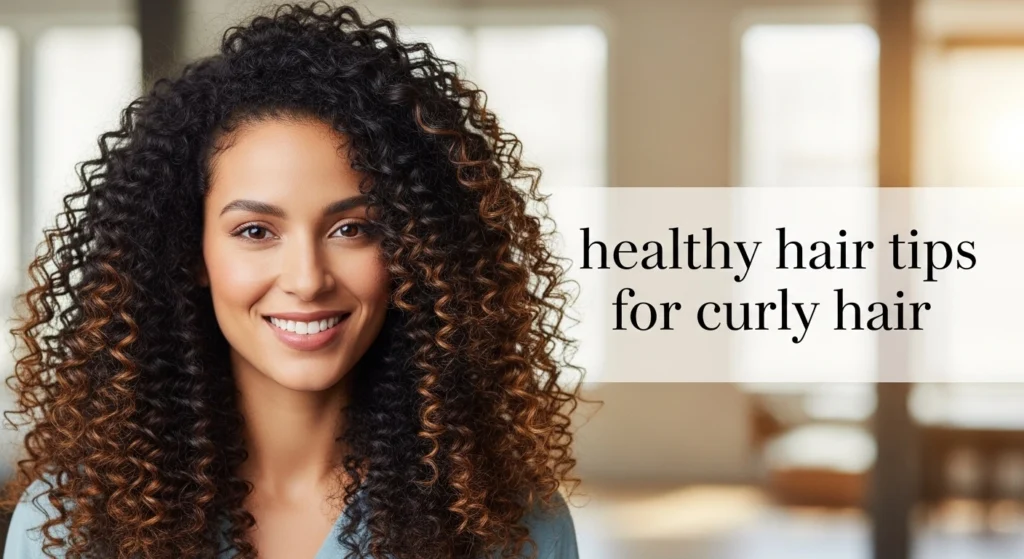
Curly hair thrives with the LOC method (Liquid, Oil, Cream) applied to soaking wet hair. Curls need hydration and definition look for curl-specific products and avoid brushing dry. Diffuse instead of blow-drying, and sleep on a silk or satin pillowcase to reduce friction and frizz.
Straight hair tends to show oiliness faster and can go flat easily. Use volumising shampoos and lightweight conditioners. Avoid applying conditioner to the roots and keep heavy oils away from the scalp.
Frizzy hair needs a two-pronged approach: hydration and humidity protection. One of the most effective frizzy hair solutions is incorporating an anti-humidity serum or cream into your routine and switching to a microfibre towel (or old T-shirt) instead of a regular bath towel to dry your hair. Rough towel drying is a leading cause of frizz.
Natural Haircare Remedies That Actually Work
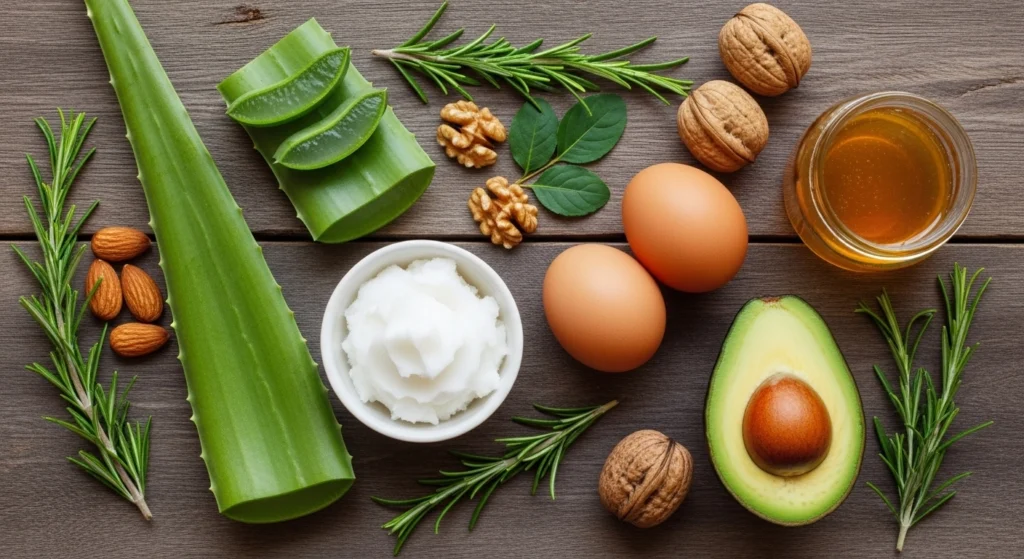
If you love a good DIY moment, you’re in luck. Some of the most effective natural haircare remedies are probably already in your kitchen.
Aloe vera is one of the most versatile natural hair ingredients available. It soothes an itchy scalp, reduces dandruff, balances scalp pH, and adds shine without greasiness. Apply fresh aloe vera gel directly to your scalp, leave for 30 minutes, and rinse. You can also mix it into your conditioner for a daily moisture boost.
Egg masks are a classic for a reason. Eggs are packed with protein and biotin, making them ideal for strengthening weak, brittle hair. Beat one or two eggs, apply to damp hair, leave for 20 minutes, and rinse with cool water (never hot you don’t want scrambled eggs in your hair!).
Onion juice might sound unusual, but it’s one of the most researched hair growth tips in natural medicine. It’s rich in sulphur, which supports collagen production and stimulates hair follicles. A study published in the Journal of Dermatology found it effective in promoting regrowth for people experiencing patchy hair loss. Apply the juice to your scalp, leave for 15–30 minutes, and wash out thoroughly.
Rice water rinse has been used by women in East and Southeast Asia for centuries. Fermented rice water is rich in inositol, a carbohydrate that can penetrate damaged hair and repair it from within. Use it as a final rinse after conditioning, leave on for a few minutes, and rinse out.
Apple cider vinegar diluted in water (1 part ACV to 3 parts water) makes an excellent clarifying rinse that removes buildup, restores shine, and balances scalp pH. Use it once a month or after swimming.
Haircare Mistakes to Avoid For Healthy Shiny Hair
Even with the best intentions, some everyday habits could be sabotaging your progress. Here are the biggest ones to stop immediately.
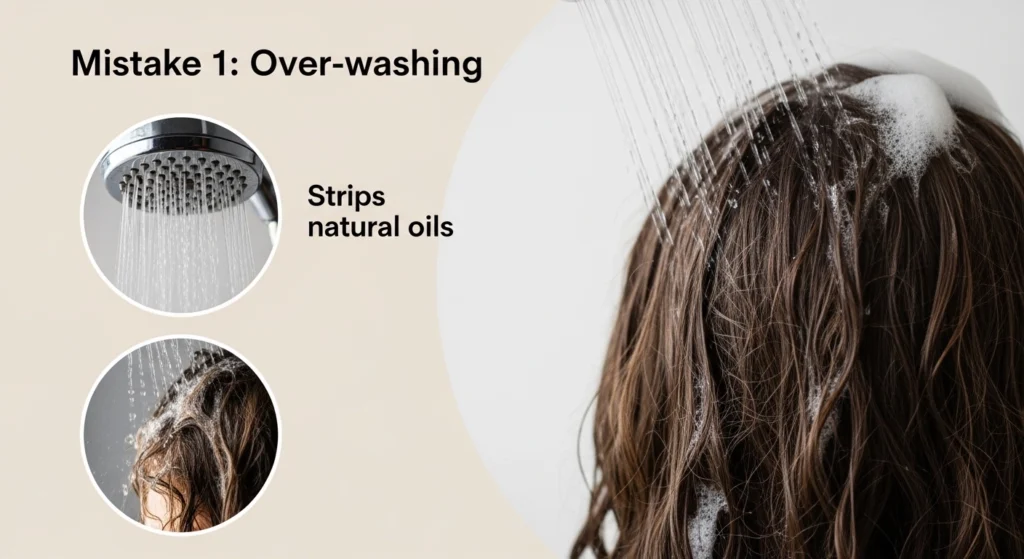
Washing your hair with hot water opens the cuticle and strips moisture always finish with a cool rinse. Brushing wet hair causes breakage since hair is most fragile when wet; use a wide-tooth comb instead. Skipping trims thinking it grows your hair faster is a myth regular trims (every 8–12 weeks) prevent split ends from travelling up the shaft and causing more damage. Sleeping with your hair tied tightly in a ponytail creates tension and breakage at the hairline over time. And finally, using too many products and layering heavy formulas can lead to buildup that suffocates the scalp and dulls your hair.
Trending Haircare Tips in 2026
The haircare trends 2026 landscape is all about scalp-first thinking, ingredient transparency, and embracing natural texture.
Scalp health has officially become the beauty world’s biggest focus. Dermatologists and hair experts are consistently emphasising that healthy hair starts at the root and consumers are listening. Scalp serums, exfoliating scalp masks, and scalp massagers are flying off shelves. If you haven’t started a dedicated scalp care routine yet, 2026 is the year to start.
Waterless and low-water haircare is trending as sustainability becomes central to purchasing decisions. Concentrated shampoo bars, powder shampoos, and dry cleansing formulas are growing in popularity and are often gentler on both hair and scalp.
Skinification of haircare applying skincare-level ingredients like hyaluronic acid, niacinamide, and peptides to hair products is reshaping the best hair products for women category. These ingredients are showing real results for scalp hydration, follicle stimulation, and strand strength.
Protective styling and embracing natural texture is also a massive movement, with more women moving away from daily heat styling and towards braids, buns, and twist-outs. This is a win for hair health across the board.
Best Products for Healthy Hair (Non-Branded Suggestions)
You don’t need the most expensive brands to build a great routine you need the right types of products.
For shampoo, look for sulphate-free, pH-balanced formulas with nourishing ingredients like amino acids, ceramides, or oat extract. For conditioner, prioritise formulas with shea butter, argan oil, or panthenol. A good deep conditioning mask should contain protein (for damaged hair) or humectants like glycerin and aloe (for dry hair). For styling, a heat protectant spray with a thermal shield of at least 230°C is essential, while a lightweight serum with silicone or marula oil adds shine and tames frizz.
Scalp-specific products worth adding to your routine include scalp scrubs (with salicylic acid or sugar granules) and caffeine-based scalp serums for thinning hair both are excellent additions to any well-rounded scalp care routine.If you’re short on time, explore our best beauty hacks for busy women for quick and effective tips.
Weekly vs Daily Haircare Routine
Consistency is key, but so is knowing what your hair actually needs each day versus each week.
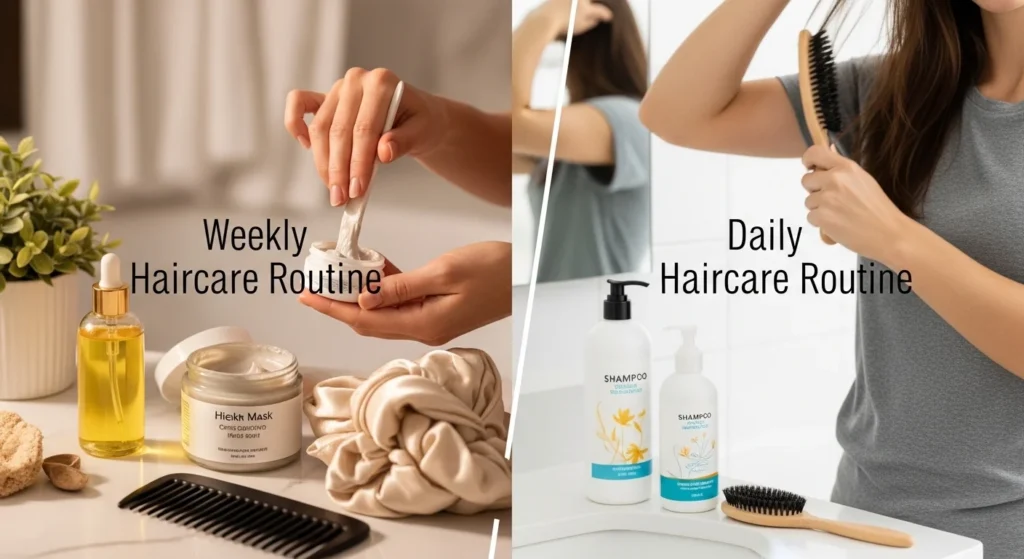
Daily habits that support healthy hair include taking a hair and nail supplement (biotin, Vitamin D, iron), using a silk or satin pillowcase, brushing gently with a boar bristle brush, staying hydrated, and applying a light serum or oil to dry ends if needed.
Weekly rituals should include 1–2 wash days with the full routine (oiling, shampooing, conditioning), one deep conditioning or hair mask session, a scalp massage (with or without oil), and a scalp scrub if you have buildup or dandruff concerns.
Monthly, do a trim check, a clarifying rinse, and reassess whether your products are still working for your hair’s current needs which can change with seasons, diet shifts, or hormonal changes.
This kind of structured but flexible approach is what makes for a truly effective low maintenance haircare system that delivers results without burning you out.
FAQs
Q1: How often should I wash my hair?
For most hair types, 2–3 times per week is ideal. If you have an oily scalp, you may need to wash more frequently. If your hair is dry, thick, or curly, once or twice a week is often enough. Over-washing strips natural oils and can lead to more dryness or oiliness in the long run.
Q2: What is the best oil for hair growth?
Castor oil, rosemary oil, and coconut oil are among the most recommended by hair experts. Rosemary oil in particular has been shown in research to be as effective as minoxidil (a well-known hair growth treatment) for stimulating growth, without the side effects. Always dilute rosemary oil in a carrier oil before applying to the scalp.
Q3: How can I repair damaged hair naturally?
Start with a protein-rich treatment like an egg mask or a keratin-infused hair mask. Reduce heat styling, switch to a sulphate-free shampoo, deep condition weekly, and trim the damaged ends. Incorporating natural haircare remedies like rice water rinses and aloe vera treatments consistently can show results within 4–6 weeks.
Q4: Is it okay to oil your hair every day?
Daily oiling isn’t necessary and can actually lead to scalp buildup and clogged follicles for some hair types. Once or twice a week is plenty for most people. Focus the oil on the scalp if you want to stimulate growth, or on the lengths and ends if your goal is moisture and shine.
Q5: What causes frizzy hair and how do I fix it?
Frizz is mainly caused by lack of moisture, humidity, rough towel drying, and a raised hair cuticle. The best frizzy hair solutions include using a microfibre towel, applying an anti-humidity product while hair is damp, deep conditioning weekly, and sleeping on a silk pillowcase. A cold water rinse at the end of your shower also helps seal the cuticle.
Q6: What are the most important vitamins for hair health?
Biotin, Vitamin D, iron, zinc, and omega-3 fatty acids are the most important nutrients for hair health. Deficiencies in any of these particularly iron and Vitamin D are strongly linked to hair shedding and thinning. If you’re experiencing significant hair loss, it’s worth getting a blood panel done by a healthcare provider.
Q7: Can stress really cause hair loss?
Yes. Significant emotional or physical stress can cause a condition called telogen effluvium, where large numbers of hairs shift into the shedding phase simultaneously. The good news is that this type of hair loss is usually temporary and reverses once the stressor is addressed. Managing stress through exercise, sleep, and mindfulness is a genuinely effective part of any long-term haircare strategy.
Related Articles
Explore more topics in this category
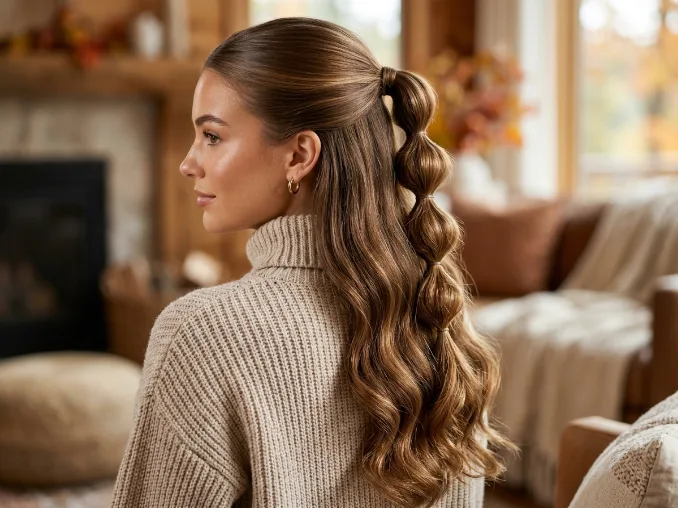
Cozy Fall Hairstyles: 12 Gorgeous Looks to Try
Cozy fall hairstyles make it easy to refresh your look as the weather gets cooler.Loose waves, relaxed braids, low ponytails, and warm accessories create easy styles for autumn days. These looks work beautifully with sweaters, scarves, coats, and other seasonal outfits.You can wear them to work, brunch, date nights, weekend outings, or casual outdoor events.Most…
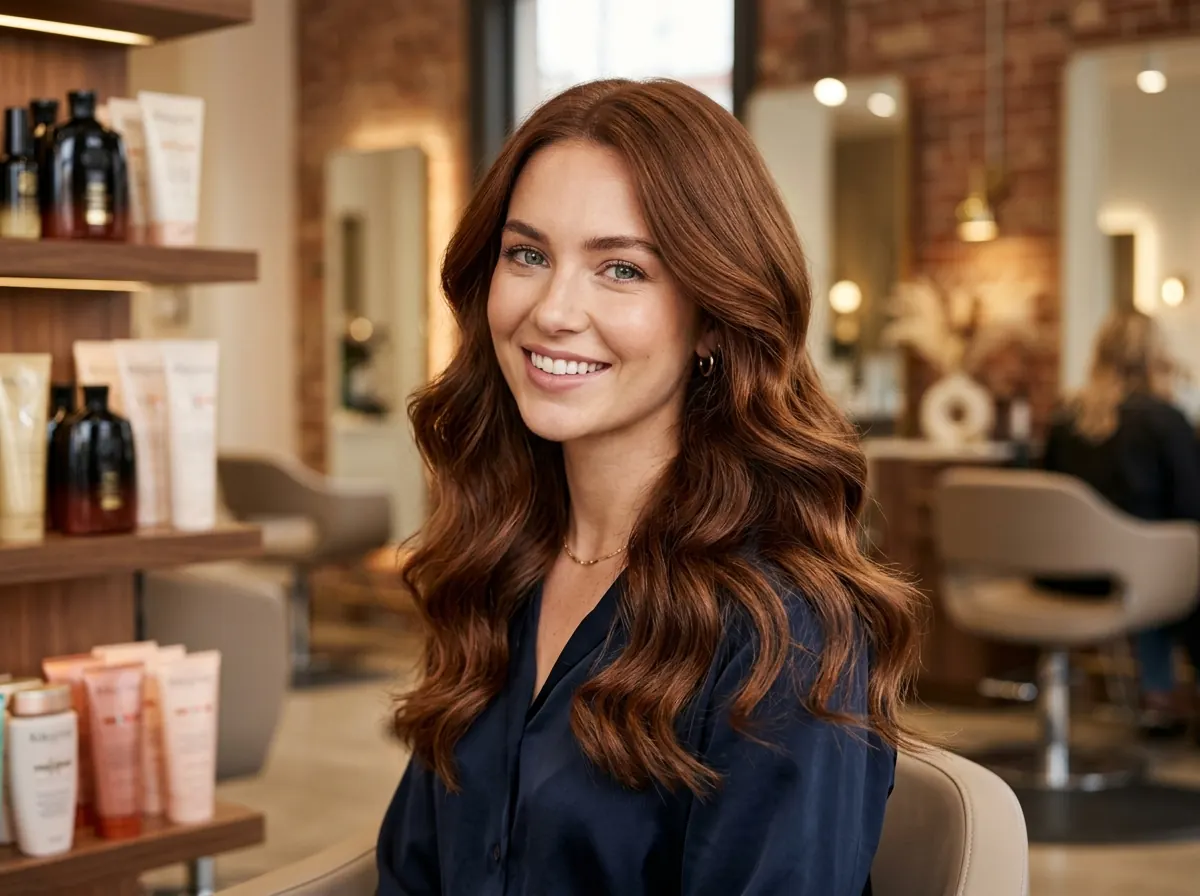
Fall Hair Color Trends 2026: 10 Shades to Try This Season
Fall hair color trends 2026 are already shifting away from last year’s cool, icy tones. This season leans warmer, richer, and a lot more forgiving for everyday wear. Touching up your natural color or going for a full change, these shades feel right for the months ahead. This guide walks through ten fall shades worth…
12 Egg Hair Masks for Repair and Healthy Hair
Dryness, breakage, frizz, and hair damage are common problems caused by heat styling, pollution, poor nutrition, and harsh products. Many girls struggle to restore softness and strength without spending money on expensive salon treatments. The good news is that one of the best natural hair repair treatments may already be in your kitchen: eggs. Eggs…

Emma
Hey there! Welcome to my blog. I love sharing practical tips, hidden secrets, and awesome hacks to help you live beautifully and smart. Stay tuned for more exciting updates!
Read More About Emma →