
How to Lose Weight: The Complete, Science Backed Guide
Written by Emma ·
If you’ve been searching for reliable advice on how to lose weight, you’re not alone. Millions of people around the world are looking for safe, effective, and sustainable ways to shed excess body fat and improve their health. The good news? Weight loss doesn’t require extreme diets or punishing exercise routines. What it does require is the right knowledge, a consistent plan, and realistic expectations. This guide covers everything from understanding calories and macros to managing weight loss with PCOS, hypothyroidism, menopause, pregnancy, and more.
Understanding How Weight Loss Works
At its most fundamental level, weight loss is a result of an energy deficit burning more calories than you consume. Your body stores excess energy as fat, and when you eat fewer calories than you expend, it draws on those fat reserves for fuel. However, weight loss is not purely a simple mathematical equation. Hormones, sleep quality, stress levels, gut health, and genetics all play significant roles in how your body gains and loses weight.
The key metric you need to understand is your maintenance calories: the number of calories your body needs to maintain its current weight. Once you know this number, you can create a controlled calorie deficit (typically 300–500 calories per day) to lose weight steadily and sustainably, without extreme restriction.
How Much Weight Can You Realistically Lose?
A healthy, sustainable rate of weight loss is 0.5 to 1 kg (1–2 lbs) per week. Faster weight loss is possible in the short term, especially if you carry a lot of excess weight, but rates beyond 1 kg/week usually involve muscle loss, nutrient deficiencies, and are difficult to maintain. Focus on consistency over speed slow, steady fat loss is far more permanent.
The Role of Calories and Diet
Your diet is the single most important factor in how to lose weight fast and sustainably. You cannot out-exercise a poor diet, that’s a scientific fact. The food choices you make determine not only how many calories you consume, but also how full you feel, how your hormones behave, and how efficiently your metabolism functions.
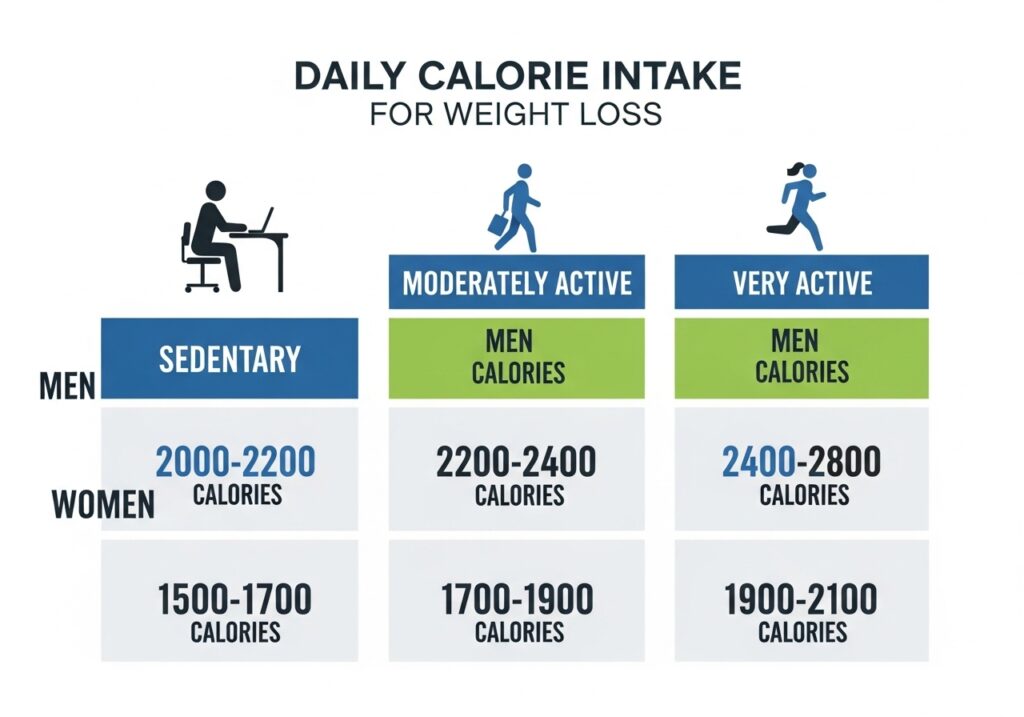
How Many Calories Should I Eat to Lose Weight?
The answer depends on your age, gender, height, weight, and activity level. As a general guide, most adults need to reduce their intake by 500 calories per day to lose roughly 0.5 kg per week.Below is a simplified reference table:
| Goal | Daily Calorie Intake (Women) | Daily Calorie Intake (Men) |
| Maintain Weight | 1,800 – 2,000 kcal | 2,200 – 2,500 kcal |
| Lose Weight (slow) | 1,400 – 1,600 kcal | 1,800 – 2,000 kcal |
| Lose Weight (moderate) | 1,200 – 1,400 kcal | 1,600 – 1,800 kcal |
| Not Recommended Below | 1,200 kcal | 1,500 kcal |

How Many Calories a Day to Lose Weight A Closer Look
When calculating how many calories a day to lose weight, the formula is: your maintenance calories minus 300–500 kcal = your weight loss calorie target. For example, if your maintenance is 2,000 kcal/day, a target of 1,500–1,700 kcal/day should produce steady fat loss. Never drop below 1,200 kcal (women) or 1,500 kcal (men) without medical supervision. Doing so can slow your metabolism and cause muscle loss.
How Much Protein Should I Eat to Lose Weight?
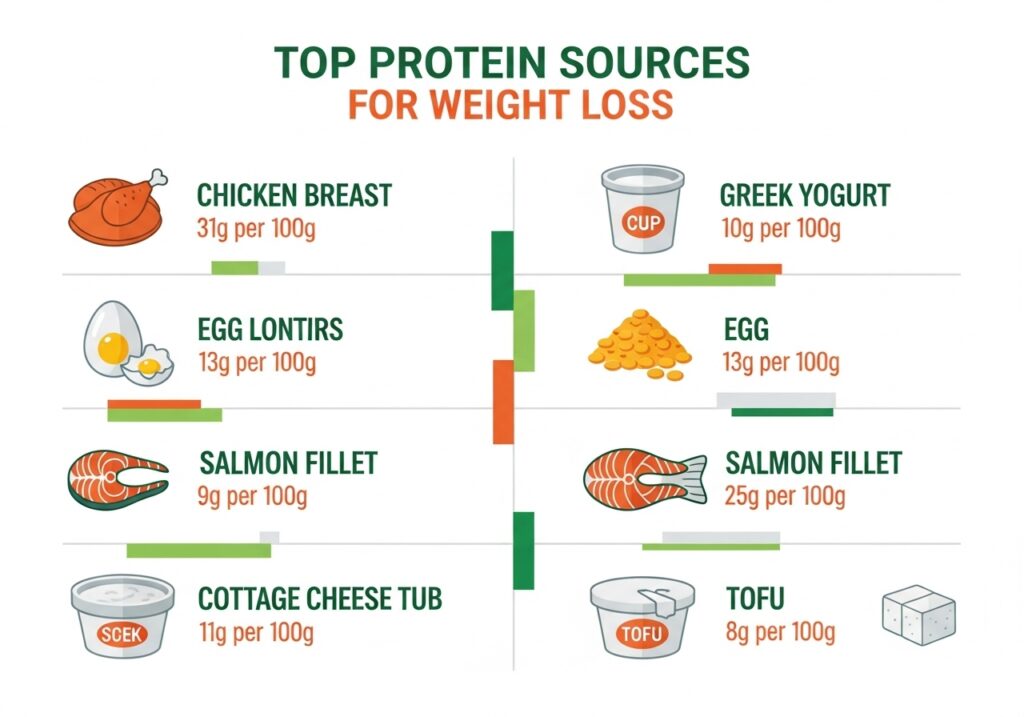
Protein is your best friend when it comes to weight loss. It keeps you full longer, preserves lean muscle mass, and requires more energy to digest than carbs or fat (the thermic effect of food). Aim for 1.6–2.2g of protein per kilogram of body weight. For a 70 kg person, that’s roughly 112–154g of protein per day.
Best Foods for Weight Loss
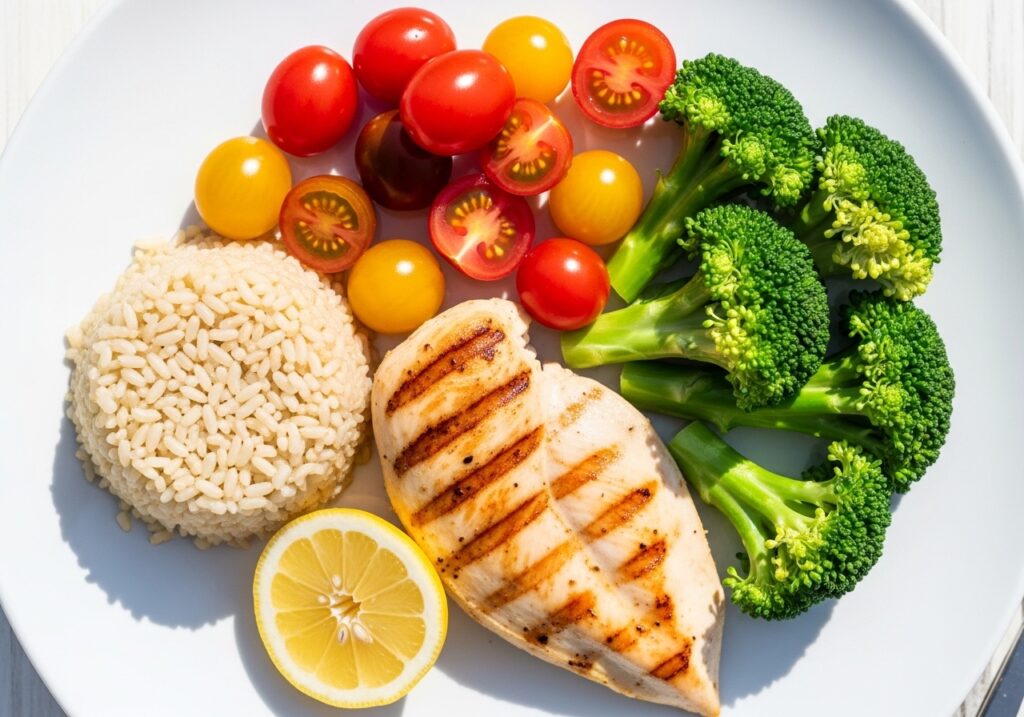
Fill your plate with these evidence based weight-loss-friendly foods:
- Lean proteins: chicken, turkey, fish, eggs, legumes, Greek yoghurt
- Non-starchy vegetables: spinach, broccoli, cauliflower, courgette, cucumber
- Whole grains: oats, quinoa, brown rice, whole wheat bread
- Healthy fats: avocado, olive oil, nuts (in moderation)
- Fruits: berries, apples, pears (lower in sugar, high in fibre)
Exercise and Physical Activity for Weight Loss
While diet controls the majority of your calorie balance, exercise accelerates weight loss, preserves muscle mass, improves mental health, and significantly lowers the risk of regaining weight. The best exercise is the one you’ll actually do consistently.
How Many Steps a Day to Lose Weight?
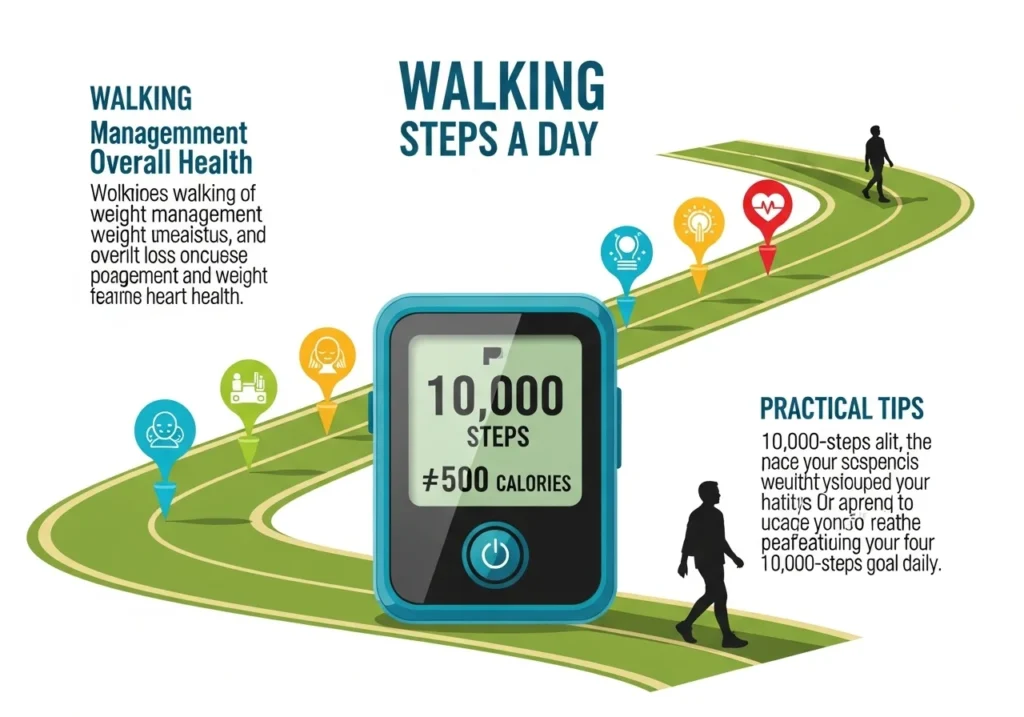
Walking is one of the most underrated weight loss tools. Research consistently shows that 10,000 steps a day burns an additional 300–400 calories for the average adult. However, even starting at 5,000 steps and gradually increasing is beneficial. Use a fitness tracker or phone app to monitor your daily step count.
Best Exercise Types for Weight Loss
| Exercise Type | Calories Burned (30 min) | Best For |
| Brisk Walking | 150–200 kcal | Beginners, daily movement |
| Running / Jogging | 280–400 kcal | Cardiovascular fitness |
| Cycling | 250–350 kcal | Low impact cardio |
| HIIT Training | 300–450 kcal | Time-efficient fat burn |
| Strength Training | 180–260 kcal | Muscle retention, metabolism |
| Swimming | 200–350 kcal | Full body, joint-friendly |
| Yoga / Pilates | 120–180 kcal | Flexibility, stress reduction |
How to Lose Fat and Gain Muscle Simultaneously
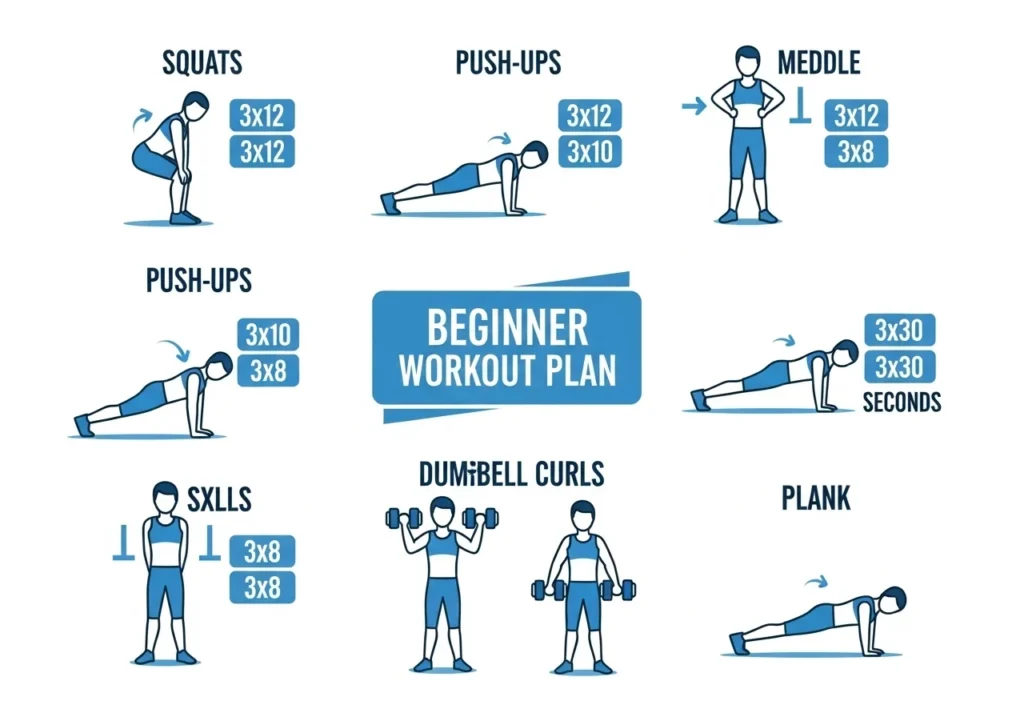
Often called body recomposition, the goal of how to lose fat and gain muscle at the same time is achievable, especially for beginners and those returning after a break. The key is: eat at a slight calorie deficit or maintenance, ensure high protein intake (1.8–2.2g/kg), and lift weights 3–4 times per week. Results are slower than bulking or cutting separately, but you end up leaner and stronger simultaneously.

Weight Loss for Special Conditions
Standard advice doesn’t always apply to everyone. Certain medical and physiological conditions require tailored approaches to weight loss. Here’s what the evidence says for the most common special cases.
How to Lose Weight with PCOS
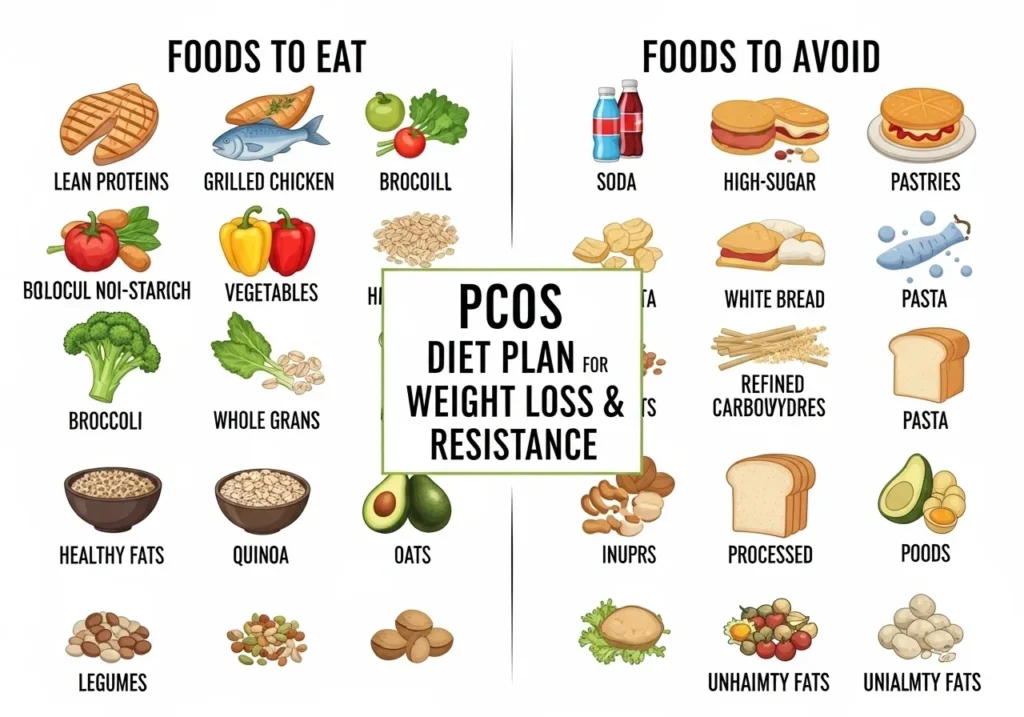
Polycystic Ovary Syndrome (PCOS) causes hormonal imbalances including elevated insulin and androgens, which promote fat storage especially around the abdomen. How to lose weight with PCOS requires a low-glycaemic diet, regular resistance training, and sometimes medication (such as metformin). Key strategies include:
- Prioritise low-GI foods (oats, legumes, non-starchy veg)
- Reduce refined carbohydrates and sugars
- Include strength training 3x per week to improve insulin sensitivity
- Consider inositol supplements (consult your doctor)
- Manage stress cortisol worsens PCOS symptoms
How to Lose Weight on Metformin
Metformin is commonly prescribed for type 2 diabetes and PCOS and can support weight loss by reducing appetite and improving insulin sensitivity. However, metformin alone won’t cause significant weight loss. How to lose weight fast on metformin still requires a calorie-controlled diet and regular exercise. Do not increase your dose expecting faster results always follow medical guidance. Side effects including nausea are common early on; taking it with food helps.
How to Lose Weight During Menopause
The hormonal shifts of menopause particularly the decline in oestrogen promote fat storage around the belly and slow the metabolic rate. How to lose weight during menopause requires adjusting calorie intake downward, increasing protein, and focusing on strength training to counter muscle loss. Prioritise sleep (poor sleep dramatically worsens menopausal weight gain), manage stress, and speak to your GP about HRT options if appropriate.
How to Lose Weight with Hypothyroidism
An underactive thyroid slows down your metabolism, making weight loss with hypothyroidism more challenging. The priority is always ensuring your thyroid medication (typically levothyroxine) is optimally dosed. Once thyroid levels are controlled, standard weight loss approaches apply though results may be slower. Avoid very low-calorie diets as they can further suppress thyroid function. Focus on consistent activity, adequate protein, and minimising processed foods.

How to Lose Weight While Pregnant
Weight loss is generally not recommended during pregnancy unless specifically directed by a doctor in cases of severe obesity. The goal during pregnancy is healthy weight management gaining within the recommended range for your pre-pregnancy BMI. Focus on nutrient-dense foods, stay moderately active (walking, prenatal yoga), avoid empty calories, and never follow a restrictive diet during pregnancy. Always consult your midwife or OB-GYN.
How to Lose Weight While Breastfeeding
Breastfeeding burns an extra 300–500 calories per day, which can naturally support weight loss while breastfeeding. However, it’s important not to drop below 1,800 calories per day to maintain milk supply and energy. Aim for gradual loss of no more than 0.5 kg per week. Focus on whole, nutritious foods, stay hydrated, and avoid skipping meals.
Quick and Natural Weight Loss Strategies
Looking to understand how to lose weight fast naturally and permanently? The truth is, sustainable strategies tend to produce the best long-term results. Here are some of the most effective natural methods:
How to Lose Weight Fast Without Exercise
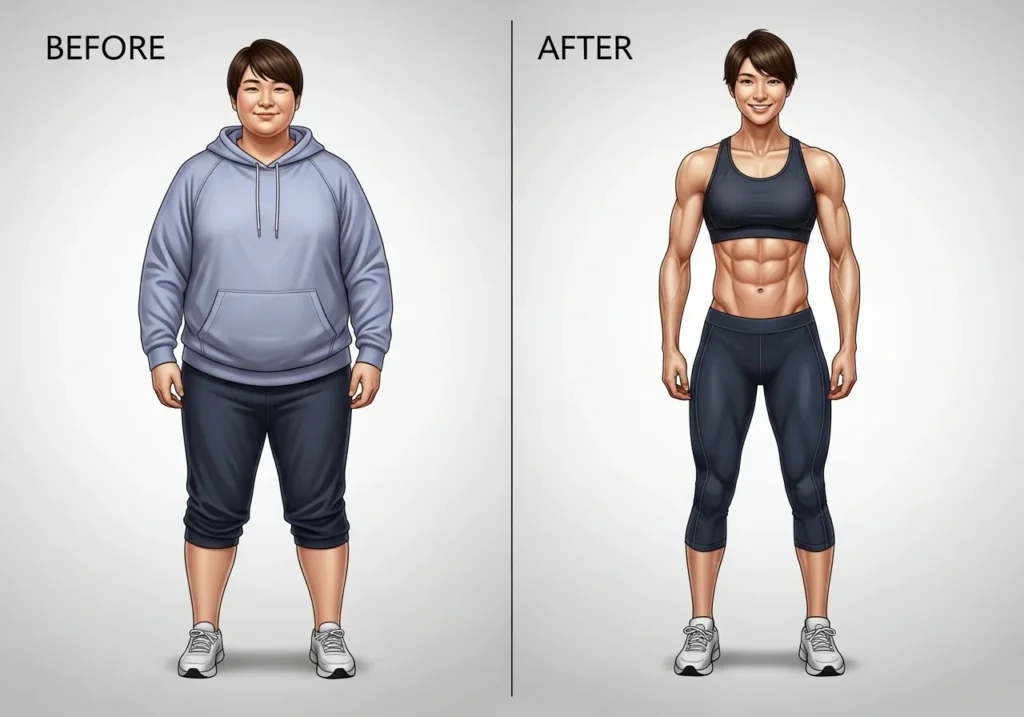
While exercise is ideal, it is possible to lose weight without exercise through dietary changes alone. Here’s how:
- Track your calories using an app like MyFitnessPal or Cronometer
- Eat more protein to reduce hunger (eggs, chicken, Greek yoghurt)
- Eliminate liquid calories avoid sugary drinks, alcohol, juices
- Eat slowly and mindfully it takes 20 minutes for your brain to register fullness
- Use smaller plates to naturally reduce portion sizes
- Sleep 7 to 9 hours per night sleep deprivation increases hunger hormones
- Reduce ultra-processed foods and increase whole foods
- Increase NEAT (non-exercise activity) stand more, take stairs, fidget
How to Lose Water Weight
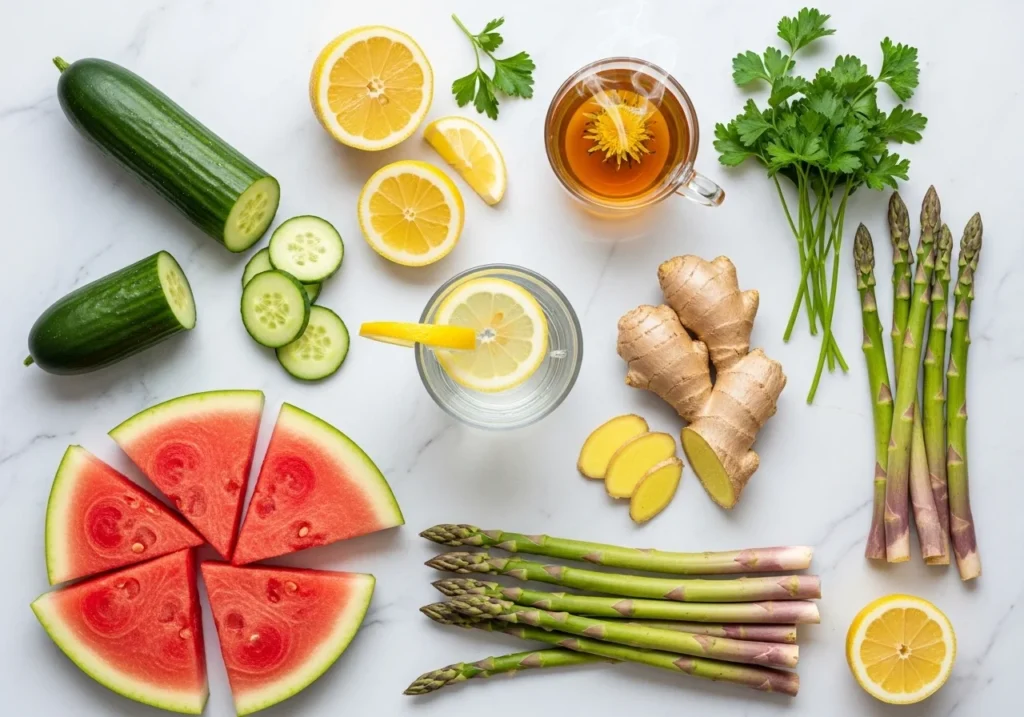
Bloating from water retention can make you feel heavier than you are. To reduce water weight quickly and safely:
- Reduce sodium intake excess salt causes your body to hold water
- Drink more water paradoxically, hydration reduces water retention
- Cut refined carbs temporarily carbs are stored with water in glycogen
- Increase potassium-rich foods (bananas, sweet potatoes, leafy greens)
- Exercise and sweat regularly
- Try dandelion root tea or magnesium supplements (consult a doctor first)

How to Track Your Progress
Tracking is one of the most evidence-backed strategies for successful weight loss. People who monitor their food intake, exercise, and weight are significantly more likely to reach their goals and maintain them long-term.
Using a Calorie Calculator
A calorie calculator uses your age, height, weight, gender, and activity level to estimate your Total Daily Energy Expenditure (TDEE). This is your maintenance calories the base from which you calculate your deficit.
Tracking Steps and Activity
Research suggests that people who track their steps take more of them. Aim for 10,000 steps a day as a baseline goal, but know that even 7,000–8,000 steps is associated with significantly lower mortality risk. Use a smartwatch, fitness tracker, or free phone apps like Google Fit or Apple Health.
Monitoring Protein and Water Intake
Don’t just track calories track how much protein you eat to lose weight as well. Apps like Cronometer let you see macros in detail. Also track water intake: drinking 500ml before meals has been shown in studies to reduce calorie intake by up to 13%. Aim for at least 2–3 litres of water per day when trying to lose weight.
Weighing Yourself: Best Practices
Don’t obsess over daily fluctuations weight can vary by 1 to 3 kg day to day due to water, food, and hormonal changes. Instead:
- Weigh yourself once a week, first thing in the morning after using the toilet
- Use the same scale in the same conditions each time
- Track a weekly average over 4 weeks to see your true trend
- Take body measurements (waist, hips, thighs) and progress photos monthly
Sample 7-Day Beginner Meal Plan
Here’s a simple, practical meal plan to help you get started on your weight loss journey. Calorie estimates are approximate. Don’t miss our list of healthy snacks for weight loss to keep your diet on track.
| Day | Breakfast | Lunch | Dinner | Approx. Calories |
| Monday | Overnight oats + berries | Chicken salad wrap | Grilled salmon + veg | ~1,500 kcal |
| Tuesday | Scrambled eggs on rye toast | Lentil soup + wholegrain roll | Turkey stir-fry + brown rice | ~1,520 kcal |
| Wednesday | Greek yoghurt + flaxseeds | Tuna & avocado salad | Chicken & sweet potato | ~1,480 kcal |
| Thursday | Smoothie: spinach, banana, protein | Vegetable omelette | Prawn & courgette pasta | ~1,510 kcal |
| Friday | Porridge + walnuts + apple | Chicken & quinoa bowl | Baked cod + roasted veg | ~1,500 kcal |
| Saturday | Poached eggs + avocado toast | Hummus & veggie wrap | Beef stir-fry + noodles | ~1,550 kcal |
| Sunday | Boiled eggs + fruit salad | Lentil & tomato curry | Roast chicken + greens | ~1,490 kcal |
This plan averages around 1,500 calories per day with high protein and fibre.
Common Weight Loss Mistakes to Avoid
Even with the best intentions, many people unknowingly sabotage their weight loss efforts. Here are the most common mistakes and how to avoid them:
- Eating too little: Severe restriction slows your metabolism, increases muscle loss, and is unsustainable. Stick to modest deficits.
- Skipping protein: Without adequate protein, weight loss comes from muscle, not fat leaving you weaker and more likely to regain.
- Overestimating calories burned: Fitness trackers often overestimate burn by 20 to 30%. Don’t eat back all your exercise calories.
- Relying on the scale only: Weight fluctuates. Use multiple measurements: scale, photos, tape measure, and how clothes fit.
- All-or-nothing thinking: One bad meal doesn’t ruin progress. Consistency over months matters far more than perfection on any given day.
- Cutting out entire food groups: Unless medically necessary, this is unnecessary and can cause nutrient deficiencies.
- Neglecting sleep and stress: Poor sleep raises ghrelin (hunger hormone) and cortisol (fat-storing hormone). Prioritise 7–9 hours of sleep.
- Not drinking enough water: Thirst is often mistaken for hunger. Drinking enough water supports metabolism and appetite control.
Conclusion: Your Weight Loss Journey Starts Now
Learning how to lose weight effectively is not about following the most extreme plan. It’s about finding a sustainable approach that fits your life, health, and goals.
- Start by understanding your maintenance calories and creating a modest deficit.
- Build a diet rich in protein, vegetables, and whole foods.
- Move your body daily even just walking counts.
- And if you have a special condition like PCOS, hypothyroidism, or are going through menopause, tailor your approach with the support of a healthcare professional.
Remember: weight loss is a marathon, not a sprint. The habits you build over months are far more powerful than the plan you follow for two weeks. Be patient with yourself, celebrate non-scale victories, and trust the process.
Frequently Asked Questions (FAQs)
How many calories should I eat to lose weight?
Most adults need to reduce daily intake by 300–500 calories below their maintenance calories. Use a calorie calculator for a personalised number. Generally, women should not go below 1,200 kcal/day and men below 1,500 kcal/day.
How many steps a day do I need to lose weight?
Aiming for 10,000 steps a day is a popular and achievable target that burns an extra 300–400 calories. Even 7,000 steps is significantly beneficial. The key is increasing your current baseline over time.
Can I lose weight without exercising?
Yes. How to lose weight without exercise is possible through calorie control alone. Diet accounts for roughly 80% of weight loss. However, exercise improves body composition, health, mood, and long-term maintenance.
How do I lose weight fast and naturally?
The most effective natural weight loss approach combines a calorie-controlled whole-food diet, daily movement (even just walking), good sleep, stress management, and adequate hydration. Avoid fad diets they produce quick results that don’t last.
How much protein should I eat to lose weight?
Aim for 1.6–2.2g of protein per kg of body weight daily. For most people, this means 100–150g of protein per day. High protein intake preserves muscle, reduces appetite, and boosts metabolism slightly.
Is it safe to lose weight while pregnant?
Intentional weight loss during pregnancy is not recommended and can be harmful to the baby. Focus on healthy eating and appropriate weight gain for your pre-pregnancy BMI. Speak to your doctor or midwife.
Why is weight loss harder during menopause?
The hormonal shift during menopause especially reduced oestrogen causes fat to redistribute to the abdomen and slows metabolism. Weight loss during menopause requires extra attention to strength training, protein intake, and sleep quality.
How do I lose water weight quickly?
To lose water weight: reduce sodium, increase water intake, cut refined carbs temporarily, exercise regularly, and eat more potassium-rich foods. Most water weight drops within a few days.