
Dandruff Treatment at Home: Natural Remedies That Actually Work
Written by Emma ·
White flakes on your shoulders. An itchy scalp that just won’t quit. Sound familiar?
Dandruff is one of the most common scalp conditions in the world and the good news is, you don’t need expensive salon treatments or medicated shampoos to get rid of it. The best dandruff treatment at home uses simple, natural ingredients you probably already have in your kitchen.
In this guide, we’re covering everything: what causes dandruff, the most effective home remedies, a scalp care routine, and tips to prevent it from coming back.
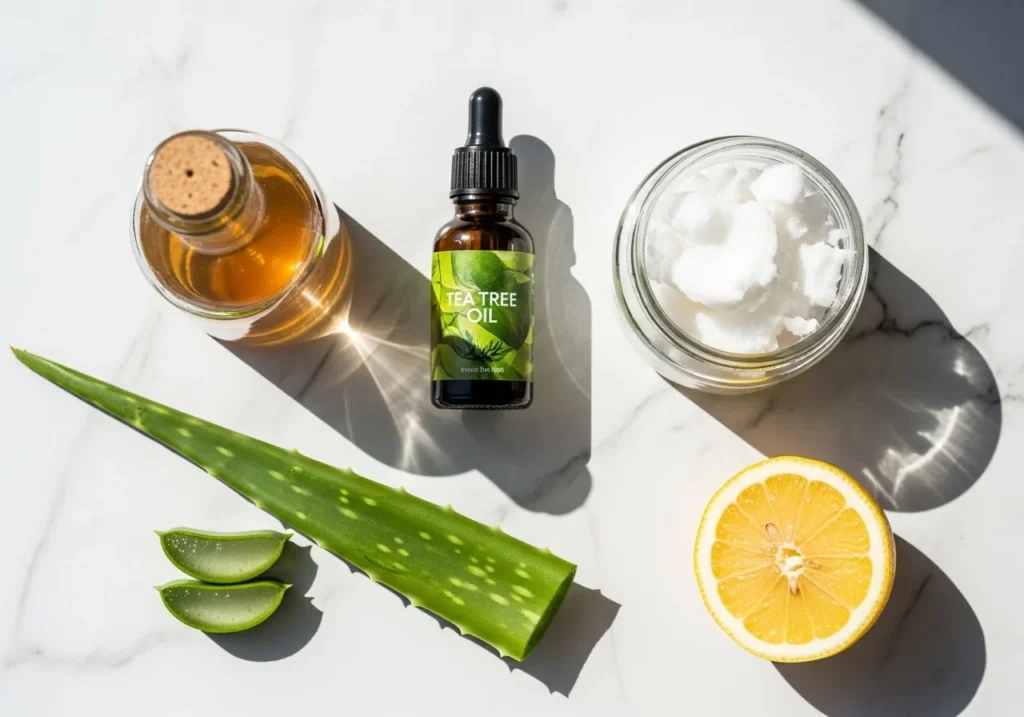
What Causes Dandruff? (And Why It Keeps Coming Back)
Before you treat dandruff, it helps to understand what’s actually causing it.
Dandruff is most often caused by a naturally occurring fungus called Malassezia. It feeds on scalp oils and triggers an inflammatory response, causing skin cells to shed faster than normal — hello, flakes.
Other common causes include:
- Dry scalp especially in cold weather or low humidity
- Oily scalp excess sebum feeds the fungus
- Product buildup dry shampoos, styling gels, and heavy conditioners
- Stress yes, emotional stress can trigger or worsen dandruff
- Poor diet lack of zinc, B vitamins, and healthy fats
- Infrequent shampooing oil and dead skin cells accumulate
Understanding your trigger is the first step to getting lasting relief with home remedies for dandruff.
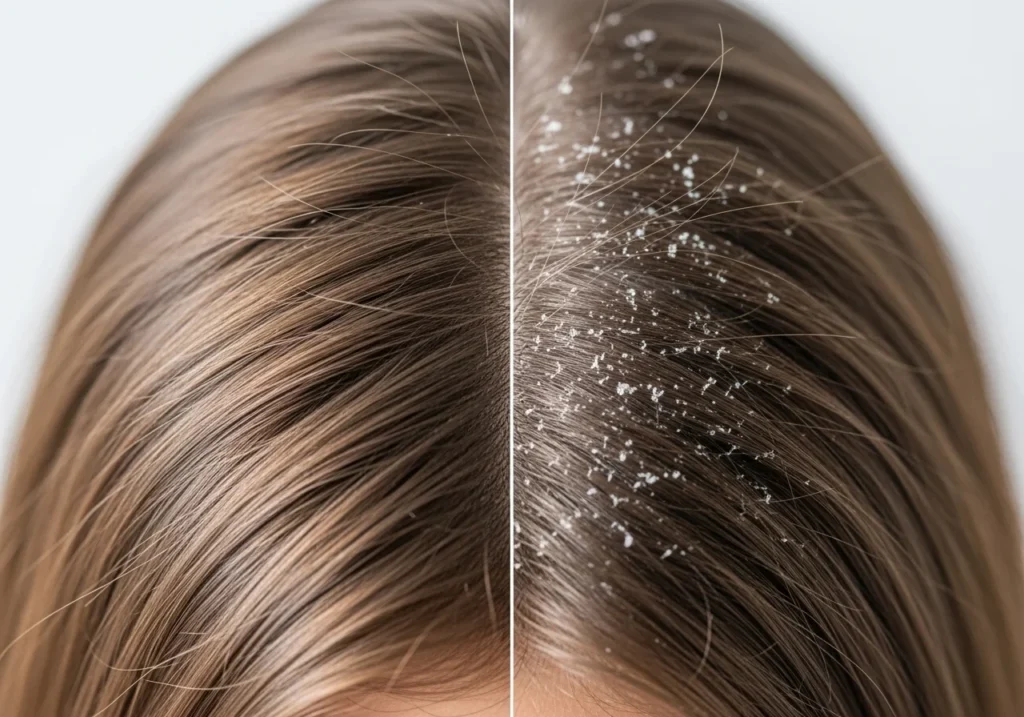
Best Dandruff Treatment at Home: Top 10 Natural Remedies
These are the most effective, research-supported home treatments for dandruff tried, tested, and beloved by millions.
1. Tea Tree Oil The Antifungal Powerhouse
Tea tree oil is one of the most clinically studied natural dandruff treatments. It has strong antifungal and antibacterial properties that directly target the Malassezia fungus responsible for dandruff.
How to use: Add 5–7 drops of tea tree oil to 2 tablespoons of coconut oil. Massage into the scalp, leave for 30 minutes, then wash out.
Frequency: 2–3 times per week.
Best for: Oily dandruff, itchy scalp, fungal-related flaking
2. Apple Cider Vinegar The pH Restorer
ACV is slightly acidic, which helps restore the scalp’s natural pH balance. This makes the environment less favorable for the dandruff-causing fungus to thrive.
How to use: Mix equal parts ACV and water. Apply to the scalp, massage gently, leave for 15–20 minutes, then rinse thoroughly.
Frequency: Once or twice per week.
Best for: Oily scalp, product buildup, pH imbalance
3. Coconut Oil The Deep Moisture Treatment
Coconut oil is a staple in dandruff home treatment because of its antifungal and deeply moisturizing properties. It soothes dry, irritated scalps and reduces the itching that comes with dandruff.
How to use: Warm 2–3 tablespoons of pure coconut oil and massage into the scalp. Leave overnight and wash out in the morning.
Frequency: 1–2 times per week.
Best for: Dry scalp dandruff, flaking, scalp irritation
4. Aloe Vera The Soothing Scalp Healer
Fresh aloe vera gel contains enzymes, antifungal compounds, and anti-inflammatory properties that calm an irritated, flaky scalp almost immediately.
How to use: Apply fresh aloe vera gel directly to the scalp. Leave on for 30 minutes, then shampoo as usual.
Frequency: 2–3 times per week.
Best for: Sensitive scalp, redness, inflammation
5. Baking Soda The Gentle Exfoliator
Baking soda acts as a mild exfoliant that removes dead skin cells, excess oil, and product buildup from the scalp. It also has antifungal properties.
How to use: Mix 1 tablespoon of baking soda with a little water to form a paste. Massage into a wet scalp, leave for 2–3 minutes, then rinse well.
Frequency: Once per week don’t overdo it, as it can dry the scalp.
Best for: Oily scalp, heavy product buildup, mild fungal dandruff
6. Neem Oil The Ancient Antifungal
Neem has been used in Ayurvedic hair care for centuries and for good reason. It contains nimbidin and nimbin, compounds with potent antifungal, antibacterial, and anti-inflammatory effects.
How to use: Mix 2 tablespoons of neem oil with a carrier oil (coconut or jojoba). Massage into the scalp, leave for 30–60 minutes, then wash out thoroughly.
Frequency: 2 times per week.
Best for: Stubborn dandruff, scalp infections, itchy inflamed scalp
7. Lemon Juice The Acidic Scalp Clarifier
Lemon juice’s natural acidity helps regulate scalp pH, reduce oiliness, and fight the fungus that causes dandruff.
How to use: Apply fresh lemon juice to the scalp, massage gently, leave for 5–10 minutes, then rinse with cool water.
Frequency: Once per week.
Best for: Oily scalp dandruff, scalp odor, mild fungal flaking
Note: Avoid going out in the sun after applying lemon juice to your scalp it can cause photosensitivity.
8. Yogurt & Honey Mask The Probiotic Treatment
Plain yogurt contains lactic acid that gently exfoliates the scalp, while honey is a natural humectant and antimicrobial agent. Together, they make a powerful dandruff-fighting mask.
How to use: Mix 3 tablespoons of plain yogurt with 1 tablespoon of honey. Apply to scalp and hair, leave for 20–30 minutes, then rinse and shampoo.
Frequency: Once per week.
Best for: Dry scalp, mild dandruff, dull hair
9. Rosemary Oil The Scalp Stimulator
Beyond being great for hair growth, rosemary oil also has antifungal and anti-inflammatory properties that make it effective for managing dandruff and scalp irritation.
How to use: Add 4–5 drops of rosemary essential oil to 1 tablespoon of a carrier oil. Massage into the scalp for 5–10 minutes, leave for 30 minutes, then rinse.
Frequency: 2–3 times per week.
Best for: Dandruff with hair thinning, scalp inflammation, oily scalp
10. Onion Juice The Sulfur Treatment
Not the most glamorous option but onion juice is packed with sulfur and antimicrobial compounds that fight dandruff-causing fungi and nourish the scalp.
How to use: Blend one onion, strain the juice, and apply directly to the scalp. Leave for 30 minutes, then shampoo thoroughly with a scented shampoo.
Frequency: Once per week.
Best for: Stubborn dandruff, weak hair follicles, oily scalp
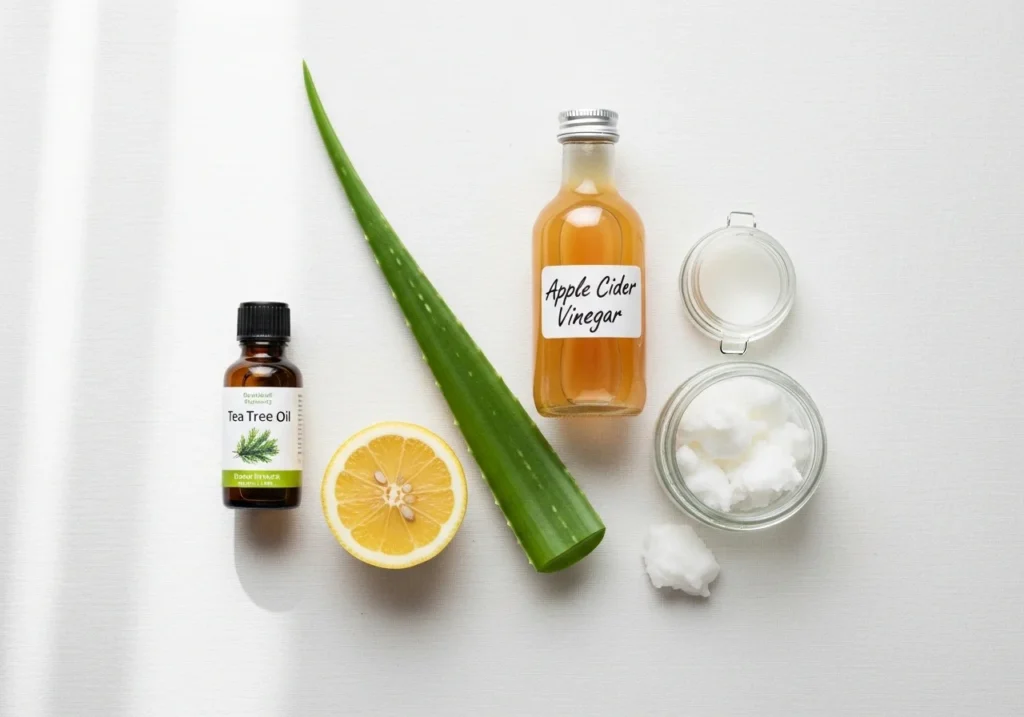
Dandruff Treatment at Home for Dry Scalp
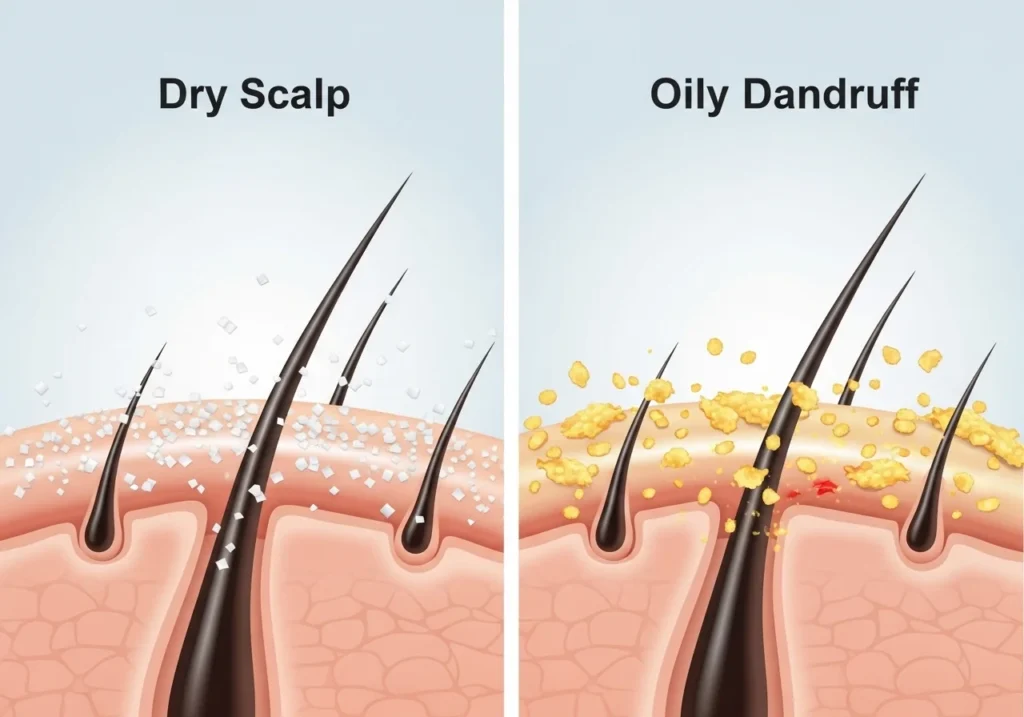
Dry scalp dandruff looks different from oily dandruff the flakes are smaller and whiter, and your scalp feels tight and itchy rather than greasy.
The best dandruff treatment at home for dry scalp focuses on deep hydration:
- Coconut oil overnight mask the most effective moisturizer for dry scalp
- Aloe vera gel instantly soothes and hydrates
- Yogurt and honey mask lactic acid + moisture = flake relief
- Jojoba oil mimics natural scalp oils to rebalance moisture levels
- Avoid hot water always rinse hair with cool or lukewarm water
Avoid harsh shampoos with sulfates, which strip the scalp of its natural moisture barrier and make dry dandruff worse.
How to Get Rid of Dandruff Fast at Home
Need faster results? Here’s what works quickly for how to get rid of dandruff fast at home:
- Tea tree oil + coconut oil mask apply overnight and wash out in the morning
- Apple cider vinegar rinse use right before your shampoo wash
- Aspirin paste crush 2 aspirin tablets, mix with shampoo, apply to scalp for 2 minutes (aspirin contains salicylic acid same ingredient in anti-dandruff shampoos)
- Cold water rinse always finish your shower with cool water to close the scalp cuticle
- Switch your shampoo use a zinc pyrithione or ketoconazole shampoo temporarily while doing home treatments
Most people see visible improvement within 3–5 days of consistent treatment.
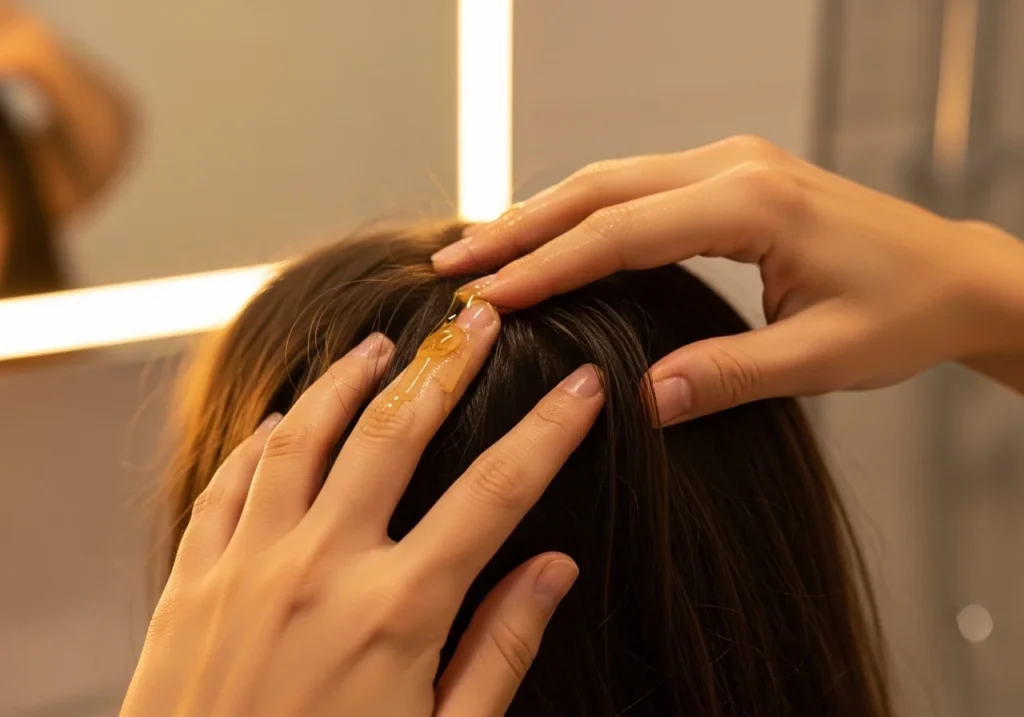
Best Anti-Dandruff Home Routine (Step by Step)
Consistency beats everything. Here’s a simple weekly scalp care routine that combines the best home remedies for dandruff:
Day 1 (Treatment Night)
- Apply tea tree oil + coconut oil mask to scalp
- Leave overnight or for minimum 1 hour
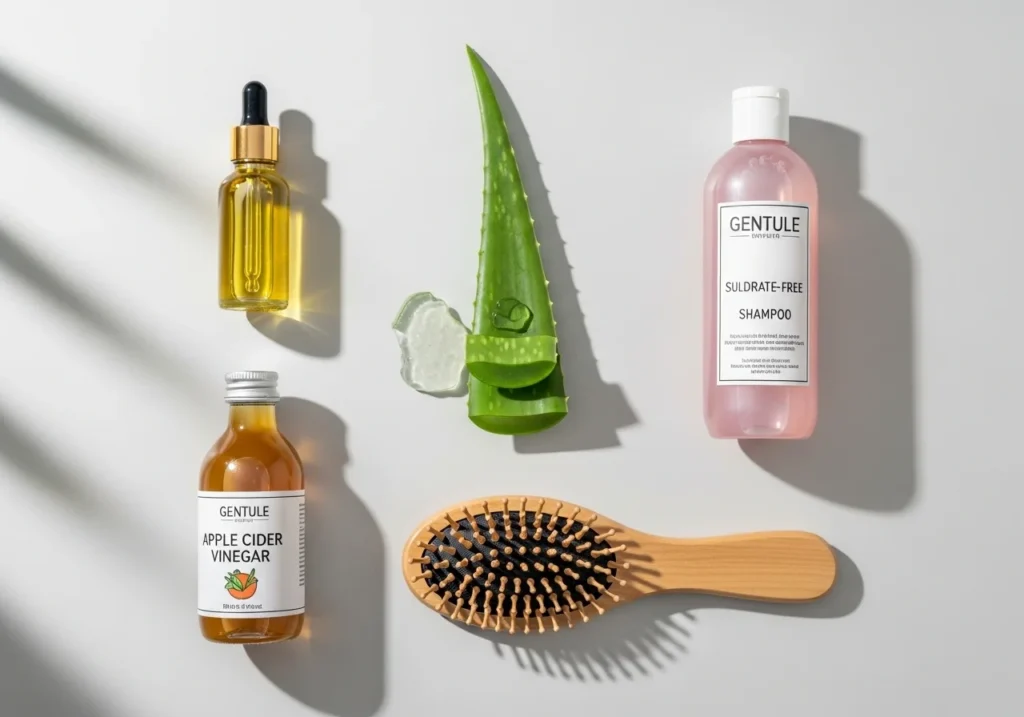
- Wash with a gentle, sulfate-free shampoo
- Finish with a cool water rinse
Day 3 (Mid-Week Refresh)
- Apply diluted apple cider vinegar to scalp
- Leave for 15 minutes, then rinse
- Shampoo as normal
Day 5 (Deep Conditioning)
- Apply aloe vera gel to scalp for 30 minutes
- Follow with a yogurt + honey mask on hair lengths
- Wash and condition as normal
Daily Habits
- Brush hair gently every day to remove dead skin buildup
- Wash pillowcases at least once a week
- Drink enough water dehydration affects scalp health
- Manage stress through exercise, sleep, and relaxation
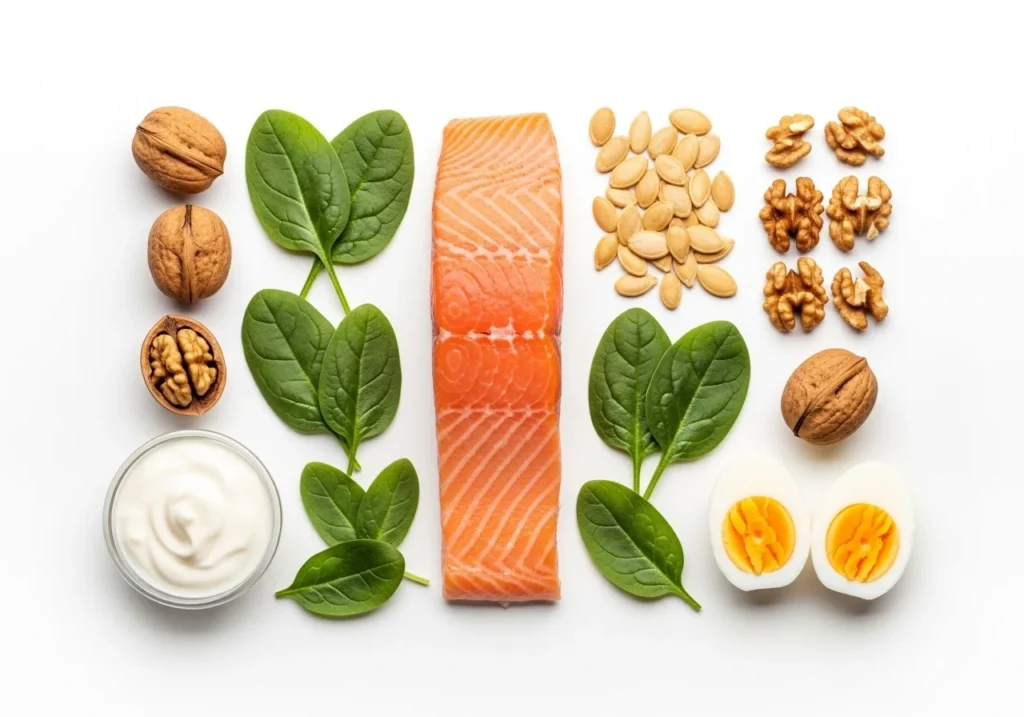
Foods That Help Fight Dandruff From the Inside
What you eat matters for your scalp. These nutrients directly support scalp health and help prevent dandruff:
- Zinc found in pumpkin seeds, chickpeas, and meat; reduces the Malassezia fungus
- Omega-3 fatty acids found in salmon, walnuts, and flaxseed; reduces scalp inflammation
- B vitamins (especially B7/Biotin) found in eggs, nuts, and whole grains; supports healthy cell turnover
- Probiotics found in yogurt, kefir, and fermented foods; balances gut and skin microbiome
- Vitamin E found in almonds and spinach; antioxidant protection for scalp skin
- Selenium found in Brazil nuts and sunflower seeds; antifungal mineral
Avoid excess sugar, fried foods, and alcohol they can worsen inflammation and feed the dandruff fungus.
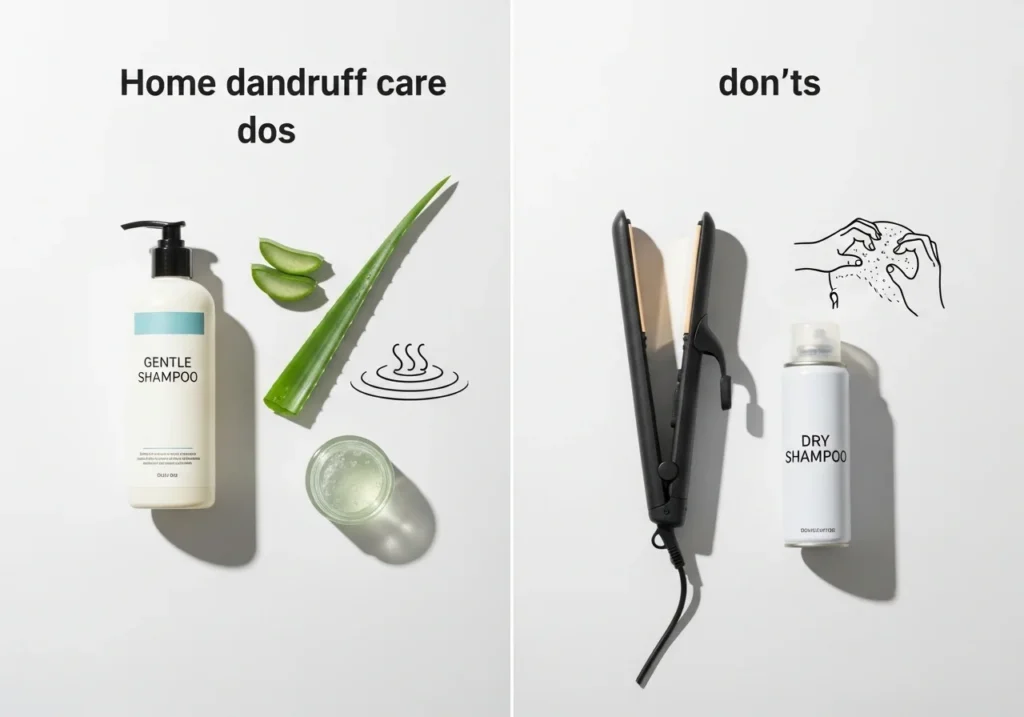
What to Avoid When Treating Dandruff at Home
Even the best remedies won’t work if you’re doing these things:
- Over-washing your hair strips natural oils, worsens dry dandruff
- Using hot water inflames the scalp and increases flaking
- Heavy styling products dry shampoos, gels, and waxes cause buildup
- Scratching your scalp spreads the fungus and causes micro-wounds
- Skipping conditioner dry, brittle hair is more prone to flaking
- Stress cortisol spikes disrupt the skin barrier; manage it actively
Conclusion
Dandruff doesn’t have to control your life or your wardrobe choices. With the right dandruff treatment at home, you can get real, lasting relief without harsh chemicals or expensive products.
Start with one or two remedies from this list, build a simple weekly scalp routine, and give it at least 2–3 weeks of consistency. Eat well, manage stress, and be gentle with your scalp.
Flake-free days are closer than you think.
Dandruff Treatment at Home
Q1: What is the fastest home remedy for dandruff?
The fastest results come from a tea tree oil and coconut oil scalp mask applied overnight, combined with an apple cider vinegar rinse before shampooing. Most people see visible reduction in flaking within 3–5 days of consistent use.
Q2: Can dandruff be permanently cured at home?
Dandruff is a chronic condition for many people, but it can be effectively controlled with regular home care. Consistent use of antifungal remedies like tea tree oil or neem, combined with a healthy scalp routine, can keep dandruff away long-term. If it persists, a dermatologist can rule out conditions like seborrheic dermatitis or psoriasis.
Q3: Is apple cider vinegar safe for dandruff treatment?
Yes, when properly diluted. Always mix ACV with equal parts water before applying to the scalp. Undiluted ACV can irritate or even burn sensitive skin. Never apply it to broken or irritated scalp skin.
Q4: How often should I wash my hair if I have dandruff?
For most people, washing 2–3 times per week is ideal. Washing too often strips natural scalp oils; washing too infrequently allows oil and dead skin buildup. Use a gentle, sulfate-free shampoo and always follow with a lightweight conditioner on the hair lengths.
Q5: What foods should I avoid to reduce dandruff?
Reduce or avoid refined sugar, fried foods, processed snacks, and alcohol. These can increase inflammation, trigger hormonal imbalances, and create an environment where the dandruff-causing fungus thrives. Focus instead on zinc, omega-3s, probiotics, and B vitamins for a healthier scalp from within.
Related Articles
Explore more topics in this category

Fall Hair Color Trends 2026: 10 Shades to Try This Season
Fall hair color trends 2026 are already shifting away from last year’s cool, icy tones. This season leans warmer, richer, and a lot more forgiving for everyday wear. Touching up your natural color or going for a full change, these shades feel right for the months ahead. This guide walks through ten fall shades worth…
12 Egg Hair Masks for Repair and Healthy Hair
Dryness, breakage, frizz, and hair damage are common problems caused by heat styling, pollution, poor nutrition, and harsh products. Many girls struggle to restore softness and strength without spending money on expensive salon treatments. The good news is that one of the best natural hair repair treatments may already be in your kitchen: eggs. Eggs…

12 Natural Ways to Grow Hair Faster Naturally
Healthy, long, and thick hair is something many people want, but slow hair growth and hair fall often make it difficult to achieve. Factors like poor diet, stress, heat styling, and lack of proper care can weaken your hair and slow down its natural growth process. The good news is that you do not need…

Emma
Hey there! Welcome to my blog. I love sharing practical tips, hidden secrets, and awesome hacks to help you live beautifully and smart. Stay tuned for more exciting updates!
Read More About Emma →