
Long Layered Haircut: Women’s Complete Style Guide
Written by Emma ·
A long layered haircut is one of the most flattering and versatile styles a woman can choose. Layers remove bulk, add natural movement, and give your hair a shape that flat, one-length cuts simply cannot achieve. Whether your hair is thick, thin, straight, wavy, or curly, the right layers will completely transform how your hair looks and feels every single day.
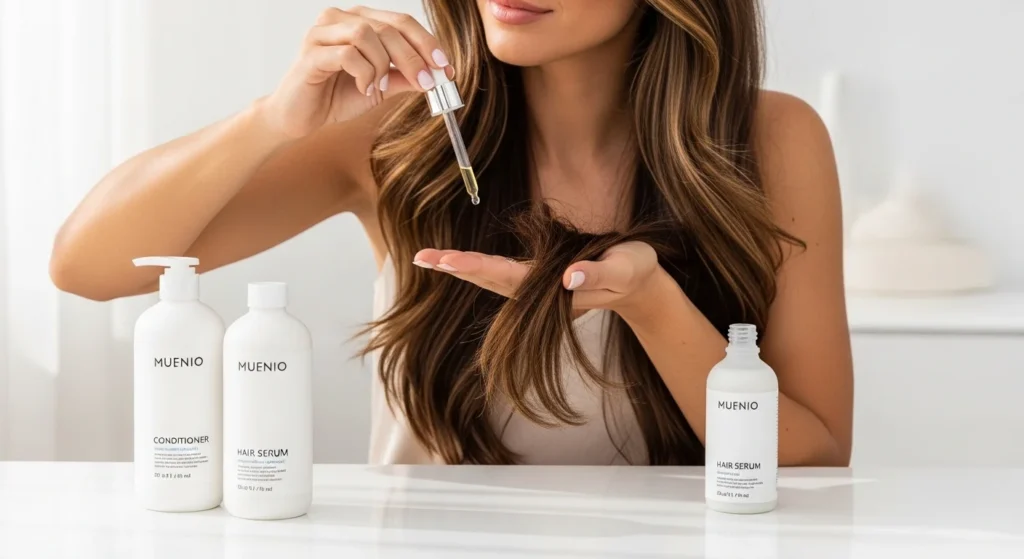
For styling tips, maintenance advice, and expert guidance on choosing the best layers for your hair type, Her Beauty Hacks covers everything you need, from face shape matching to at-home upkeep, all in one place.
What Is a Long Layered Haircut and How Does It Work?
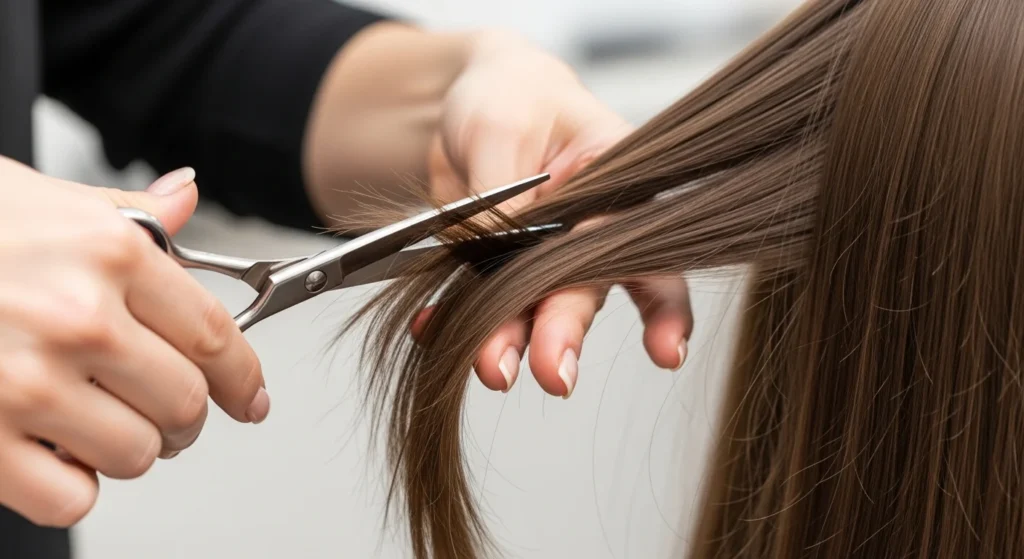
A long layered haircut is a cut where the hair is trimmed at different lengths rather than all at one uniform level. The shortest layers typically frame the face or sit at the crown, while the longest layers fall at the ends. This graduated effect creates dimension and movement throughout the hair.
Unlike a blunt cut, which keeps all the hair the same length, layers work with your hair’s natural texture. They reduce weight so hair moves freely, and they allow waves or curls to form their natural pattern without being dragged down by excess bulk.
Adding layers to long hair is one of the most effective ways to refresh a style without losing significant length. Most hairstylists customise the placement and depth of layers based on your hair type, thickness, and the look you want to achieve.
Long Layered Haircut Benefits for Your Hair
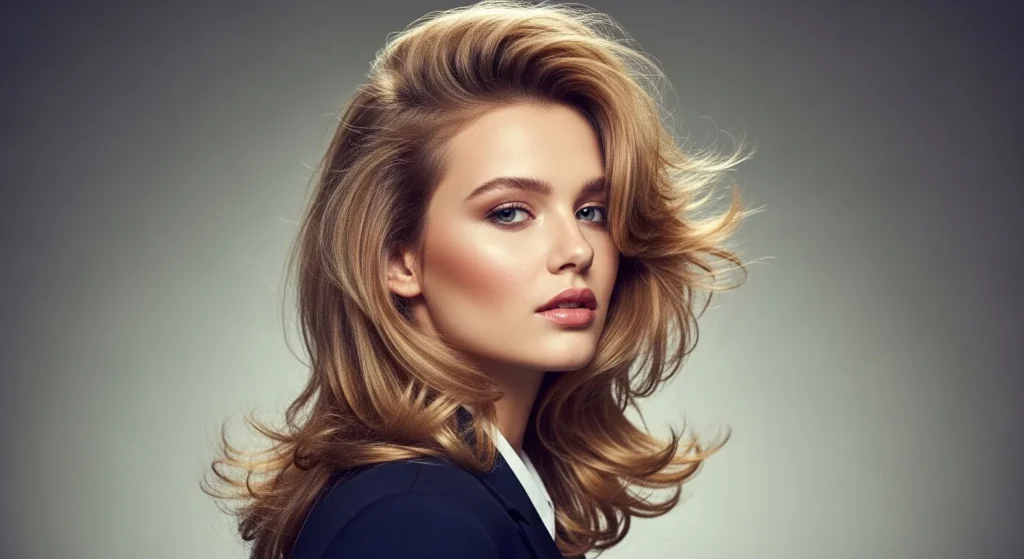
The long layered haircut goes well beyond simply looking stylish. This single cut addresses multiple hair concerns at once, making it one of the most practical and popular choices in salons today.
- Adds volume and body: Layers remove weight from the mid-lengths and ends, allowing hair to lift and move with natural bounce.
- Enhances natural texture: Waves and curls spring up more freely when heavy bulk is removed, giving a more defined and lively finish.
- Creates face-framing shape: Strategic layers around the face soften features and highlight your bone structure naturally.
- Reduces styling time: Lighter, shaped hair is easier to blow dry, curl, or straighten because there is less bulk to work through.
- Suits all hair types: Whether fine, thick, straight, or curly, layers can be adapted to work beautifully with any texture.
- Keeps length while adding shape: You retain the length you love while gaining a style that actually looks and feels polished.
Long Layered Haircut Styles: How to Choose the Right One
Choosing the right type of layers makes a real difference to your final result. Apply the wrong technique, and layers can make fine hair look stringy or give thick hair an uneven, shapeless finish.
- Start by telling your stylist your hair type, whether it is fine, medium, or thick.
- Mention your natural texture, straight, wavy, or curly, so layers can be cut to work with it.
- Decide whether you want subtle layers for soft movement or dramatic layers for bold shape.
- Consider your lifestyle. Low-maintenance layers suit busy schedules; high-definition layers need more styling.
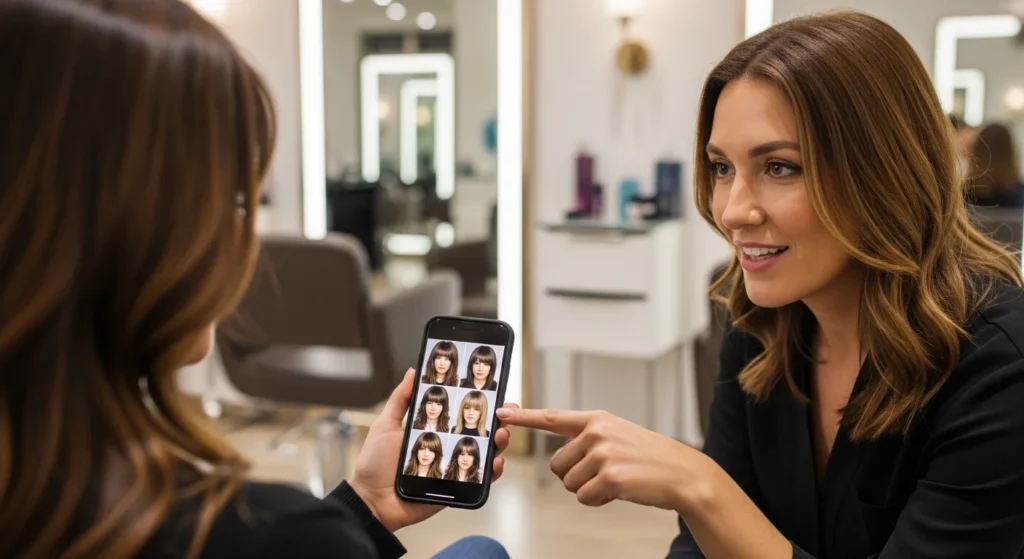
- Bring reference photos to your appointment so your stylist understands exactly what you are picturing.
Tip: Skipping the consultation with your stylist is one of the most common mistakes. Without explaining your hair goals and daily routine, you may end up with layers that require more effort than you are willing to put in.
What Hair Type Is a Long Layered Haircut Best For?
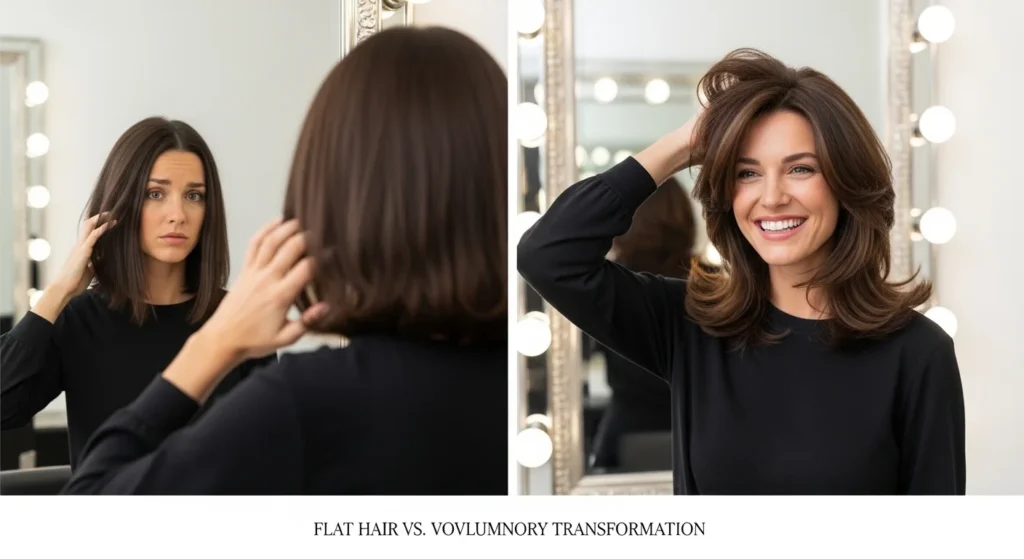
One of the greatest advantages of this cut is that it suits every hair type. A skilled stylist simply adjusts the layering technique to work with your specific texture and thickness.
- Fine hair: Light, feathered layers create the illusion of volume and thickness without making hair look flat or limp.
- Thick hair: Deeper layers remove bulk and weight, making thick hair easier to manage and style on a daily basis.
- Straight hair: Layers add movement and shape, preventing straight hair from looking flat or one-dimensional.
- Wavy hair: Layers encourage waves to form their natural pattern and bounce without excess weight pulling them down.
- Curly hair: Carefully placed layers allow curls to spring up freely, creating a more defined and rounded shape overall.
- Colour-treated hair: Layers add dimension that makes colour techniques like balayage and highlights look even more vibrant and blended.
Tip: If you have very fine hair, ask your stylist for soft, blended layers rather than heavily razored ones. Razoring can cause fine hair to look even thinner at the ends.
Best Long Layered Haircut: What to Ask Your Stylist
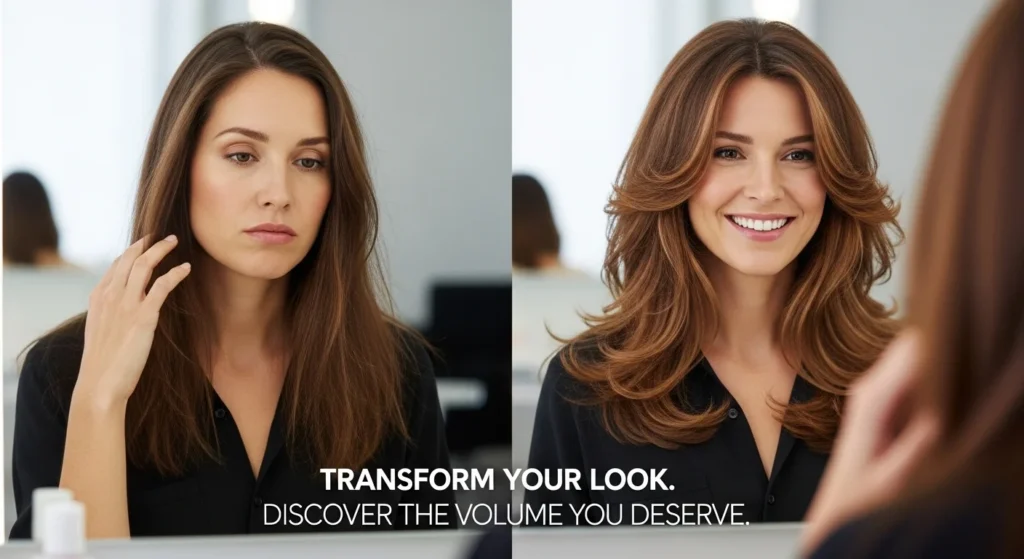
Not every stylist interprets layers the same way. The best long layered haircut starts with a clear conversation so both you and your stylist are working towards the same result.
- Face-framing layers: Ask specifically for layers that sit around the face to soften your features and add a flattering frame.
- Curtain bangs with layers: A popular option that combines soft, centre-parted fringe with long layers for a romantic, effortless look.
- Textured ends: Request point-cutting at the ends to add softness and remove bluntness from the tips of your layers.
- Invisible layers: If you want movement without an obvious layered look, ask for seamless or internal layers.
- Butterfly cut: A trending style with dramatic shorter layers at the crown and longer layers below for a high-volume, retro shape.
Tip: For those with naturally curly or wavy hair, ask about the Rezo cut or DevaCut. These layering methods are designed specifically for textured hair and deliver much better results than a standard layering technique.
Long Layered Haircut Maintenance: What to Expect
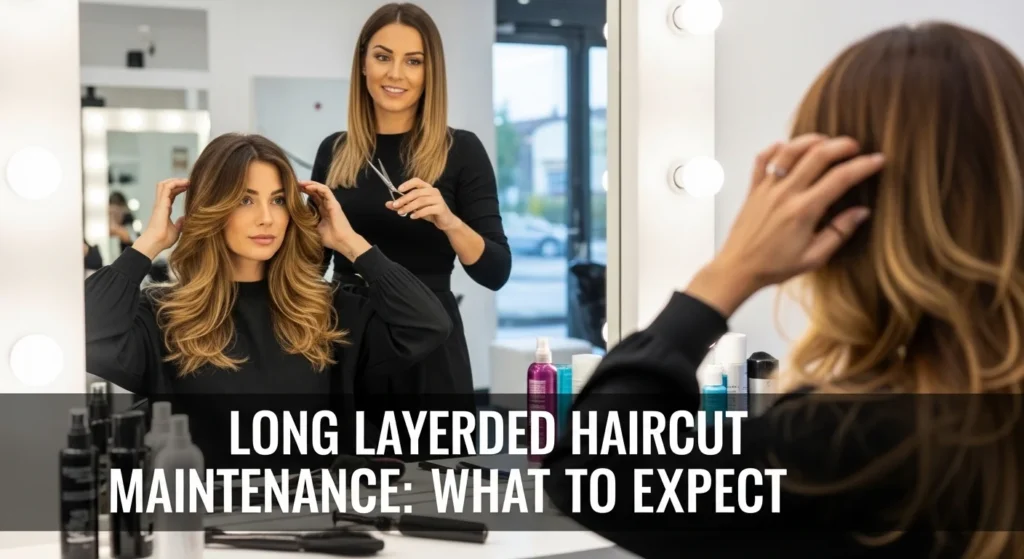
Long layered haircut maintenance is straightforward, but it does require some consistency to keep the style looking its best. Layers grow out differently than blunt cuts, so regular trims are important.
- Trim every 8 to 12 weeks: This keeps layers fresh and prevents the style from looking shapeless as hair grows.
- Use a light layering serum: Apply a smoothing or texturising product to mid-lengths and ends to enhance movement and reduce frizz.
- Blow dry with a round brush: Rolling the brush through layers as you dry adds lift at the roots and bend at the ends for a polished result.
- Protect from heat damage: Always apply a heat protectant before using straighteners or curling wands, as layers can dry out more quickly than blunt ends.
- Deep condition weekly: Layers expose more of the hair shaft, which can lead to dryness. A weekly mask keeps them soft and hydrated.
Tip: If you notice persistent dryness or split ends between trims, switch to a sulphate-free shampoo and add a leave-in conditioner to your routine. Both changes make a visible difference to layered hair.
Long Layers vs Short Layers: Which One Does Your Hair Need?
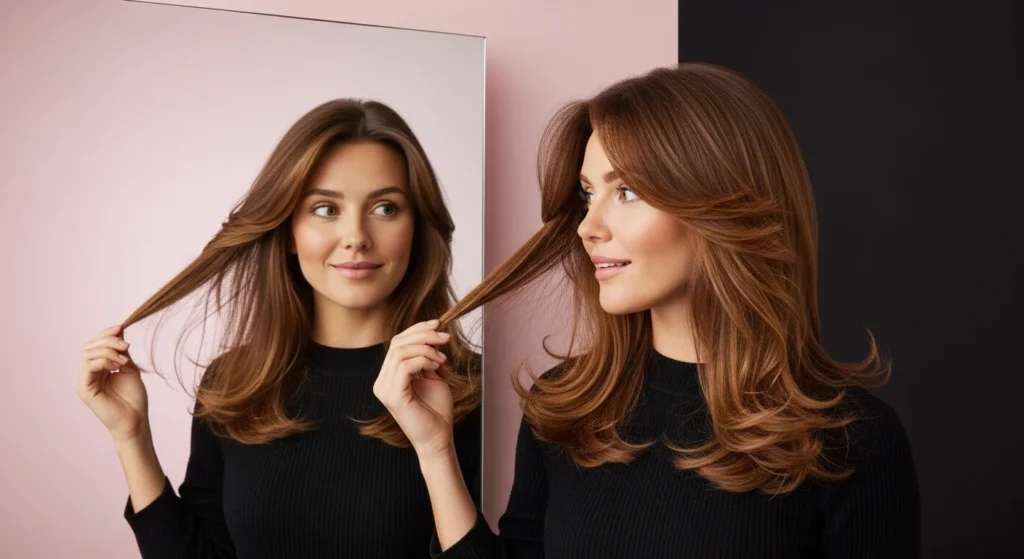
Both are popular layering options, but they create very different results. The table below compares the two so you can decide which fits your hair goals, or discuss combining both for the best outcome.
| Feature | Long Layers | Short Layers |
| Primary benefit | Soft movement and length retention | Volume, lift, and dramatic shape |
| Best for | Fine, thin, or straight hair | Thick, heavy, or voluminous hair |
| Works best | Low-maintenance everyday styles | Styled looks with blow dry or curl |
| Hair type | All types; especially fine or straight | Thick, wavy, and curly hair |
| Pairs well with | Balayage, curtain bangs, face framing | Butterfly cut, blowout, voluminous waves |
| Visible results in | Immediately after the cut | Immediately after the cut |
| Main concern addressed | Flatness, lack of movement, dull shape | Excess weight, lack of volume, bulk |
Tip: If you want the best of both, ask your stylist to combine long layers through the body with shorter face-framing pieces. This gives you volume, shape, and movement all at once.
5 Signs You Need a Long Layered Haircut Today
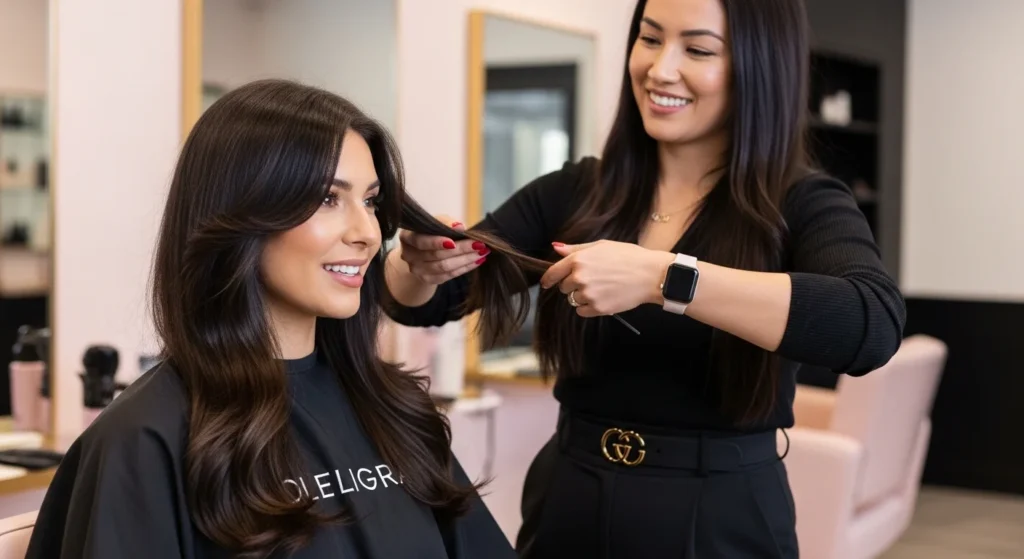
Your hair often signals what it needs before you consciously recognise it. Here are the clearest signs that a layered cut should be your next salon appointment.
- Your hair looks flat by midday: Flatness is a direct sign that your hair lacks shape and structure, which layers immediately correct.
- Blow drying takes too long: Excess bulk slows the process significantly; layers reduce volume and cut drying time noticeably.
- Your waves or curls fall out quickly: Weight from one-length hair drags texture down; layers let curls and waves hold their shape for longer.
- Your hair looks the same front-to-back: A layered cut creates depth and dimension, making the style look intentional and styled from every angle.
- You have not changed your cut in over a year: Grown-out hair loses shape and energy; a fresh layer placement will immediately make your hair look current and cared for.
Final Thoughts
A long layered haircut is one of the most well-loved and consistently requested styles in the salon for a very good reason. It suits every hair type, works at multiple levels of the hair to create shape and movement, and delivers visible transformation from the very first appointment.
It also pairs naturally with almost every color technique and styling method in your routine, making it easy to maintain without additional effort. Book a consultation, bring your reference photos, and make layers a permanent part of your hair identity. Then your hair will look and feel completely different.
Frequently Asked Questions
What is a long layered haircut for?
It is used to add movement, volume, and shape to long hair by cutting sections at different lengths throughout the style.
Is it good to get a long layered haircut if you have fine hair?
Yes, fine hair benefits greatly from soft, blended layers that create the illusion of thickness and volume without looking flat.
Can a long layered haircut cause damage?
It rarely causes damage when done correctly. Using the wrong technique for your texture, such as heavy razoring on fine hair, can cause thinning at the ends, so always discuss your hair type with your stylist first.
Related Articles
Explore more topics in this category
Cozy Fall Hairstyles: 12 Gorgeous Looks to Try
Cozy fall hairstyles make it easy to refresh your look as the weather gets cooler.Loose waves, relaxed braids, low ponytails, and warm accessories create easy styles for autumn days. These looks work beautifully with sweaters, scarves, coats, and other seasonal outfits.You can wear them to work, brunch, date nights, weekend outings, or casual outdoor events.Most…
Fall Hair Color Trends 2026: 10 Shades to Try This Season
Fall hair color trends 2026 are already shifting away from last year’s cool, icy tones. This season leans warmer, richer, and a lot more forgiving for everyday wear. Touching up your natural color or going for a full change, these shades feel right for the months ahead. This guide walks through ten fall shades worth…

12 Egg Hair Masks for Repair and Healthy Hair
Dryness, breakage, frizz, and hair damage are common problems caused by heat styling, pollution, poor nutrition, and harsh products. Many girls struggle to restore softness and strength without spending money on expensive salon treatments. The good news is that one of the best natural hair repair treatments may already be in your kitchen: eggs. Eggs…

Emma
Hey there! Welcome to my blog. I love sharing practical tips, hidden secrets, and awesome hacks to help you live beautifully and smart. Stay tuned for more exciting updates!
Read More About Emma →