
10 Acne-Prone Skin Care Solutions for Clear Skin
Written by Emma ·
Acne-prone skin can feel frustrating, unpredictable, and difficult to manage. Breakouts often appear at the worst times, leaving behind redness, irritation, and sometimes scars. Many people try multiple products without seeing real improvement, which can make skin care feel overwhelming.
The truth is that managing acne-prone skin does not require harsh treatments or complicated routines. With the right habits, gentle products, and consistent care, you can reduce breakouts and support healthier skin.
Acne develops due to excess oil production, clogged pores, bacteria, hormonal changes, and inflammation. A proper skin care routine targets these causes while protecting your skin barrier.
This guide covers 10 effective acne-prone skin care solutions that can help you control breakouts naturally and build a clearer, healthier complexion.
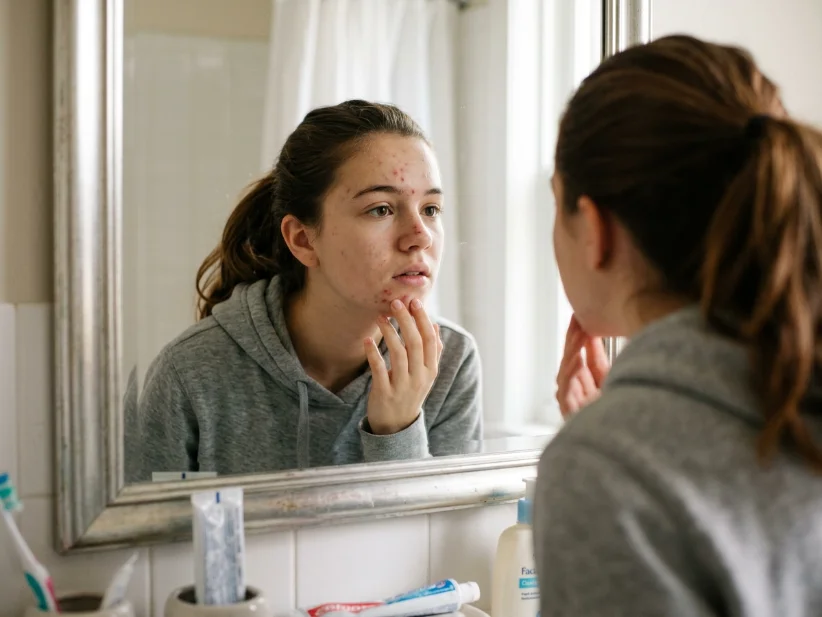
Understanding Acne-Prone Skin
Before treating acne, it is important to understand why it happens.
Common causes of acne:
- Excess oil production
- Clogged pores
- Hormonal fluctuations
- Stress
- Poor diet
- Inconsistent skin care
- Harsh products
Acne-prone skin needs balance. Over-drying or over-treating can often worsen breakouts.
1. Cleanse Your Skin Gently Twice Daily
Cleansing removes dirt, oil, sweat, and impurities that can clog pores.
Best practices:
- Use a gentle foaming or gel cleanser
- Avoid harsh scrubs
- Wash morning and night
- Use lukewarm water
Ingredients to look for:
- Salicylic acid
- Niacinamide
- Tea tree oil
Avoid:
- Overwashing
- Alcohol-heavy cleansers
- Abrasive exfoliants
Gentle cleansing keeps pores clear without damaging your skin barrier.
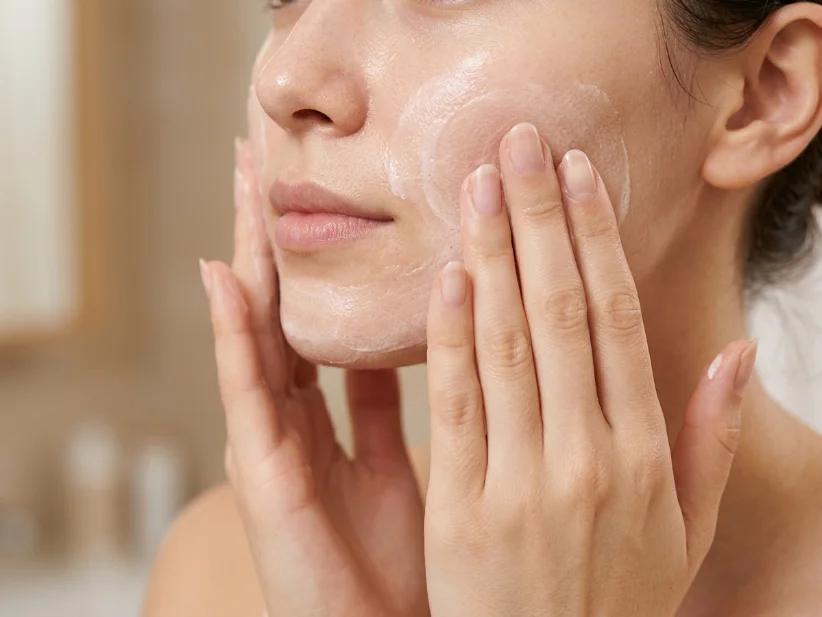
2. Use Non-Comedogenic Moisturizer
Many people with acne skip moisturizer, but hydration is essential.
When skin becomes too dry, it may produce more oil, which can trigger breakouts.
Look for:
- Oil-free formulas
- Gel moisturizers
- Hyaluronic acid
- Ceramides
Benefits:
- Maintains hydration
- Strengthens skin barrier
- Reduces irritation
- Balances oil production
Moisturized skin often heals better and experiences less inflammation.
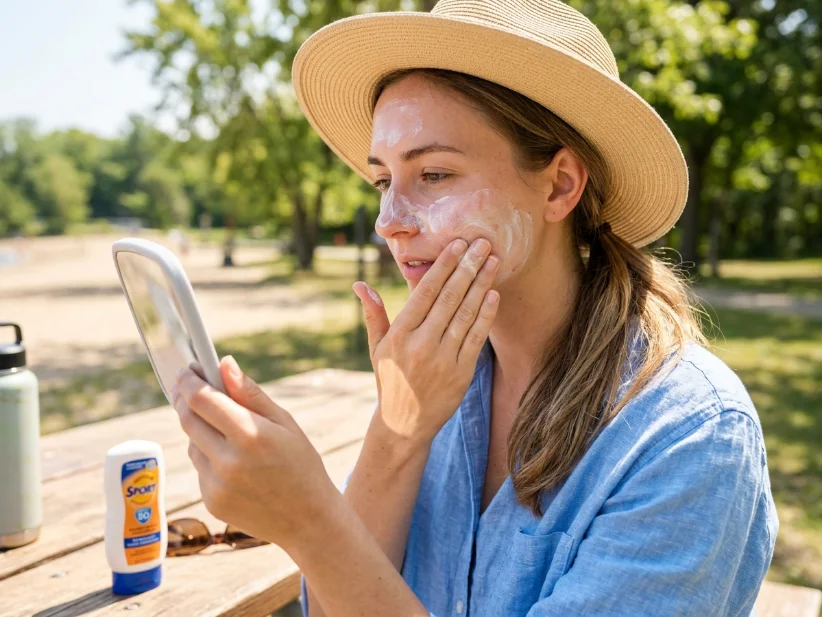
3. Apply Sunscreen Every Day
Sun exposure can worsen acne scars, hyperpigmentation, and inflammation.
Choose:
- SPF 30 or higher
- Oil-free sunscreen
- Non-comedogenic formulas
- Lightweight gel sunscreens
Benefits:
- Prevents dark spots
- Protects healing skin
- Reduces premature aging
Daily sun protection is a crucial step for clearer skin.
4. Introduce Salicylic Acid or Benzoyl Peroxide
These ingredients are among the most effective acne treatments.
Salicylic acid:
- Unclogs pores
- Reduces blackheads
- Controls oil
Benzoyl peroxide:
- Kills acne-causing bacteria
- Reduces inflammation
- Targets active pimples
Important tip:
Start slowly to avoid irritation.
Using targeted treatments can significantly reduce recurring breakouts.
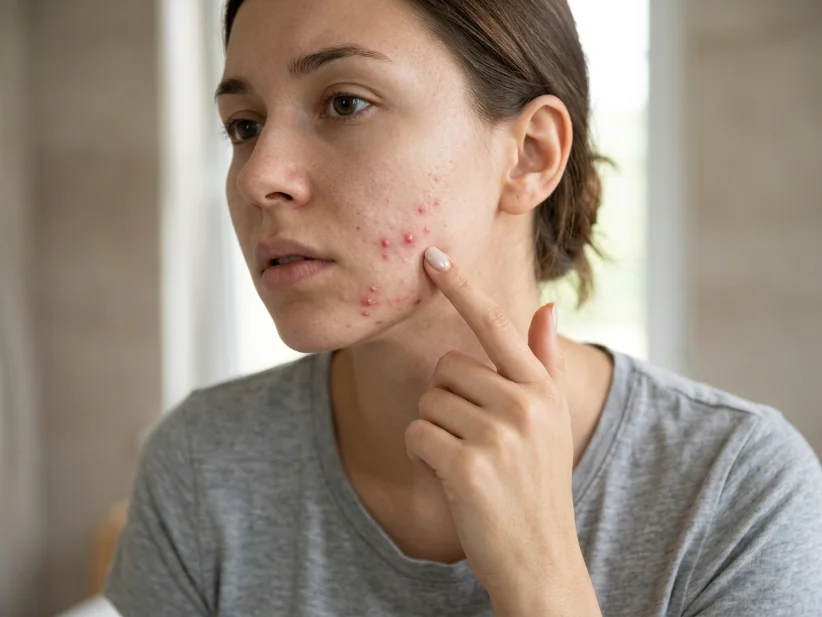
5. Avoid Picking or Popping Pimples
Popping acne can worsen inflammation and increase scarring.
Risks:
- Infection
- Deeper redness
- Post-acne marks
- Skin damage
Better alternatives:
- Spot treatments
- Hydrocolloid patches
- Ice for swelling
Hands off is one of the most important acne prevention habits.
6. Exfoliate Carefully
Exfoliation helps remove dead skin cells that can clog pores.
Safe options:
- Chemical exfoliants like BHA
- Gentle exfoliation 1–2 times weekly
Avoid:
- Physical scrubs
- Daily over-exfoliation
- Rough brushes
Benefits:
- Smoother texture
- Fewer clogged pores
- Better product absorption
Balanced exfoliation supports clearer skin without irritation.
7. Follow a Healthy Diet
Your diet may influence acne severity.
Helpful foods:
- Fruits
- Vegetables
- Omega-3 rich foods
- Water
- Whole grains
Limit:
- Excess sugar
- Highly processed foods
- Greasy fast food
- Excess dairy for sensitive individuals
A nutrient-rich diet can support skin healing from within.

8. Manage Stress Levels
Stress can trigger hormonal responses that increase acne.
Stress management tips:
- Exercise regularly
- Sleep well
- Practice meditation
- Journal
- Take breaks
Benefits:
- Hormonal balance
- Lower inflammation
- Better healing
Mental wellness plays an important role in skin health.
9. Keep Hair, Pillowcases, and Phones Clean
External factors often worsen acne.
Important habits:
- Wash pillowcases weekly
- Clean your phone regularly
- Avoid oily hair touching your face
- Remove makeup before bed
Why it matters:
Bacteria, oil, and dirt can transfer onto your skin and clog pores.
Simple hygiene habits can reduce unnecessary breakouts.

10. Stay Consistent with Your Routine
Acne treatments take time.
Key reminder:
Results often appear after several weeks, not overnight.
Focus on:
- Daily cleansing
- Moisturizing
- Sun protection
- Active treatments
- Healthy habits
Consistency is more effective than constantly switching products.
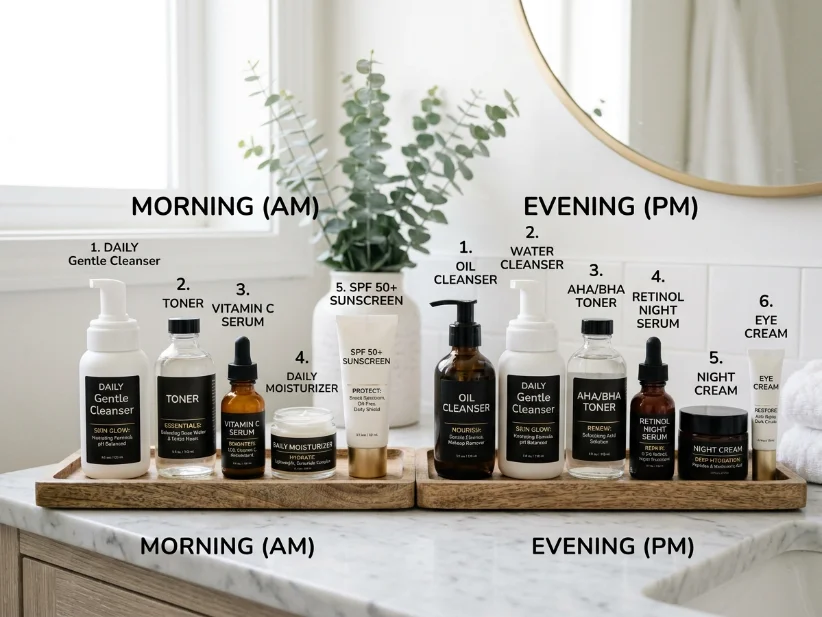
Daily Acne-Prone Skin Care Routine Example
Morning:
- Gentle cleanser
- Lightweight moisturizer
- Sunscreen
Evening:
- Cleanser
- Acne treatment serum
- Moisturizer
Weekly:
- Gentle exfoliation
- Hydrating mask
This simple structure can help maintain balanced, clearer skin.
Common Mistakes to Avoid
Overwashing
Can strip natural oils and worsen acne.
Using Too Many Products
May irritate skin.
Skipping Moisturizer
Leads to dehydration.
Inconsistent Routine
Slows progress.
Ignoring SPF
Can worsen acne scars.
Avoiding these mistakes improves long-term results.
Natural Remedies for Acne-Prone Skin
Aloe Vera
Soothes irritation.
Honey Masks
Provides antibacterial support.
Green Tea
May reduce inflammation.
Tea Tree Oil
Can help target pimples when diluted properly.
Natural remedies can complement a balanced skin care plan.

Benefits of Proper Acne Skin Care
Following the right routine can:
- Reduce breakouts
- Minimize scars
- Improve skin texture
- Balance oil
- Strengthen confidence
- Support long-term skin health
Healthy skin often comes from patience and consistency.
Final Tips for Clearer Skin
- Stay patient
- Introduce products slowly
- Protect your skin barrier
- Prioritize hydration
- Avoid harsh ingredients
- Maintain healthy habits
Small improvements over time often create the best results.
Conclusion
Managing acne-prone skin does not have to feel impossible. By using gentle cleansing, proper hydration, targeted ingredients, and healthy daily habits, you can significantly improve your skin.
Clearer skin takes time, but consistency and the right approach can reduce breakouts and help restore confidence.
Healthy skin is not about perfection. It is about creating sustainable habits that support your skin every day.

Call to Action
Ready to transform your acne-prone skin naturally? Start by building a simple routine, choosing skin-friendly products, and staying consistent with your habits. Small changes today can lead to clearer, healthier skin tomorrow.
For more beauty, skincare, and self-care tips, explore more guides on HerBeautyHacks and take the next step toward your healthiest glow.
FAQs
1. What is the best skin care routine for acne-prone skin?
A gentle cleanser, moisturizer, sunscreen, and targeted acne treatment work best.
2. Can moisturizer cause acne?
Non-comedogenic moisturizers usually help rather than harm acne-prone skin.
3. How long does acne treatment take to work?
Visible results often take 4–8 weeks.
4. Does diet affect acne?
Certain foods may trigger acne in some individuals.
5. Can natural remedies cure acne completely?
Natural remedies may help support skin health but often work best with a full routine.
Related Articles
Explore more topics in this category
Acne Skincare That Actually Cleared My Skin Fast
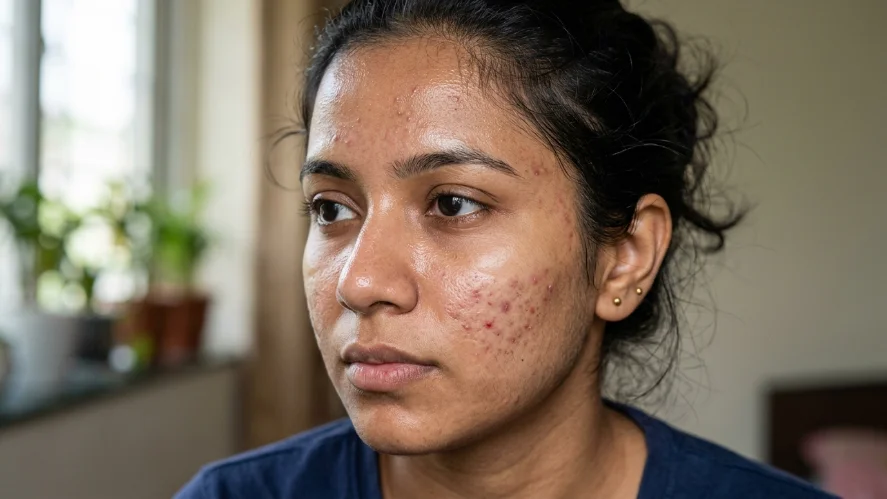
For years, I kept making the same mistake with my skin. I tried every “miracle” product I saw online, followed random routines, and constantly switched between skincare trends hoping something would finally work. Instead of getting better, my acne just kept coming back in different forms. It took me a long time to understand that…

10 Sunscreen Tips for Everyday Skin Protection
Sunscreen is one of the most important skincare products you can use every day. Many people only apply sunscreen during summer or beach trips, but harmful UV rays affect your skin year-round. Sun exposure can lead to premature aging, dark spots, uneven skin tone, sunburn, and long-term skin damage. Daily sunscreen use helps protect your…

10 Summer Skincare Tips for Oily Skin Guide
Summer can be challenging for oily skin. Heat, humidity, and sweat often increase oil production, making your skin feel greasy, clogged, and prone to breakouts. Excess shine, enlarged pores, and acne can quickly become frustrating during hot weather. The good news is that oily skin can stay healthy and balanced with the right summer skincare…

Emma
Hey there! Welcome to my blog. I love sharing practical tips, hidden secrets, and awesome hacks to help you live beautifully and smart. Stay tuned for more exciting updates!
Read More About Emma →