
How to Remove Acne Scars Naturally at Home
Written by Emma ·
Acne scars can affect your confidence long after breakouts disappear. Many girls struggle with dark spots, uneven texture, or marks left behind by acne. These scars can make your skin look dull and uneven, even when active acne is gone.
The good news is that natural skincare habits and gentle home remedies may help fade mild post-acne marks over time, especially hyperpigmentation, while protecting your skin barrier. Consistency, sun protection, and avoiding harsh DIY methods are key. Deep or textured scars often need professional treatment, but many natural methods can still improve overall skin tone and support healing.
This guide covers simple, natural ways to reduce acne scars at home, improve skin texture, and support healthier, brighter skin safely.
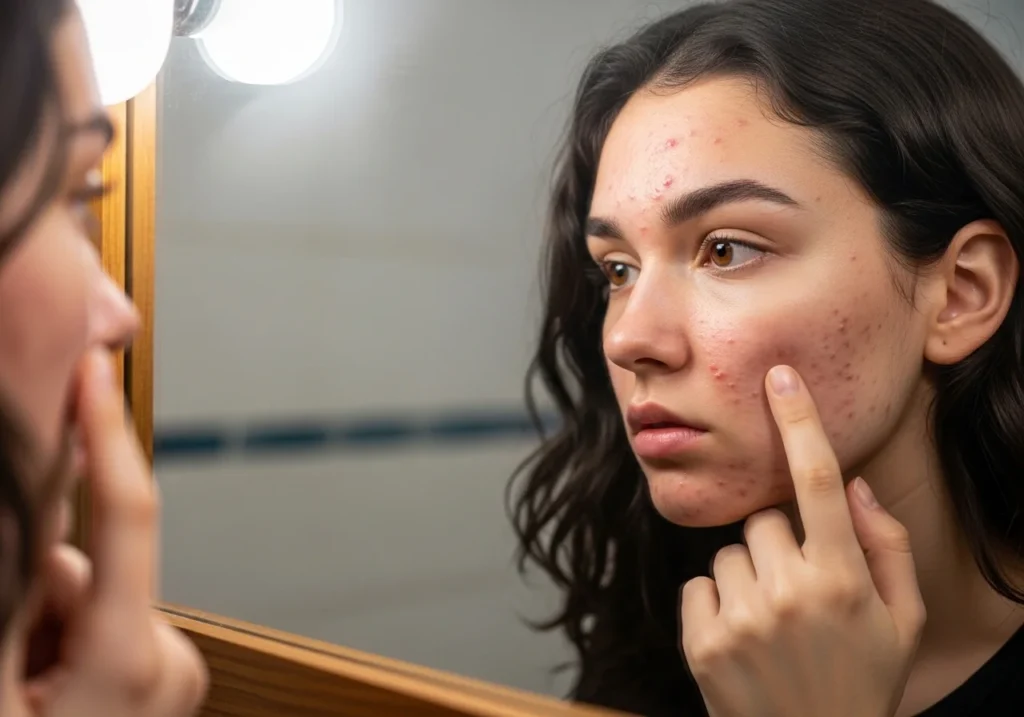
Understanding Different Types of Acne Scars
Not all acne scars are the same.
Post-Inflammatory Hyperpigmentation (Dark Spots)
These are flat dark or red marks left after pimples heal.
Atrophic Scars
These include ice pick, boxcar, or rolling scars that create uneven texture.
Hypertrophic Scars
Raised scars caused by excess collagen.
Natural remedies work best for mild discoloration and surface marks. Deep scars often need dermatological treatments.
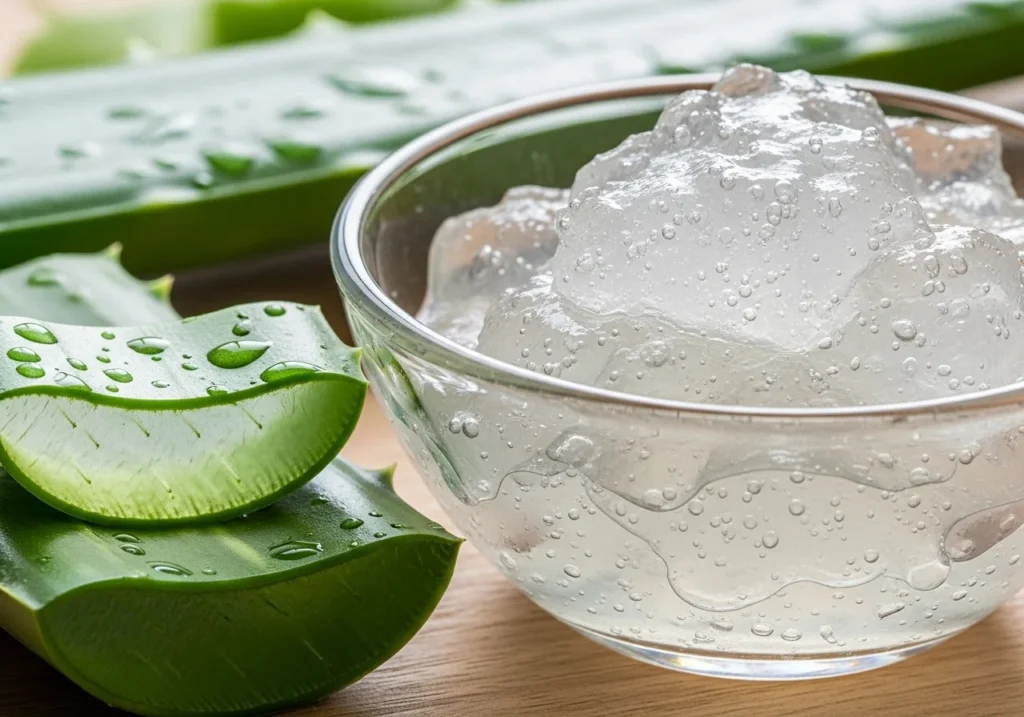
1. Use Aloe Vera for Skin Healing
Aloe vera is known for soothing and calming irritated skin.
Benefits:
- Reduces inflammation
- Supports healing
- May help lighten dark spots gradually
- Hydrates skin
How to Use:
Apply fresh aloe vera gel to clean skin for 20–30 minutes daily.
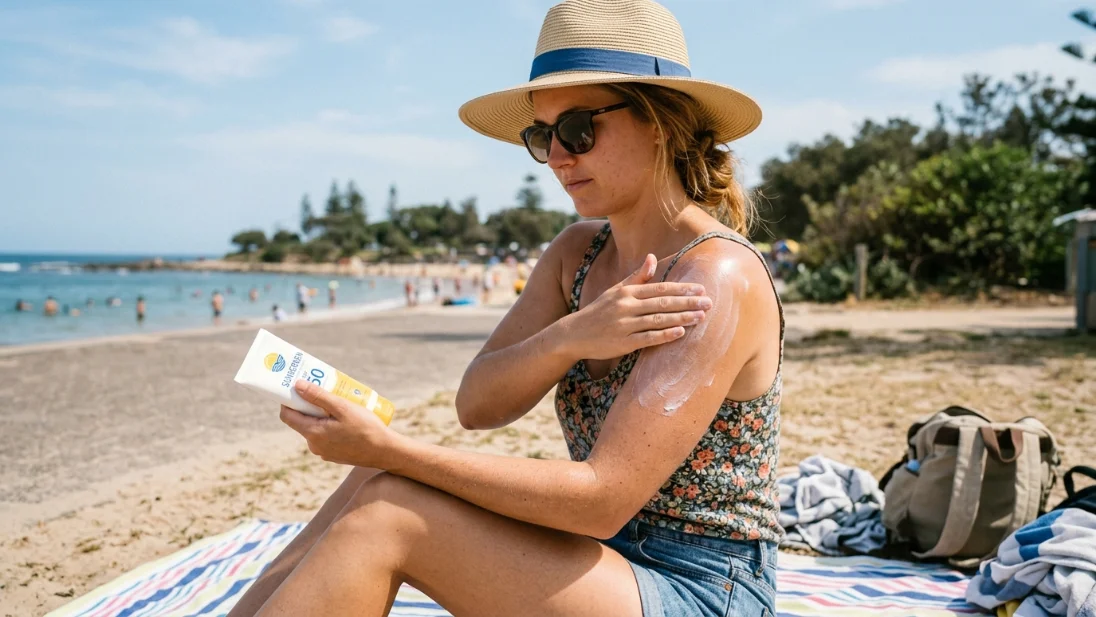
2. Always Wear Sunscreen
Sun exposure can darken acne scars and slow healing.
Why It Matters:
- Prevents hyperpigmentation from worsening
- Protects healing skin
- Supports more even skin tone
Use broad-spectrum SPF 30 or higher every day, even indoors near windows. Dermatologists consistently recommend sunscreen as one of the most important steps for fading marks.
3. Try Honey for Gentle Skin Repair
Raw honey contains soothing and antibacterial properties.
Benefits:
- Supports wound healing
- Reduces irritation
- Helps maintain moisture
- May improve overall skin appearance
How to Use:
Apply a thin layer for 10–15 minutes before rinsing.

4. Gentle Exfoliation Can Improve Skin Tone
Regular mild exfoliation may help remove dead skin cells.
Safe Options:
- Lactic acid
- Glycolic acid
- Fruit enzyme masks
Avoid:
- Harsh scrubs
- Rough physical exfoliants
- Over-exfoliating
Gentle exfoliation may gradually improve mild discoloration, but irritation can worsen scars if overdone.
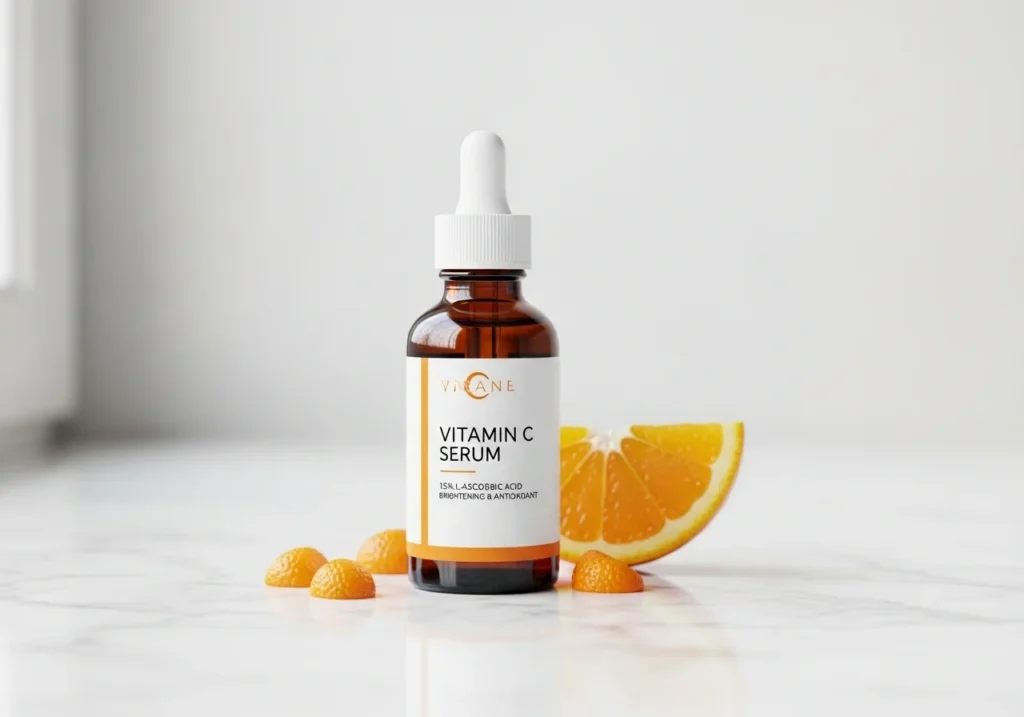
5. Vitamin C for Brightening
Vitamin C may help reduce post-acne pigmentation.
Benefits:
- Brightens skin
- Supports collagen production
- Helps even tone
- Provides antioxidant protection
Choose gentle serums or natural sources carefully, and patch test first.
6. Rosehip Oil for Mild Scar Support
Rosehip oil may support skin regeneration and hydration.
Benefits:
- Rich in vitamins
- Supports skin barrier
- May improve discoloration over time
Use a few drops at night on clean skin.
7. Maintain a Healthy Diet
Healthy skin starts from within.
Skin-Friendly Foods:
- Fruits
- Vegetables
- Nuts
- Omega-3 fats
- Water-rich foods
Important Nutrients:
- Vitamin A
- Vitamin C
- Zinc
A balanced diet supports skin repair and healing.

8. Avoid Picking or Squeezing Pimples
Picking acne significantly increases scarring risk.
Why to Avoid:
- Increases inflammation
- Delays healing
- Causes deeper marks
- Raises infection risk
Prevention is one of the best ways to reduce future acne scars.
9. Stay Consistent with a Gentle Routine
Natural scar fading takes time.
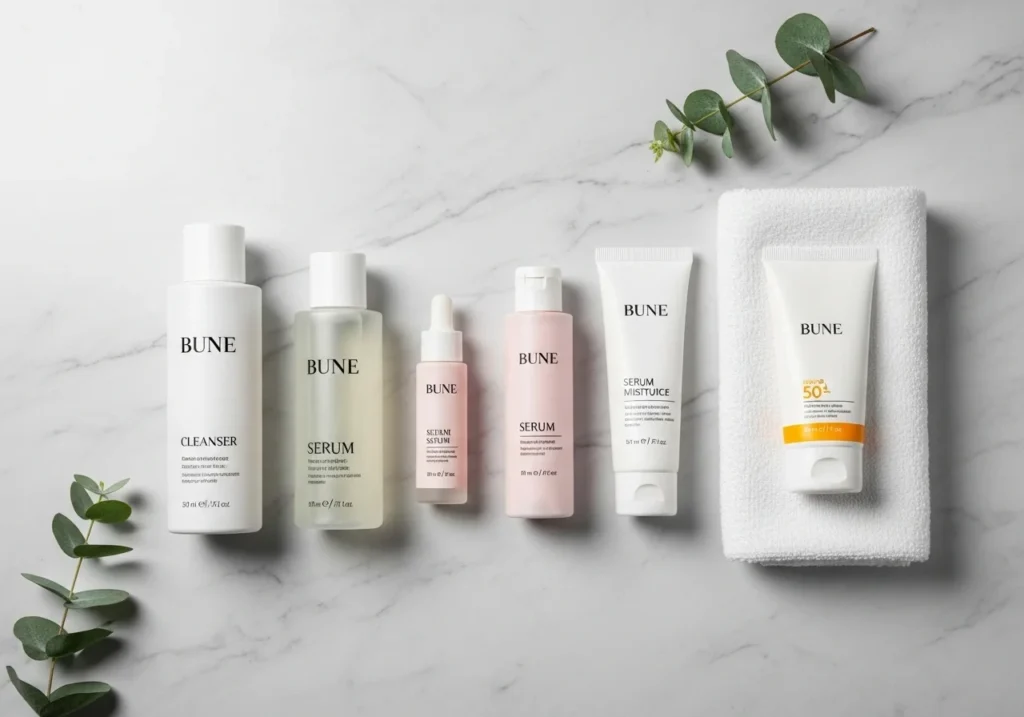
Basic Routine:
- Gentle cleanser
- Moisturizer
- Sunscreen
- Targeted treatment
- Night hydration
Consistency often matters more than aggressive treatments.
10. Be Careful with DIY Remedies
Some popular remedies may irritate skin.
Use Caution With:
- Lemon juice
- Baking soda
- Undiluted essential oils
- Harsh peels
These may damage your skin barrier or worsen discoloration. Experts often advise avoiding overly harsh home treatments.
Natural Ingredients That May Help
Aloe Vera
Soothing and calming
Honey
Hydrating and healing
Rosehip Oil
Supports regeneration
Niacinamide
Brightens and reduces redness
Zinc-Based Sunscreen
Protects scars from darkening
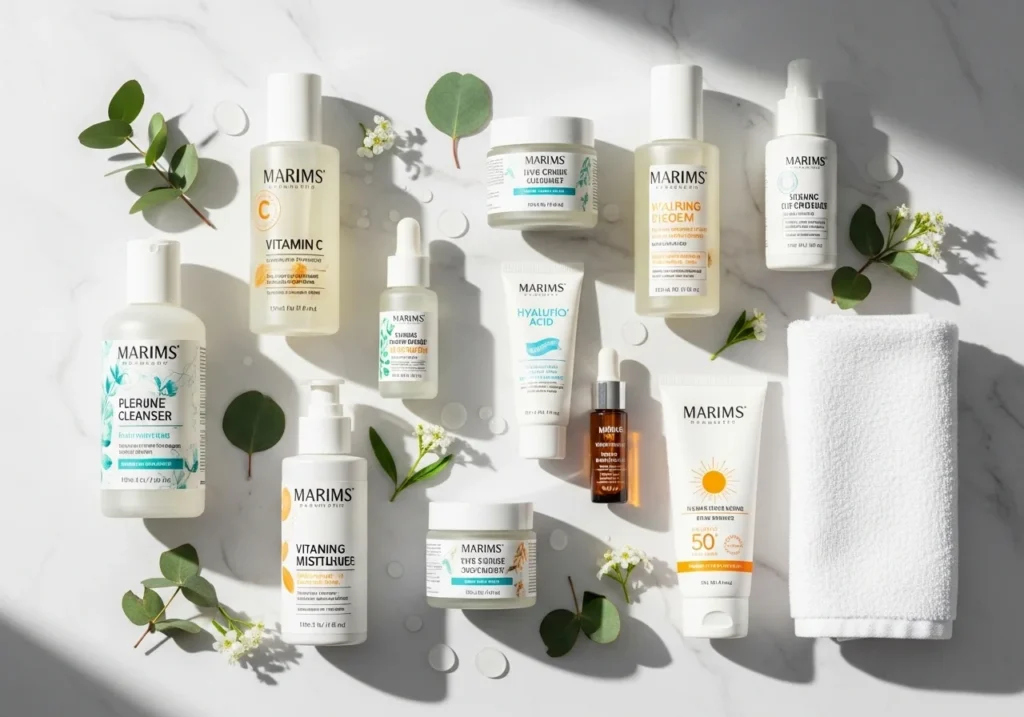
Daily Skincare Routine for Acne Scar Reduction
Morning:
- Gentle cleanser
- Vitamin C or niacinamide
- Moisturizer
- Sunscreen
Night:
- Cleanser
- Aloe vera or rosehip oil
- Moisturizer
Weekly Routine
1 to 2 Times Weekly:
- Gentle exfoliation
- Honey mask
- Hydrating treatment
Avoid doing too many treatments at once.
Common Mistakes to Avoid
Skipping Sunscreen
This can worsen dark spots.
Over-Exfoliating
Too much irritation can increase pigmentation.
Picking Skin
Raises scar severity.
Using Harsh DIY Treatments
Can damage sensitive skin.
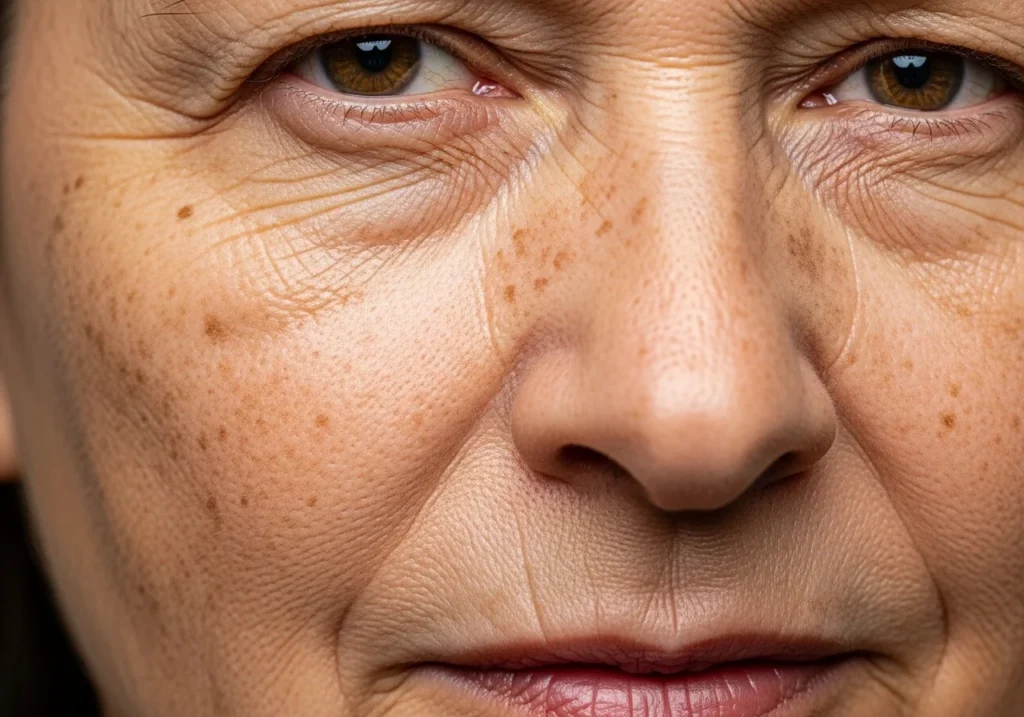
Benefits of Natural Acne Scar Care
Natural methods may help:
- Improve mild discoloration
- Support healing
- Brighten skin
- Protect skin barrier
- Reduce irritation
Results are gradual and often work best for surface-level marks.
When to See a Dermatologist
If you have:
- Deep scars
- Severe texture changes
- Persistent acne
- Painful breakouts
Professional treatments like microneedling, lasers, or chemical peels may be more effective for severe scarring.
Final Tips for Clearer Skin
- Stay patient
- Use sunscreen daily
- Avoid harsh products
- Focus on hydration
- Keep your skincare simple
Healthy skin improvement takes time.
Conclusion
Removing acne scars naturally at home requires patience, consistency, and safe skincare habits. While natural remedies may not erase deep scars, they can help improve mild discoloration, support healing, and create a brighter complexion over time.
Focus on gentle care, sun protection, and nourishing ingredients instead of harsh treatments. With regular effort, your skin can gradually appear healthier, smoother, and more even.

FAQs
1. Can acne scars disappear naturally?
Mild dark spots may fade over time, but deeper scars often need professional treatment.
2. What is the best natural remedy for acne scars?
Aloe vera, sunscreen, honey, and gentle brightening ingredients may help.
3. How long does it take to fade acne scars naturally?
It may take several weeks to months depending on scar type.
4. Can lemon remove acne scars?
Lemon may irritate skin and is generally not recommended.
5. Is sunscreen necessary for acne scars?
Yes, sunscreen is essential to prevent scars from darkening.
Related Articles
Explore more topics in this category
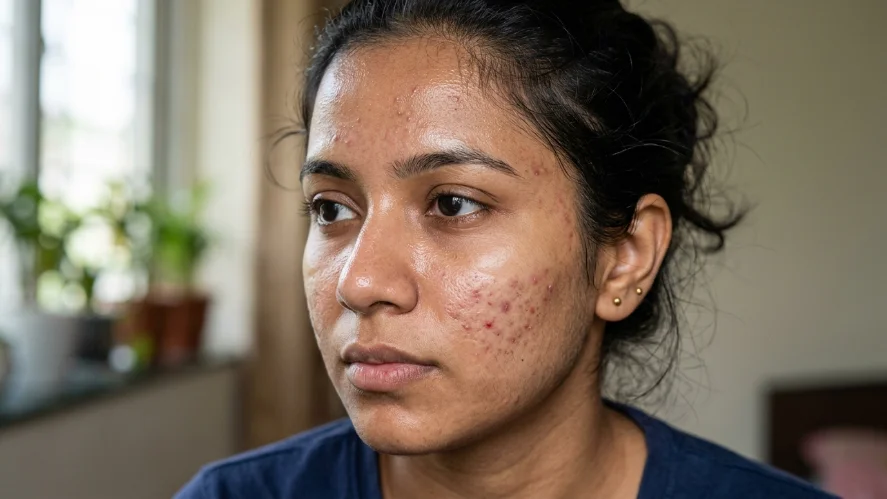
Acne Skincare That Actually Cleared My Skin Fast
For years, I kept making the same mistake with my skin. I tried every “miracle” product I saw online, followed random routines, and constantly switched between skincare trends hoping something would finally work. Instead of getting better, my acne just kept coming back in different forms. It took me a long time to understand that…
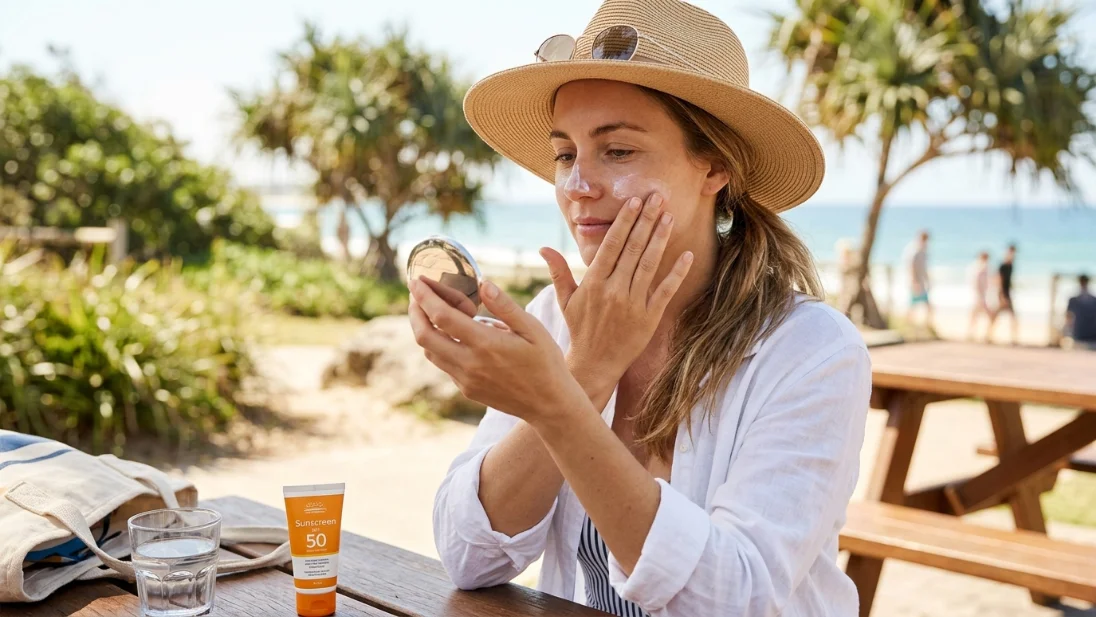
10 Sunscreen Tips for Everyday Skin Protection
Sunscreen is one of the most important skincare products you can use every day. Many people only apply sunscreen during summer or beach trips, but harmful UV rays affect your skin year-round. Sun exposure can lead to premature aging, dark spots, uneven skin tone, sunburn, and long-term skin damage. Daily sunscreen use helps protect your…
10 Summer Skincare Tips for Oily Skin Guide
Summer can be challenging for oily skin. Heat, humidity, and sweat often increase oil production, making your skin feel greasy, clogged, and prone to breakouts. Excess shine, enlarged pores, and acne can quickly become frustrating during hot weather. The good news is that oily skin can stay healthy and balanced with the right summer skincare…

Emma
Hey there! Welcome to my blog. I love sharing practical tips, hidden secrets, and awesome hacks to help you live beautifully and smart. Stay tuned for more exciting updates!
Read More About Emma →