
10 Sunscreen Tips for Everyday Skin Protection
Written by Emma ·
Sunscreen is one of the most important skincare products you can use every day. Many people only apply sunscreen during summer or beach trips, but harmful UV rays affect your skin year-round. Sun exposure can lead to premature aging, dark spots, uneven skin tone, sunburn, and long-term skin damage. Daily sunscreen use helps protect your skin and keeps it healthier over time.
A proper sunscreen routine is not complicated. With the right habits, you can easily make sun protection part of your daily skincare routine. Whether you have oily, dry, sensitive, or combination skin, sunscreen is essential for maintaining healthy skin.
This guide covers 10 practical sunscreen tips that will help you protect your skin every day while keeping your routine simple and effective.

Why Daily Sunscreen Matters
Daily sunscreen protects your skin from both UVA and UVB rays. Broad-spectrum SPF 30+ is widely recommended, and UV exposure can still damage skin on cloudy days or through windows. Regular use also helps reduce premature aging and lowers skin cancer risk.
Benefits of Everyday Sunscreen:
- Prevents sunburn
- Reduces dark spots
- Slows premature aging
- Lowers skin cancer risk
- Protects skin barrier
- Supports even skin tone
Consistent sunscreen use is one of the easiest ways to maintain healthy skin.
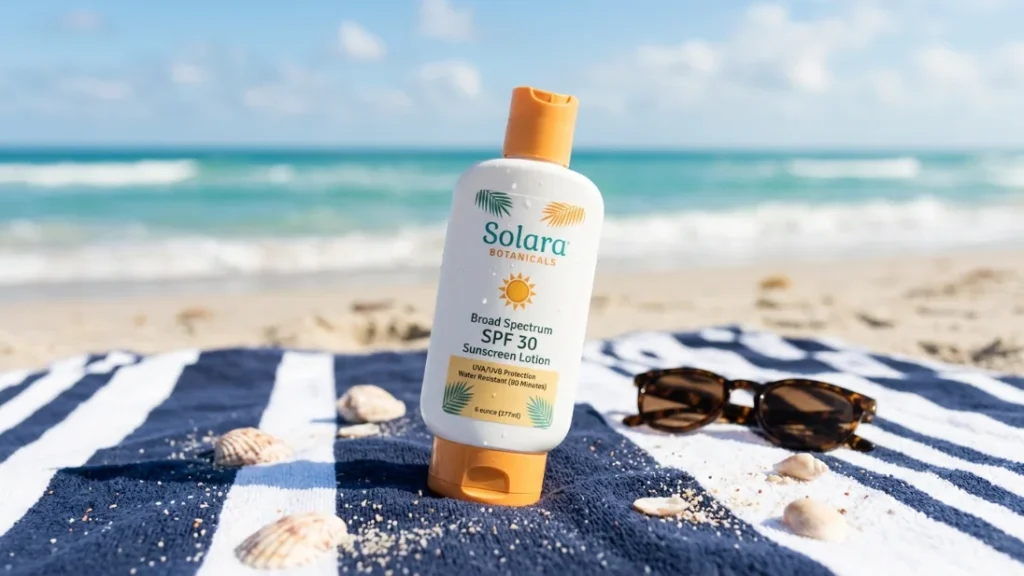
1. Choose Broad-Spectrum SPF 30 or Higher
Not all sunscreens provide equal protection.
Broad-spectrum sunscreen protects against:
- UVA rays (aging)
- UVB rays (burning)
Dermatologists commonly recommend SPF 30+ for daily use. Higher SPF can offer slightly more protection, but correct application matters most.
Tip:
Use SPF 50 if you spend extended time outdoors.
2. Apply Sunscreen Every Morning
Sunscreen should be a daily habit, even when indoors or during cloudy weather.
UV rays can penetrate:
- Windows
- Car glass
- Clouds
Daily application helps prevent gradual sun damage.
Best Practice:
Apply sunscreen as the final step in your morning skincare routine.
3. Use the Right Amount
Many people do not apply enough sunscreen.
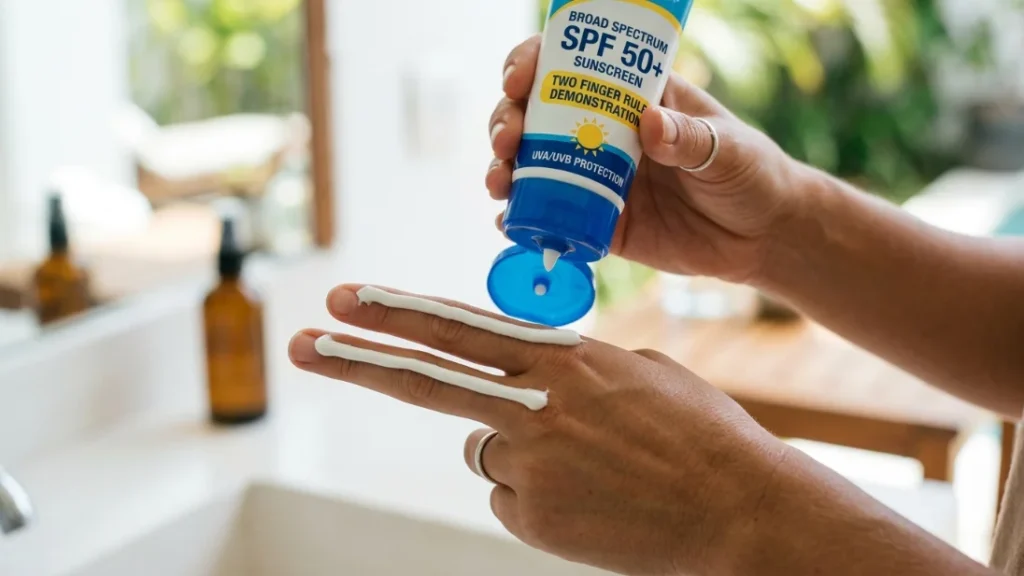
For the face and neck:
- Use the two-finger rule
For the body:
- Use about one ounce (shot-glass amount)
Proper quantity ensures full protection.
4. Reapply Every Two Hours
Sunscreen effectiveness decreases over time.
Reapply:
- Every 2 hours outdoors
- After sweating
- After swimming
- After towel drying
Easy Options:
- Sunscreen sticks
- Powder SPF
- Spray SPF
Reapplication is just as important as initial application.
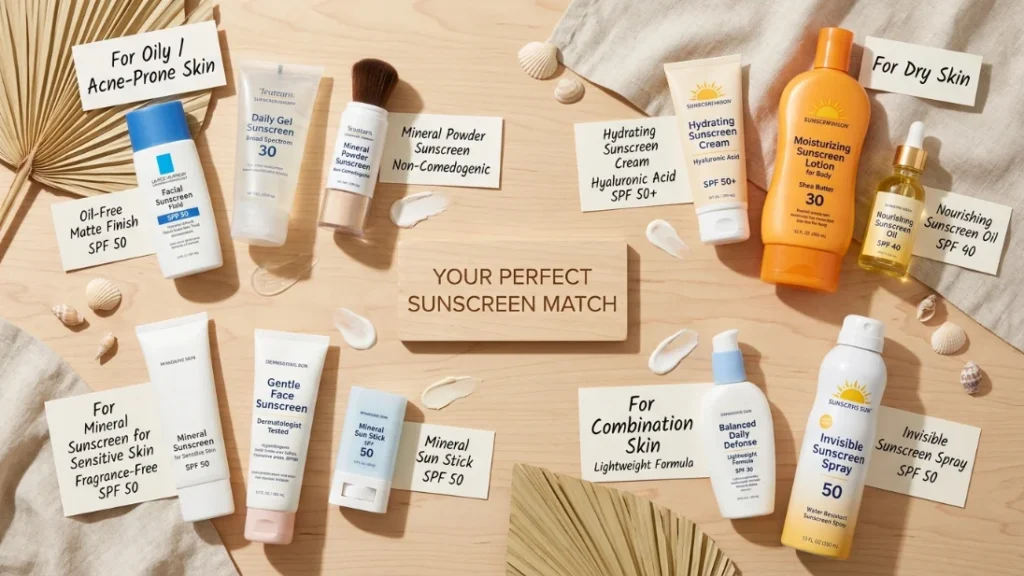
5. Choose Sunscreen Based on Skin Type
Your skin type affects which sunscreen feels best.
Oily Skin:
- Oil-free
- Matte finish
- Gel formulas
Dry Skin:
- Cream-based
- Hydrating ingredients
Sensitive Skin:
- Mineral sunscreen
- Zinc oxide
- Fragrance-free
Acne-Prone Skin:
- Non-comedogenic formulas
Choosing correctly improves comfort and consistency.
6. Don’t Forget Key Areas
Many people miss important spots.
Commonly Forgotten Areas:
- Ears
- Neck
- Hands
- Lips
- Eyelids
- Hairline
These areas are also vulnerable to sun damage.
Tip:
Use SPF lip balm for lip protection.
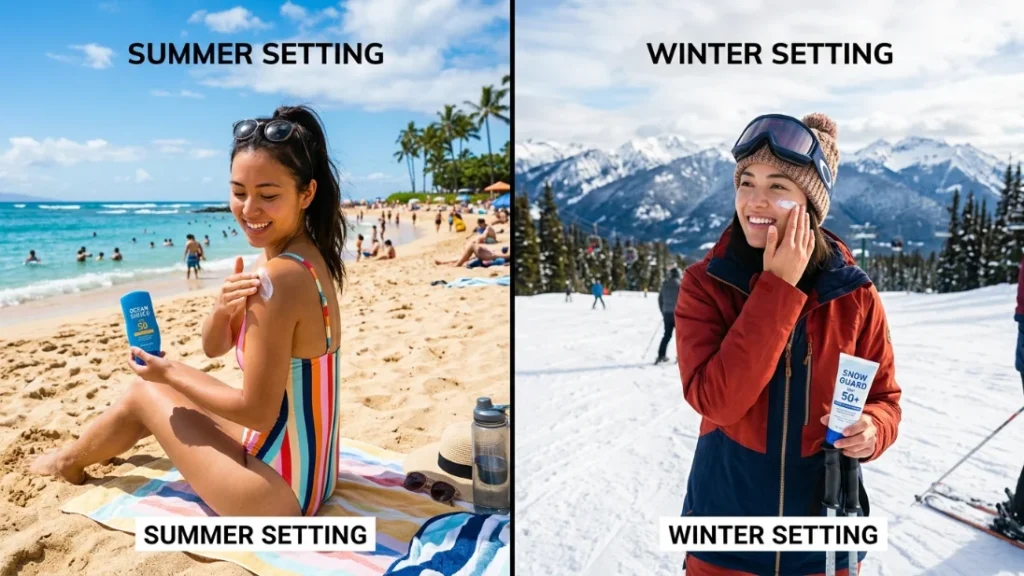
7. Wear Sunscreen Year-Round
Sun damage happens in all seasons.
Winter, rainy days, and indoor light exposure can still contribute to UV damage.
Important:
Daily SPF is not seasonal it is essential all year.
8. Pair Sunscreen with Other Protection
Sunscreen works best with additional protection.
Extra Sun Safety:
- Sunglasses
- Wide-brim hats
- UPF clothing
- Shade
- Avoid peak sun hours (10 AM–4 PM)
Layered protection offers better skin defense.
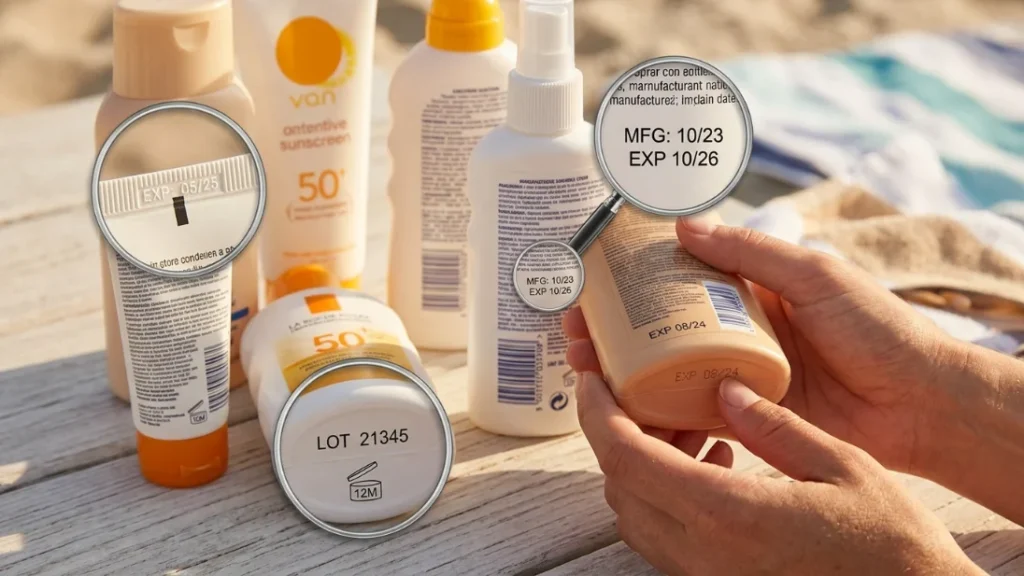
9. Check Expiration Dates
Expired sunscreen may lose effectiveness.
Rule:
- Replace every 2–3 years
- Discard if texture or smell changes
Fresh sunscreen ensures reliable protection.
10. Make Sunscreen a Lifestyle Habit
Consistency matters more than occasional use.
Easy Habit Tips:
- Keep sunscreen near your skincare products
- Carry travel-size SPF
- Use SPF moisturizers
- Set reminders
When sunscreen becomes automatic, skin protection improves dramatically.
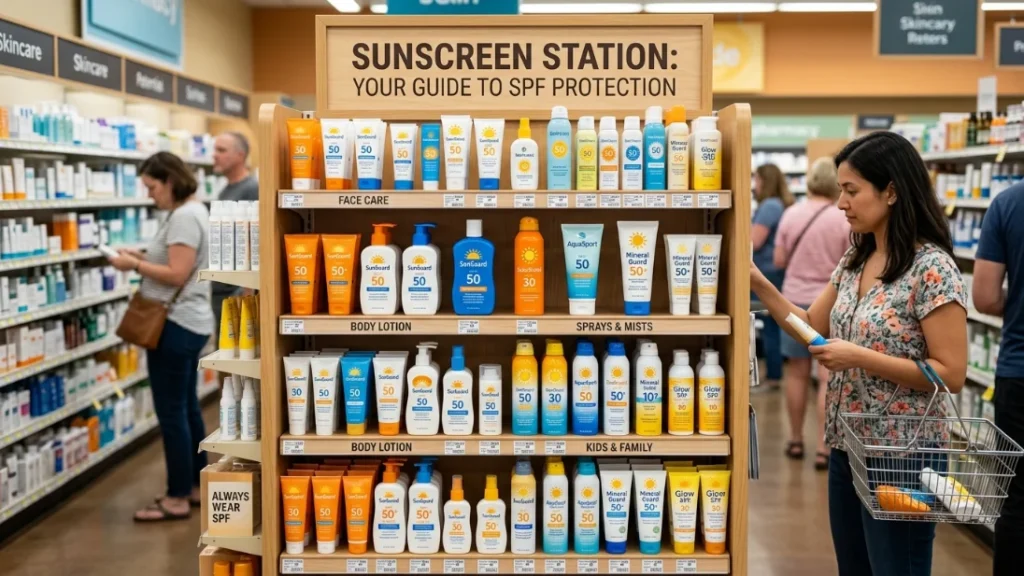
Best Sunscreen Types
Mineral Sunscreen:
- Sensitive skin friendly
- Zinc oxide or titanium dioxide
- Immediate protection
Chemical Sunscreen:
- Lightweight feel
- Easier blending
- Often invisible finish
Tinted Sunscreen:
- Added coverage
- Better for hyperpigmentation
- Blends with makeup
Choose the formula you will actually wear daily.
Common Sunscreen Mistakes to Avoid
Skipping Reapplication
Protection fades over time.
Using Too Little
Insufficient coverage reduces effectiveness.
Only Wearing SPF in Summer
Sun damage is year-round.
Missing Key Areas
Neck, ears, and hands are often neglected.
Relying Only on Makeup SPF
Foundation alone usually does not provide enough protection.
Daily Sunscreen Routine Example
Morning:
- Cleanser
- Moisturizer
- Sunscreen SPF 30+
Midday:
- Reapply SPF
Outdoor Activities:
- Add hat and sunglasses
Simple routines improve long-term skin health.

Benefits of Consistent Sunscreen Use
Regular sunscreen use can:
- Reduce wrinkles
- Prevent hyperpigmentation
- Improve skin texture
- Lower skin cancer risk
- Protect youthful appearance
Sunscreen is one of the best anti-aging tools available.
Final Tips for Everyday SPF Success
- Pick a sunscreen you enjoy wearing
- Apply generously
- Reapply consistently
- Match formula to skin type
- Use daily, regardless of weather
Healthy skin starts with protection.
Conclusion
Daily sunscreen is one of the simplest and most effective ways to protect your skin. It helps prevent aging, pigmentation, and serious long-term sun damage.
By following these 10 sunscreen tips, you can build a reliable sun protection routine that supports healthier, stronger skin every day.
Make sunscreen a non-negotiable part of your skincare routine, and your future skin will thank you.

Call to Action
Ready to protect your skin every day? Start using sunscreen consistently and upgrade your skincare routine today. Visit Her Beauty Hacks for more expert skincare tips, beauty guides, and self-care routines that help you look and feel your best.
FAQs
1. Should I wear sunscreen every day?
Yes, daily sunscreen is essential for long-term skin protection.
2. What SPF is best for daily use?
SPF 30 or higher is recommended.
3. Can I skip sunscreen indoors?
No, UV rays can still penetrate windows.
4. How often should I reapply sunscreen?
Every two hours when outdoors.
5. Is sunscreen necessary in winter?
Yes, UV rays are present year-round.
Related Articles
Explore more topics in this category

Acne Skincare That Actually Cleared My Skin Fast
For years, I kept making the same mistake with my skin. I tried every “miracle” product I saw online, followed random routines, and constantly switched between skincare trends hoping something would finally work. Instead of getting better, my acne just kept coming back in different forms. It took me a long time to understand that…

10 Summer Skincare Tips for Oily Skin Guide
Summer can be challenging for oily skin. Heat, humidity, and sweat often increase oil production, making your skin feel greasy, clogged, and prone to breakouts. Excess shine, enlarged pores, and acne can quickly become frustrating during hot weather. The good news is that oily skin can stay healthy and balanced with the right summer skincare…

10 Acne-Prone Skin Care Solutions for Clear Skin
Acne-prone skin can feel frustrating, unpredictable, and difficult to manage. Breakouts often appear at the worst times, leaving behind redness, irritation, and sometimes scars. Many people try multiple products without seeing real improvement, which can make skin care feel overwhelming. The truth is that managing acne-prone skin does not require harsh treatments or complicated routines….

Emma
Hey there! Welcome to my blog. I love sharing practical tips, hidden secrets, and awesome hacks to help you live beautifully and smart. Stay tuned for more exciting updates!
Read More About Emma →