
Acne Skincare That Actually Cleared My Skin Fast
Written by Emma ·
For years, I kept making the same mistake with my skin. I tried every “miracle” product I saw online, followed random routines, and constantly switched between skincare trends hoping something would finally work. Instead of getting better, my acne just kept coming back in different forms.
It took me a long time to understand that clearing acne isn’t about using more products it’s about using the right ones in the right way. Once I stopped overcomplicating my routine and focused on consistency, everything started to change. My skin didn’t clear overnight, but it slowly became calmer, smoother, and much more balanced.
In this guide, I’m sharing what actually worked for me, what completely failed, and the simple changes that made the biggest difference in my skin journey.
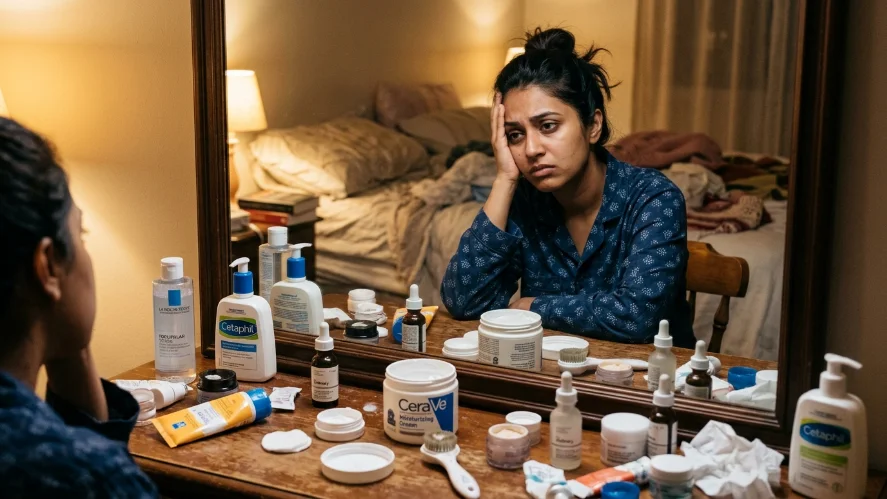
What Finally Started Clearing My Skin
The Acne Advice You’re Getting Is Probably Wrong for Your Skin
Here’s the thing nobody really tells you: most mainstream acne advice is written for people living in cool, dry climates with pale skin that behaves completely differently from ours. I have wheatish, oily skin, and I live in a city where the humidity in July makes you feel like you’re walking through warm soup. The skincare routines I was copying from Western influencers were designed for someone in London, not Lahore.
I wasted so much money chasing those routines. I tried the fancy foam cleansers that left my skin squeaky clean turns out “squeaky clean” is a red flag, not a goal. It means you’ve stripped your skin barrier, which then panics and produces even more oil, which leads to more breakouts. Classic vicious cycle. Once I actually understood what my skin was trying to do instead of fighting it, things started to shift.
Acne happens for a bunch of reasons hormones, bacteria, clogged pores, inflammation, diet, stress and often it’s a messy combination of all of them at once. There’s no single product that fixes it. I know that’s not what you want to hear, but it’s what I needed someone to tell me years ago.
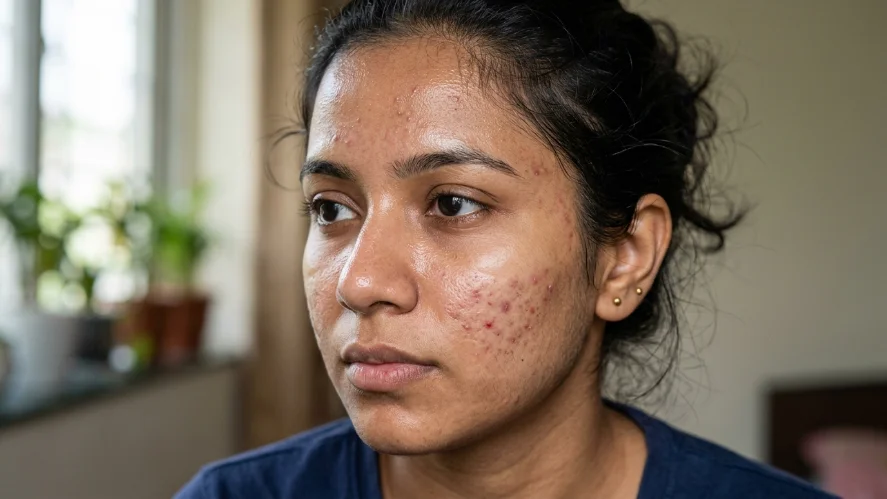
Building a Routine That Actually Makes Sense
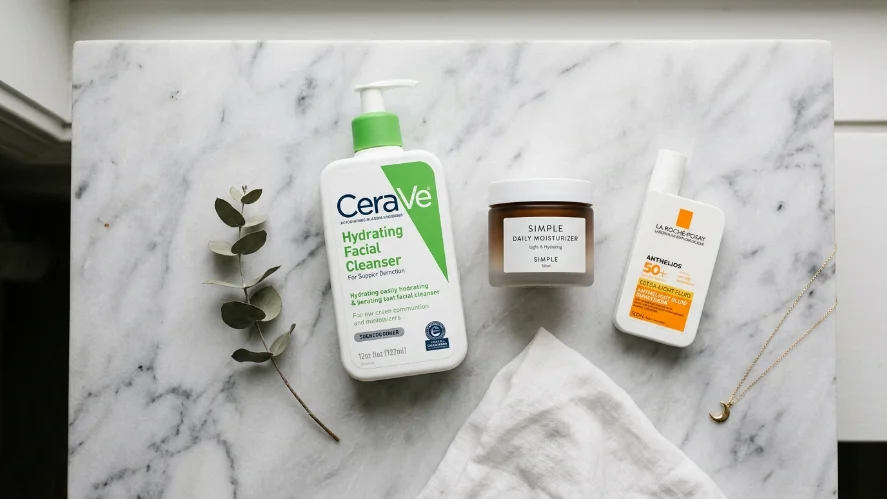
After the wedding disaster, I stripped everything back. I mean everything. For two weeks, I used only a gentle cleanser and a basic moisturizer. I chose the CeraVe Hydrating Cleanser because it doesn’t foam aggressively and doesn’t leave your face feeling tight. It’s available at most big pharmacies in Pakistan now and costs around 2,500 to 3,000 PKR for the big bottle, which lasts forever. My skin calmed down significantly in those two weeks, which told me the problem wasn’t my skin, it was everything I was piling onto it.
From that reset, I added things back one at a time, waiting two to three weeks between each new product. This is boring. I know it’s boring. But it’s the only way you actually know what’s working and what’s breaking you out. When you introduce five things at once and your skin reacts, you have no idea which one caused it. Trust me on this one.
The routine I landed on after about four months of testing is simple. Morning: gentle cleanser, niacinamide serum, lightweight moisturizer, SPF. Night: same cleanser, a leave-on salicylic acid, moisturizer. That’s it. Nothing fancy, nothing expensive.
The Ingredients That Made a Real Difference
Niacinamide became my best friend, and I’m not being dramatic. I started with The Ordinary Niacinamide 10% + Zinc 1%, which you can find on Daraz or get from certain beauty stores in Karachi and Lahore for around 1,500 to 1,800 PKR. After about three weeks of using it every morning, the redness in my active breakouts calmed down noticeably and my pores looked smaller. Niacinamide works by reducing inflammation and regulating oil production, so it addresses two of the main things oily, acne-prone skin struggles with. The serum is a little watery and absorbs fast, which I love because heavy textures in this humidity are genuinely unbearable.
Salicylic acid was the other big one for me. It’s oil-soluble, which means it can actually get inside pores and clear out the gunky buildup that causes blackheads and closed comedones. I use the Neutrogena Oil-Free Acne Wash as an occasional second cleanse at night rather than a leave-on, because I found leave-on formulas made my skin too dry when I was also using niacinamide. Everyone’s skin is different, so you might tolerate more actives than I do.
What didn’t work for me: the Garnier Bright Complete Vitamin C Serum. I know people love it and it works beautifully for a lot of people, but it broke me out badly around my jawline. I used it for three weeks hoping my skin would adjust. It didn’t. I gave the bottle to my sister, whose skin loves it, and that confirmed it was just wrong for my particular skin, not a bad product.
What I Wish I Knew Earlier
I wish someone had told me earlier that moisturizer is not optional when you have acne. I spent years skipping it because I thought oily skin didn’t need moisture. This is one of the most common mistakes, and I’ve since met so many girls who do the same thing. When your skin is dehydrated which is different from being oily it actually compensates by producing more oil. So skipping moisturizer can make acne worse, not better.
I also wish I hadn’t spent so much time picking at my skin. I know. Everyone knows. But knowing and stopping are two different things. The post-inflammatory hyperpigmentation I’m still dealing with from spots I picked two years ago is my daily reminder that it genuinely is not worth it. On brown skin, those dark marks take so much longer to fade than on lighter skin tones, and no amount of vitamin C serum completely erases them quickly.
The other thing? Sunscreen. I avoided it for years because every sunscreen I tried felt greasy and white-casteyed and just unpleasant. Then I found the Derma Co Hyaluronic Sunscreen SPF 50, which is a gel formula that actually works on oily skin in Pakistani weather. No white cast, no grease. Sunscreen matters for acne because UV exposure makes hyperpigmentation darker and slows down skin healing. Once I started wearing it consistently, my dark spots faded noticeably faster.
Lifestyle Things That Changed My Skin More Than Products Did
I’m a little embarrassed it took me so long to take this seriously, but changing my pillowcase twice a week made a visible difference. Your pillowcase collects oil, hair product residue, and bacteria, and then you press your face into it for eight hours. Similarly, I started cleaning my phone screen with an antibacterial wipe every day because I was holding it against my cheek constantly.
Diet is a minefield topic because it’s deeply individual, but I personally noticed that my skin got angrier during weeks when I was eating a lot of high-glycaemic foods, things like white bread, sugary drinks, and fried snacks. I’m not saying these foods cause acne universally, because the science is still mixed and everyone’s body responds differently. But for me, there was a pattern I couldn’t ignore after paying attention to it for a few months.

Stress is the one I still struggle with. During exam seasons and project deadlines, my skin breaks out regardless of how consistent my routine is. Hormonal fluctuations around that time of the month also affect my skin in a predictable pattern now that I’ve tracked it. Knowing these triggers at least means I’m not panicking and throwing new products at my face when a breakout appears. I just stay consistent and wait it out.
When to Actually See a Dermatologist
If your acne is severe, cystic, painful, or leaving significant scarring, please see a dermatologist before spending money on over-the-counter products. I know dermatologist visits feel like an expense, but a proper consultation can save you money in the long run because you’re not buying random products that may not work for your specific type of acne. Prescription options like topical retinoids, antibiotics, or in some cases oral medication can do things that no serum from a beauty store can replicate. There’s no shame in needing that level of help. Acne is a medical condition, not a hygiene failure.
Patch test every single new product before using it on your full face. Apply a small amount behind your ear or on your inner wrist and wait 24 hours. It feels tedious but it saved me from a full-face reaction more than once.

My skin is still not perfect, and honestly, I’ve made peace with that. I have good weeks and rough weeks, and my routine is something I adjust based on what my skin is telling me rather than treating it like a fixed formula. After six months of staying consistent with the basics, my breakouts are less frequent and less severe, and the dark spots from old acne are gradually fading. That’s a win.

If you’re just starting out and feeling overwhelmed, my honest suggestion is to start with less than you think you need. Two products, consistently, for a month, will teach you more about your skin than ten products used randomly ever will.
Related Articles
Explore more topics in this category

10 Sunscreen Tips for Everyday Skin Protection
Sunscreen is one of the most important skincare products you can use every day. Many people only apply sunscreen during summer or beach trips, but harmful UV rays affect your skin year-round. Sun exposure can lead to premature aging, dark spots, uneven skin tone, sunburn, and long-term skin damage. Daily sunscreen use helps protect your…

10 Summer Skincare Tips for Oily Skin Guide
Summer can be challenging for oily skin. Heat, humidity, and sweat often increase oil production, making your skin feel greasy, clogged, and prone to breakouts. Excess shine, enlarged pores, and acne can quickly become frustrating during hot weather. The good news is that oily skin can stay healthy and balanced with the right summer skincare…

10 Acne-Prone Skin Care Solutions for Clear Skin
Acne-prone skin can feel frustrating, unpredictable, and difficult to manage. Breakouts often appear at the worst times, leaving behind redness, irritation, and sometimes scars. Many people try multiple products without seeing real improvement, which can make skin care feel overwhelming. The truth is that managing acne-prone skin does not require harsh treatments or complicated routines….

Emma
Hey there! Welcome to my blog. I love sharing practical tips, hidden secrets, and awesome hacks to help you live beautifully and smart. Stay tuned for more exciting updates!
Read More About Emma →