
10 High Protein Breakfasts to Boost Energy & Burn Fat
Written by Emma ·
Starting your day with a high protein breakfast is one of the smartest ways to boost energy, burn fat naturally, and support healthy weight loss. When your morning meal is rich in quality protein, your body stabilizes blood sugar levels, reduces cravings, and keeps you full for hours without mid morning crashes. Research shows that eating 25 to 30 grams of protein at breakfast can improve metabolism, preserve lean muscle mass, and prevent overeating later in the day. Whether you are following a high protein diet, trying to lose belly fat, or simply searching for healthy breakfast ideas that actually keep you satisfied, prioritizing protein in the morning can completely transform your results. If you love discovering nourishing recipes that support energy and fat loss, explore more high protein and healthy recipes in our Food section.
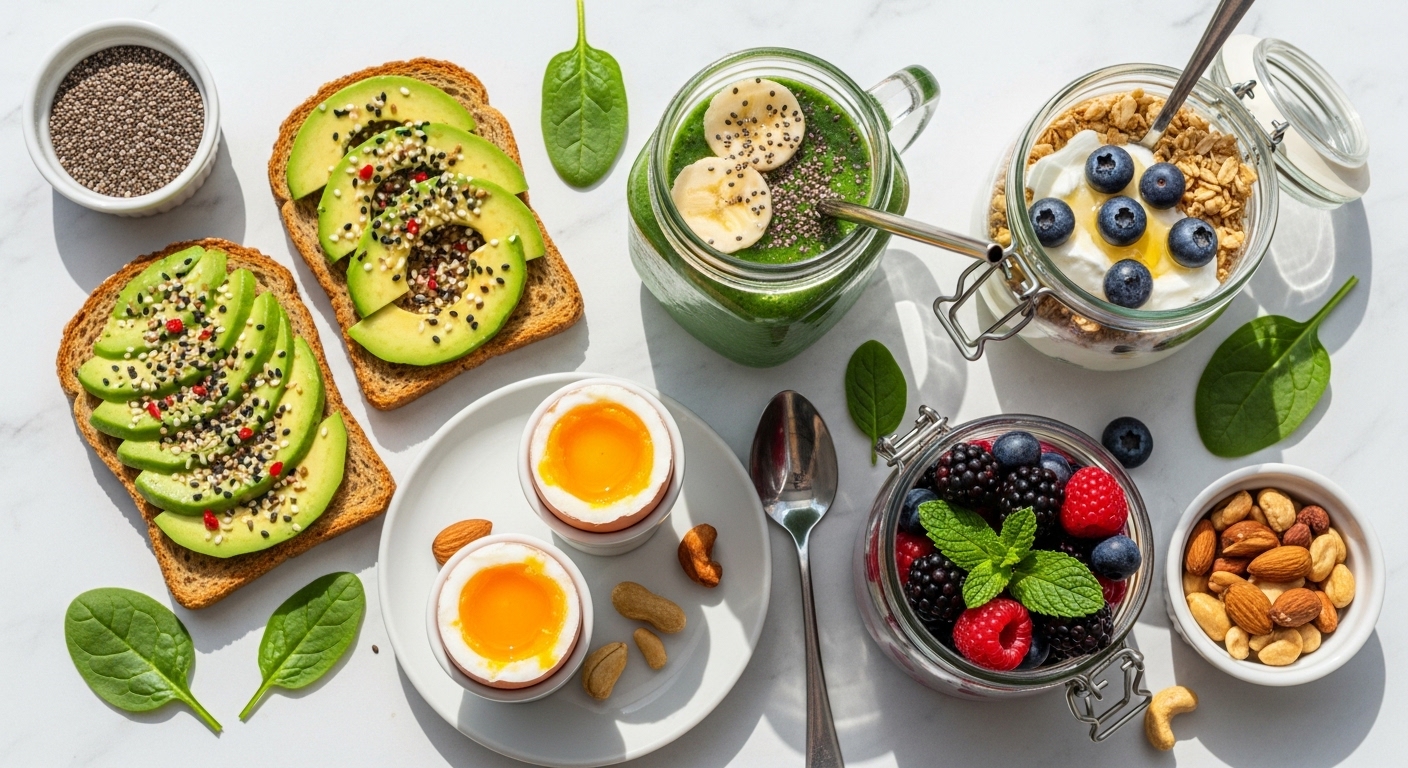
Why Your Breakfast Protein Is the Secret You Have Been Missing
Let’s be real for a second. How many mornings have you grabbed a granola bar or a bowl of cereal, told yourself it was enough, and then crashed completely by 10 a.m.? If that sounds familiar, you are not alone, and the good news is it is not a willpower problem. It is a protein problem.
Protein at breakfast is genuinely one of the most powerful things you can do for your body, your metabolism, and your mood. Research published by Harvard School of Public Health confirms that a high protein morning meal helps regulate hunger hormones, specifically ghrelin and leptin, which are the two main players in appetite control. When those hormones are balanced, cravings throughout the day drop significantly. You eat less without feeling deprived. That is not a gimmick. That is biology working in your favor.
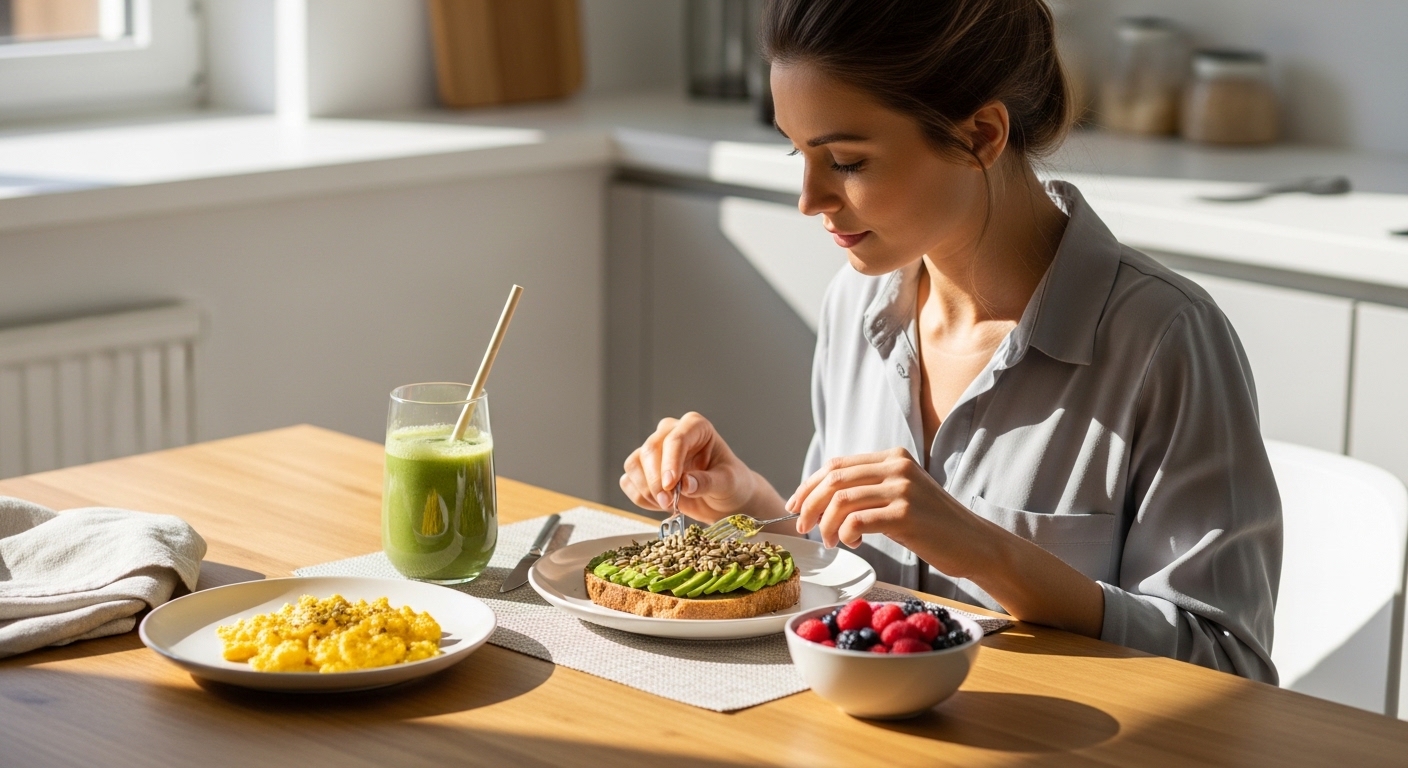
Whether your goal is weight loss, sustained energy through a busy workday, building lean muscle, or simply feeling less sluggish before noon, these 10 high protein breakfast ideas are about to change your mornings completely.
Head over to our food category for even more nourishing recipe inspiration curated specifically for women who want to eat well and feel amazing.
How Much Protein Do You Actually Need at Breakfast?
Before we get into the good stuff, let’s quickly cover what the research says about protein at breakfast. Most nutrition experts recommend aiming for at least 25 to 35 grams of protein in your first meal of the day. This range is enough to trigger muscle protein synthesis, stabilize blood sugar, and meaningfully reduce appetite for hours afterward.
Research published by the National Institutes of Health (NIH) suggests that consuming a higher-protein breakfast may increase satiety and help reduce overall calorie intake later in the day compared to a lower-protein meal. That kind of reduction, sustained over weeks, adds up to real, noticeable weight loss without crash dieting or extreme restriction. Now let’s talk about what that actually looks like on your plate.
10 High Protein Breakfast Ideas That Are Delicious and Actually Keep You Full
Start your day right with these 10 high protein breakfast ideas that are delicious, filling, and perfect for busy mornings. From eggs and Greek yogurt to protein smoothies and oatmeal, these easy high protein breakfasts help boost energy, control cravings, and keep you full for hours.
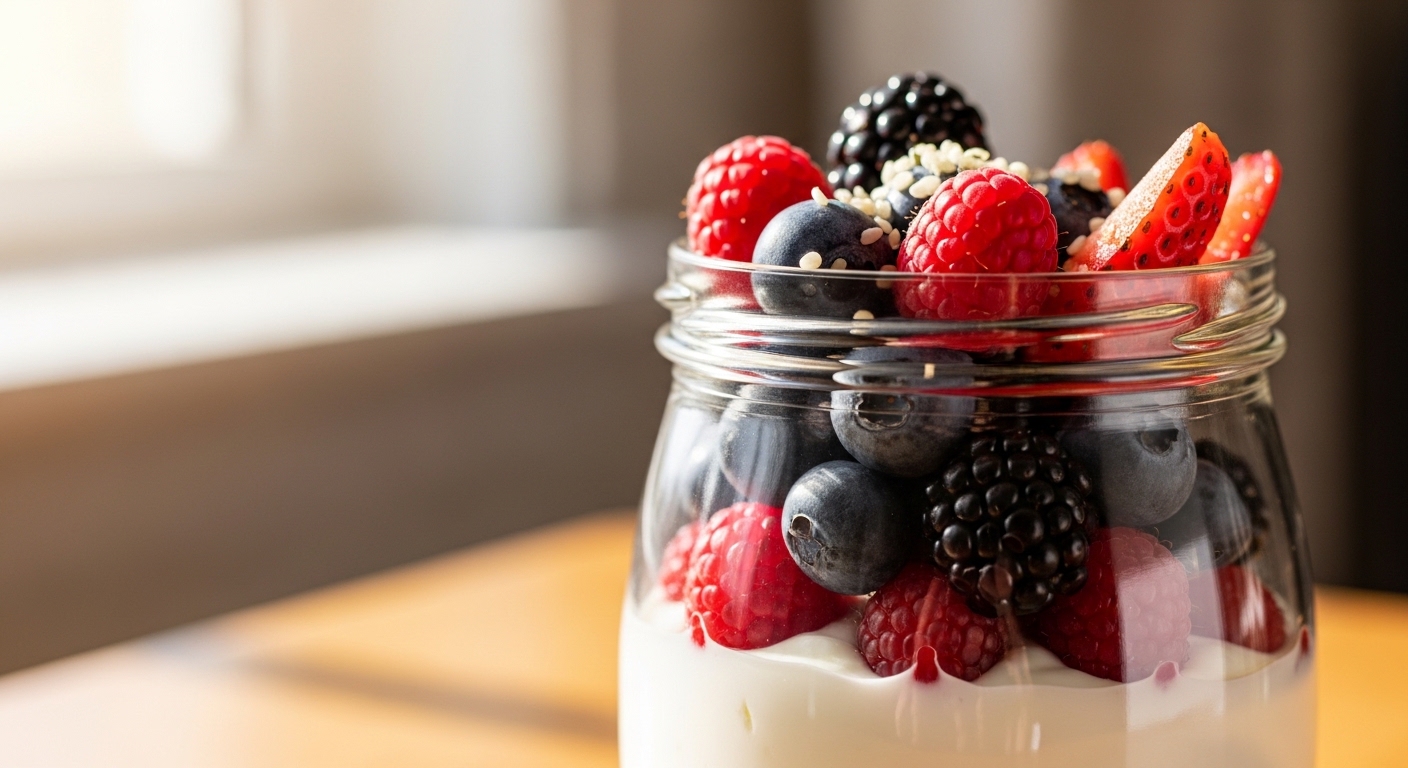
1. Greek Yogurt Parfait with Mixed Berries and Hemp Seeds
Greek yogurt is one of the most underrated high protein breakfast foods for women, and it deserves far more attention than it gets. A single cup of plain full fat Greek yogurt contains approximately 17 to 20 grams of protein depending on the brand. Layer it with a handful of blueberries or raspberries, a sprinkle of hemp seeds (which add another 10 grams of protein per three tablespoons), and a drizzle of raw honey for a breakfast that feels indulgent but is completely aligned with your health goals.
The combination of probiotics from the yogurt and antioxidants from the berries makes this one of the best anti inflammatory breakfasts you can eat. Your gut, your skin, and your waistline will all notice the difference.
Protein count: approximately 25 to 30 grams per serving
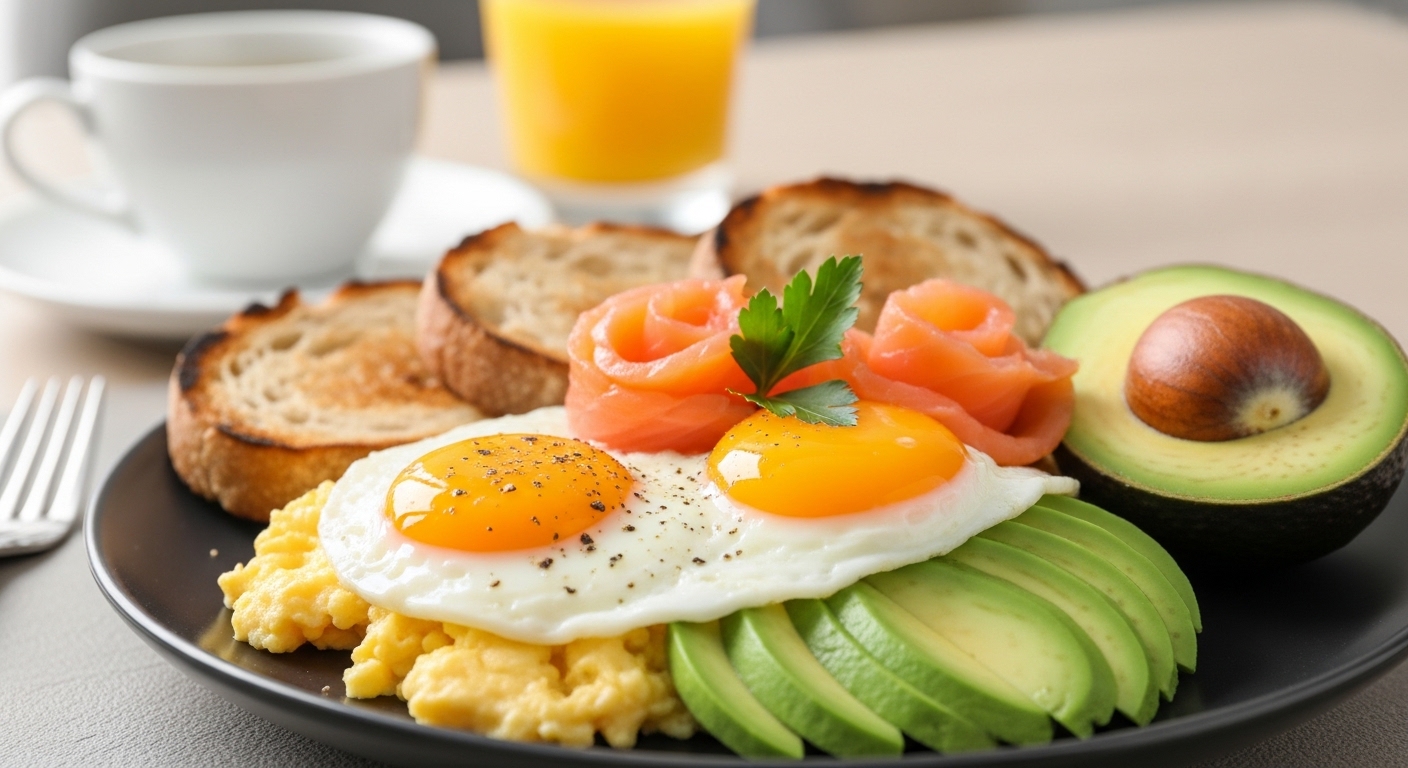
2. Scrambled Eggs with Smoked Salmon and Avocado
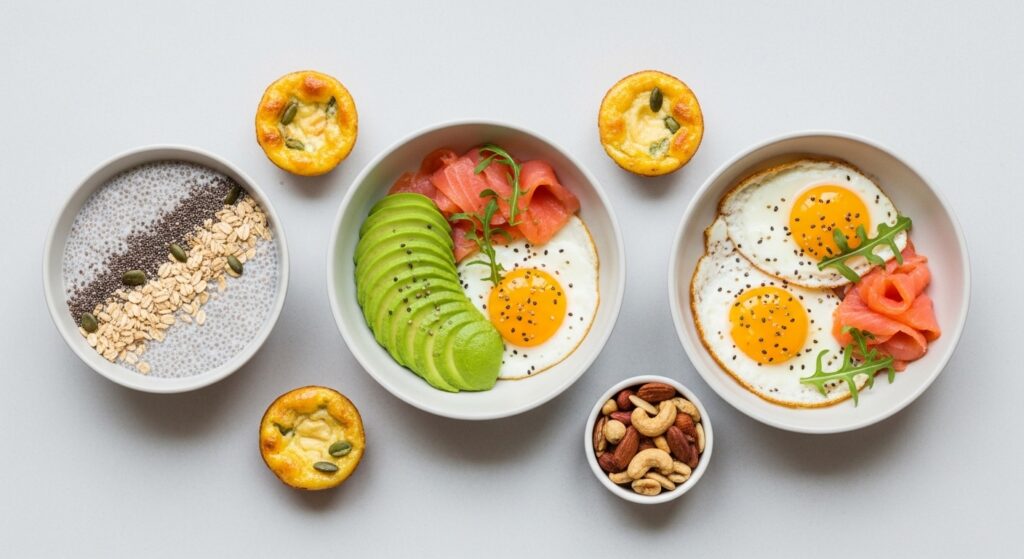
This is the kind of breakfast that feels like something you would order at a fancy brunch spot, and yet it takes about eight minutes to put together. Two large eggs provide around 12 grams of protein, and adding two to three ounces of smoked salmon brings in another 16 grams. Avocado contributes healthy monounsaturated fats that slow digestion, keeping you full even longer.
According to theNational Institutes of Health (NIH) omega-3 fatty acids play an important role in brain function, inflammation control, and overall cardiovascular health.
Serve it on a slice of whole grain sourdough for complex carbohydrates that release energy slowly throughout the morning.
Protein count: approximately 28 to 32 grams per serving
3. Cottage Cheese Power Bowl
Cottage cheese had a serious moment on social media recently, and it earned every bit of that attention. One cup of low fat cottage cheese packs around 25 grams of protein with minimal fat and very few calories. The trick is making it exciting, because on its own it can feel a little plain.
Try topping it with sliced cherry tomatoes, cucumber, a crack of black pepper, and a drizzle of extra virgin olive oil for a savory bowl that feels Mediterranean and satisfying. Alternatively, go the sweet route with sliced peaches, cinnamon, and crushed walnuts for something that feels almost like dessert.
Cottage cheese is also rich in casein protein, which digests slowly and continues feeding your muscles with amino acids for hours. If you are trying to preserve lean muscle while in a calorie deficit, this is one of the smartest breakfasts you can choose.
Protein count: approximately 25 to 27 grams per serving
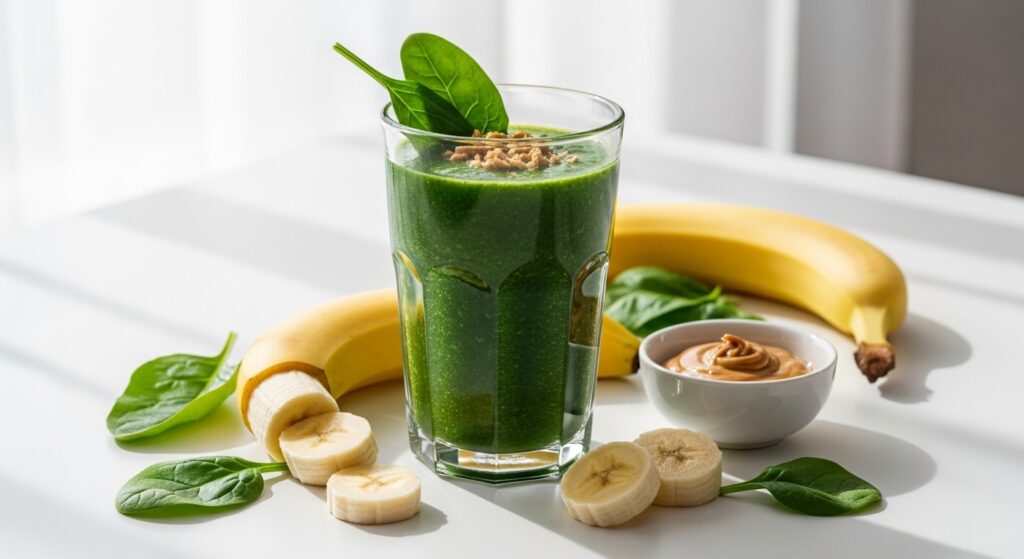
4. Protein Smoothie with Spinach, Banana, and Nut Butter
A well built protein smoothie is one of the fastest high protein breakfast options for busy women who do not have time to cook in the morning. The key word there is well built. A smoothie made from just fruit and juice is essentially a sugar bomb. The version we are talking about is completely different.
Blend together one scoop of vanilla or unflavored protein powder (around 20 to 25 grams of protein), one frozen banana, a large handful of baby spinach, one tablespoon of almond butter, one cup of unsweetened almond milk, and a few ice cubes. The result is a thick, creamy, vibrantly green smoothie that tastes like a treat and fuels you like a proper meal.
The spinach adds iron and folate without altering the flavor at all. The banana provides natural sweetness and potassium. The nut butter brings healthy fats that keep blood sugar stable. This one checks every box.
Protein count: approximately 30 to 35 grams per serving
5. Egg Muffins with Vegetables and Feta Cheese
Meal prep lovers, this one is your best friend. Egg muffins are essentially mini crustless quiches you bake in a muffin tin, and they keep in the refrigerator for up to five days. Whisk together six to eight eggs with chopped spinach, diced bell pepper, crumbled feta cheese, and a pinch of dried oregano. Pour the mixture into a greased muffin tin and bake at 180 degrees Celsius for about 20 minutes.
Each muffin contains roughly 7 to 8 grams of protein, so eating three or four of them at breakfast gives you a solid 21 to 32 gram protein hit with virtually no effort on a Monday morning. Pair them with a piece of fruit or a small side of sliced avocado for a complete and balanced meal.
The feta brings calcium and a tangy, satisfying flavor that keeps these muffins from feeling like diet food. They genuinely taste great, which is exactly the point.
Protein count: approximately 21 to 32 grams per serving depending on quantity
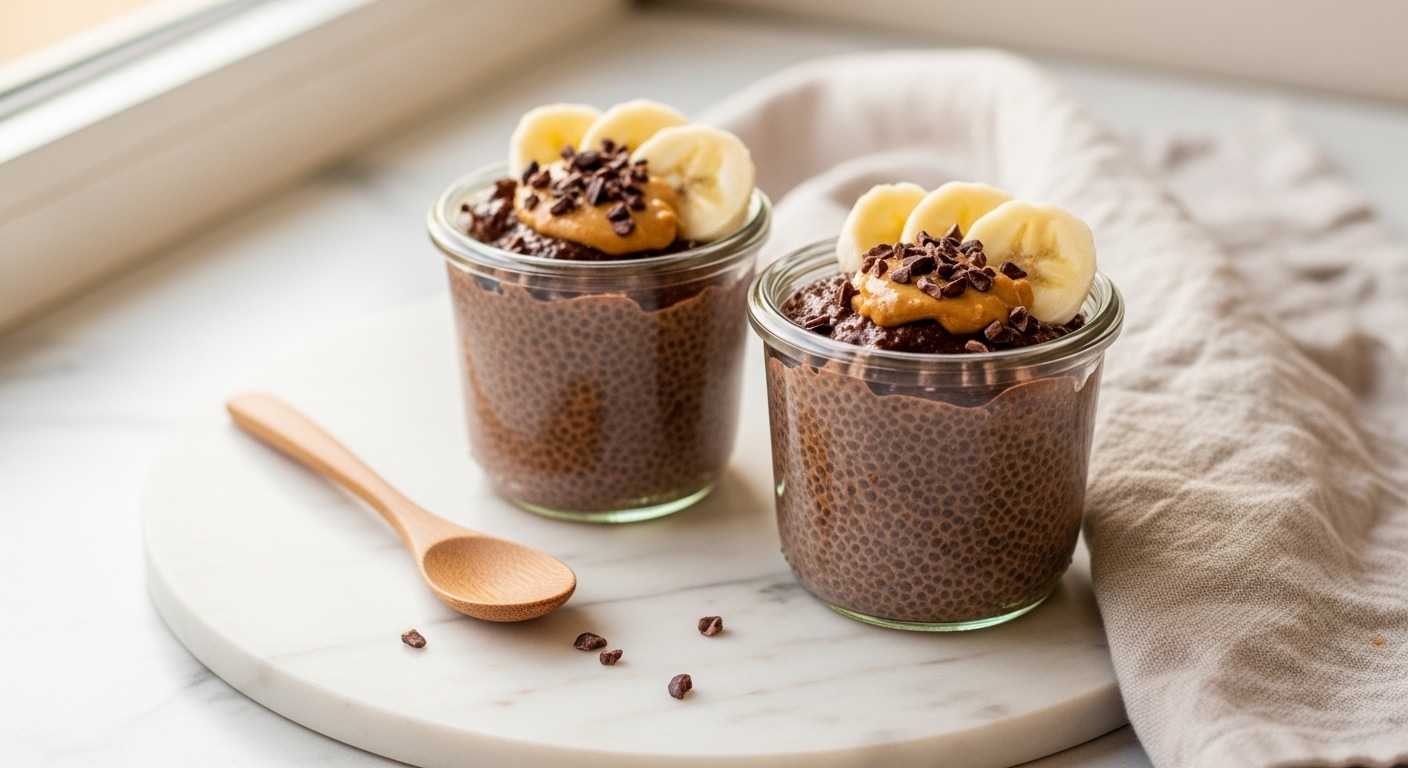
6. Chia Seed Pudding with Collagen and Almond Milk
Chia seed pudding has been a staple in wellness communities for years, and for good reason. Two tablespoons of chia seeds contain around 4 grams of protein and a remarkable amount of fiber that expands in your stomach and keeps you full for hours. The real upgrade here is adding a scoop of collagen peptides to your pudding mixture before refrigerating overnight.
Collagen peptides are flavorless, dissolve easily, and add 10 to 12 grams of additional protein per serving. They also support skin elasticity, joint health, and hair strength, making this a beautiful crossover between your food goals and your beauty goals. For more on how nutrition directly affects your appearance, explore our beauty section where we dive deep into the skin and food connection.
Top your pudding with mango chunks, toasted coconut flakes, and a few macadamia nuts for a tropical breakfast that feels like a vacation in a jar.
Protein count: approximately 16 to 20 grams per serving
7. Tofu Scramble with Turmeric and Black Beans
If you are plant based or simply trying to eat less animal protein, a tofu scramble is one of the most satisfying and protein rich breakfasts you can make. Firm tofu crumbled into a pan with olive oil, turmeric, cumin, garlic powder, and nutritional yeast looks and tastes remarkably similar to scrambled eggs. Adding half a cup of black beans to the pan bumps the protein content significantly while also adding gut feeding fiber.
Half a block of firm tofu provides around 20 grams of protein, and the black beans add another 7 grams. Turmeric contains curcumin, which Medical News Today reports has potent anti inflammatory properties that may support metabolic health and fat reduction over time. This is a genuinely powerful plant based protein breakfast.
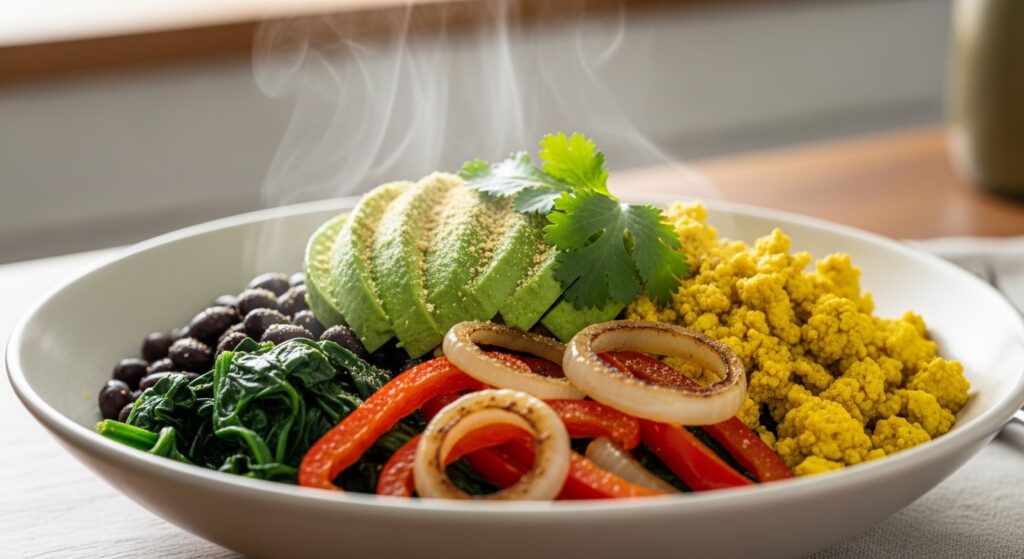
Serve it wrapped in a warm corn tortilla for a breakfast burrito situation that absolutely nobody will complain about.
Protein count: approximately 27 grams per serving
8. Overnight Oats with Protein Powder and Peanut Butter
Overnight oats are convenient, customizable, and genuinely delicious when made well. The standard version made with just oats and milk is fine, but adding a scoop of protein powder and a tablespoon of peanut butter transforms it into a high protein breakfast powerhouse. Combine half a cup of rolled oats with one cup of unsweetened oat milk, one scoop of chocolate or vanilla protein powder, one tablespoon of natural peanut butter, and a teaspoon of maple syrup. Stir well, cover, and refrigerate overnight.
In the morning you have a thick, creamy, pudding like breakfast waiting for you that tastes genuinely indulgent. Top it with sliced banana and a sprinkle of cacao nibs for extra antioxidants and a subtle chocolatey crunch.
Protein count: approximately 28 to 32 grams per serving
9. Smoked Salmon and Cream Cheese Rice Cakes
This is the high protein breakfast for the woman who wants something light feeling but still substantial. Two rice cakes spread with a generous layer of cream cheese, topped with two to three ounces of smoked salmon, thin cucumber slices, capers, and fresh dill creates an elegant, hotel breakfast level meal in under five minutes.
Smoked salmon alone brings around 16 grams of protein per three ounce serving. Cream cheese adds a small amount of additional protein and fat that helps with satiety. Rice cakes are low glycemic, meaning they do not cause blood sugar spikes. Everything about this combination is working in your favor.
It is also beautiful enough to photograph, which means your breakfast motivation level goes through the roof.
Protein count: approximately 18 to 22 grams per serving
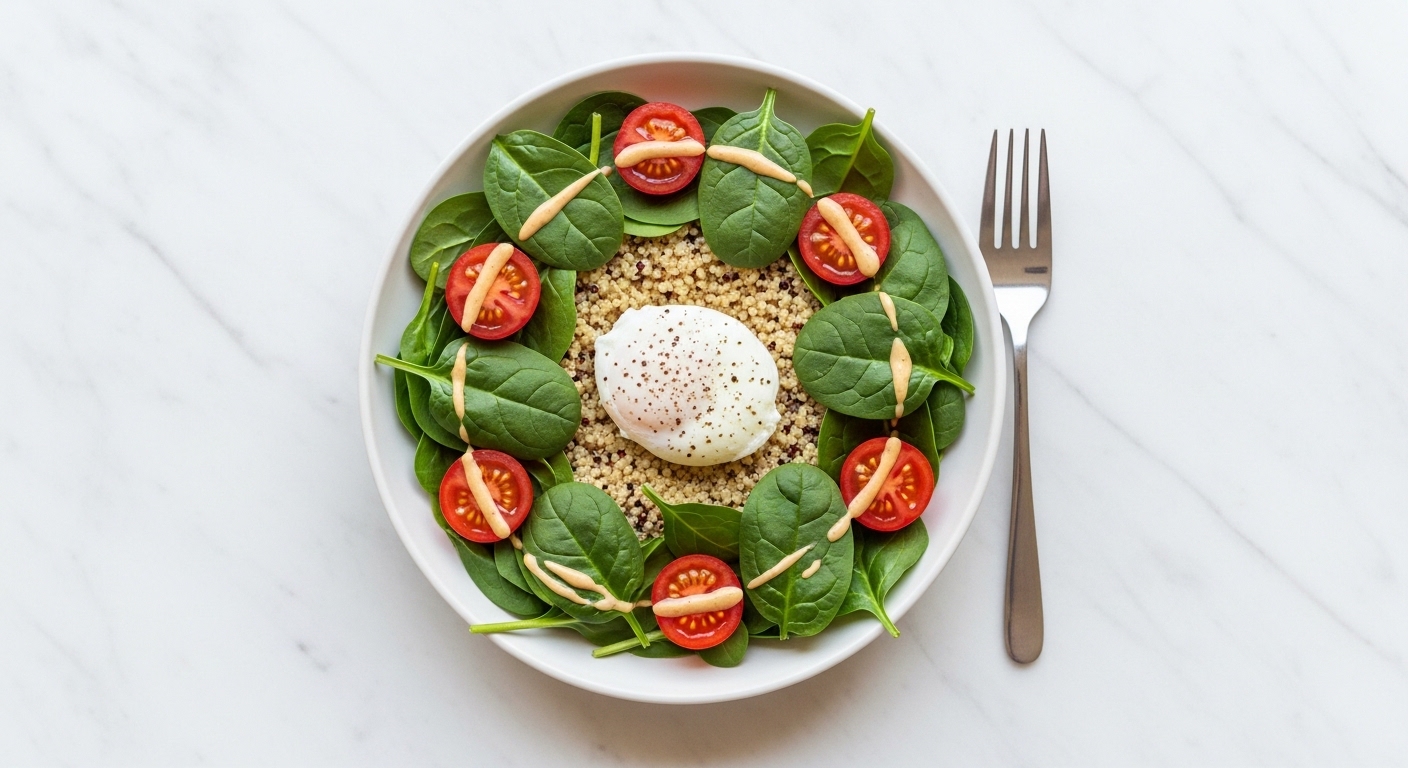
10. Quinoa Breakfast Bowl with Poached Egg and Greens
Most people think of quinoa as a lunch or dinner grain, but it makes an extraordinary high protein breakfast base. One cup of cooked quinoa contains around 8 grams of complete protein, meaning it contains all nine essential amino acids, which is rare for a plant food. Top your warm quinoa bowl with a poached egg (6 grams protein), a handful of wilted spinach, a few cherry tomatoes, and a drizzle of tahini.
The flavor profile is savory, warm, and deeply satisfying in a way that sweet breakfasts rarely are for people who tend to prefer savory food. This bowl supports sustained energy, muscle maintenance, and digestive health all at once.
Protein count: approximately 22 to 26 grams per serving
The Science Behind High Protein Breakfasts and Weight Loss
The connection between dietary protein and weight management is one of the most well supported relationships in nutrition science. According to research published by the National Institutes of Health (NIH), dietary protein increases energy expenditure more than carbohydrates or fats due to its higher thermic effect. It also promotes the release of satiety hormones like peptide YY and GLP 1, which signal fullness to your brain far more effectively than a carbohydrate heavy meal ever could.
For women specifically, the relationship between protein and hormonal balance is particularly important. Adequate protein intake supports thyroid function, helps stabilize cortisol levels (the stress hormone linked to belly fat), and provides the amino acids needed for neurotransmitter production, including serotonin and dopamine. Eating well is genuinely an act of self care that extends far beyond your waistline.
If you want to dive deeper into the intersection of nutrition and overall wellbeing, our health category is packed with expert backed articles on everything from gut health to hormonal balance.
Expert Backed Tips for Building the Perfect High Protein Breakfast
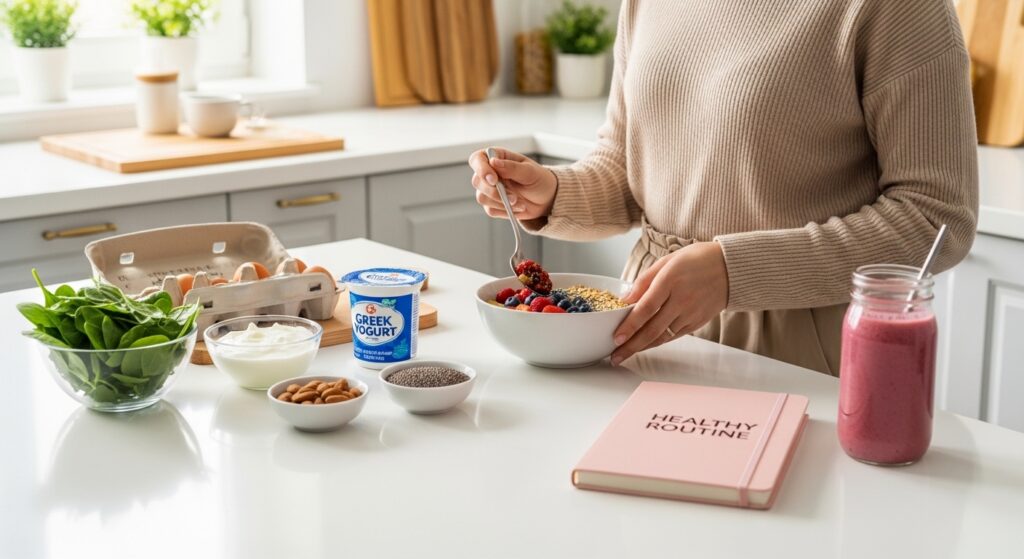
Getting more protein at breakfast does not have to feel complicated. Here are some practical, expert aligned strategies that make it effortless.
- Always aim to include at least one complete protein source such as eggs, Greek yogurt, cottage cheese, tofu, or protein powder in your first meal.
- Pair your protein with fiber to slow digestion and extend the feeling of fullness. Think chia seeds, oats, vegetables, or legumes alongside your protein.
- Prepare ahead wherever possible. Egg muffins, overnight oats, and chia pudding can all be made in advance so mornings stay stress free.
- Do not skip healthy fats. Avocado, nut butter, olive oil, and salmon all slow gastric emptying, which means you stay full longer and avoid mid morning energy crashes.
- Avoid high sugar additions. Flavored yogurts, sweetened nut milks, and commercial granola can quietly sabotage a high protein breakfast by spiking blood sugar and triggering cravings later.
Key Takeaways
Before we wrap up, here is a quick summary of everything covered in this guide.
- Eating 25 to 35 grams of protein at breakfast is clinically supported as beneficial for weight loss, appetite control, and sustained energy.
- You do not need to rely on the same boring egg recipe every morning. There are ten genuinely delicious and varied options available to you.
- Plant based women can absolutely hit their protein targets at breakfast using tofu, quinoa, chia seeds, beans, and collagen peptides.
- Meal prepping your breakfast the night before removes the biggest barrier most women face, which is lack of time in the morning.
- The combination of protein, fiber, and healthy fat at breakfast creates a hormonal environment that supports fat loss without hunger or deprivation.
Start Your Morning Like You Mean It
Your breakfast is not just food. It is information you are sending to your body about how the rest of your day will go. When you lead with protein, you are telling your metabolism to stay active, your hunger hormones to stay calm, and your brain to stay sharp. That ripple effect extends through every decision you make for the rest of the day.
None of the ten breakfasts in this list require you to be a great cook, spend a fortune on ingredients, or sacrifice flavor for health. They are all designed for real women with real mornings, and they are all genuinely enjoyable to eat.
Try one this week. Then try another. Notice how differently you feel by 11 a.m. Your body will thank you in the most tangible ways possible. For more nourishing recipes, beauty boosting nutrition tips, and women’s wellness content, explore everything waiting for you across our food, health, and beauty sections.
Frequently Asked Questions
What is the best high protein breakfast for weight loss?
The best high protein breakfast for weight loss is one that contains at least 25 grams of protein, includes fiber, and keeps you full for three to four hours. Top choices include Greek yogurt parfaits, scrambled eggs with smoked salmon, and protein smoothies made with nut butter and leafy greens. Consistency matters more than perfection, so the best option is always the one you will actually enjoy eating every day.
Can I lose weight just by eating more protein at breakfast?
While breakfast protein alone is not a complete weight loss strategy, research strongly supports that it reduces daily calorie intake, decreases cravings, and supports a higher metabolic rate. Combined with balanced meals throughout the day and regular movement, a high protein breakfast is one of the most effective dietary habits you can adopt for sustainable weight loss.
How much protein is too much at breakfast?
For most healthy women, consuming 30 to 40 grams of protein at breakfast is well within a safe and beneficial range. Extremely high amounts above 60 grams in a single meal are unlikely to cause harm but may not offer additional benefits, as the body can only use so much protein for muscle synthesis at one time. Spreading protein intake across meals throughout the day is generally considered the most effective approach.
Are protein shakes a good breakfast option?
A well formulated protein shake can absolutely serve as a high protein breakfast, particularly on busy mornings. The key is to ensure it contains adequate protein (at least 20 grams), minimal added sugar, and ideally some blended whole food ingredients like fruit, nut butter, or leafy greens to provide fiber and micronutrients alongside the protein.
Related Articles
Explore more topics in this category

Thanksgiving Dinner Recipes: 12 Delicious Dishes
Planning a Thanksgiving dinner becomes easier when you have delicious recipes ready. This collection brings together 12 dishes for a festive holiday table. You will find roast turkey, glazed ham, creamy sides, colorful vegetables, homemade gravy, and pumpkin cheesecake. These recipes help create a balanced Thanksgiving meal with comforting flavors. What Makes a Great Thanksgiving…
Healthy Snacks You Can Make at Home Easily
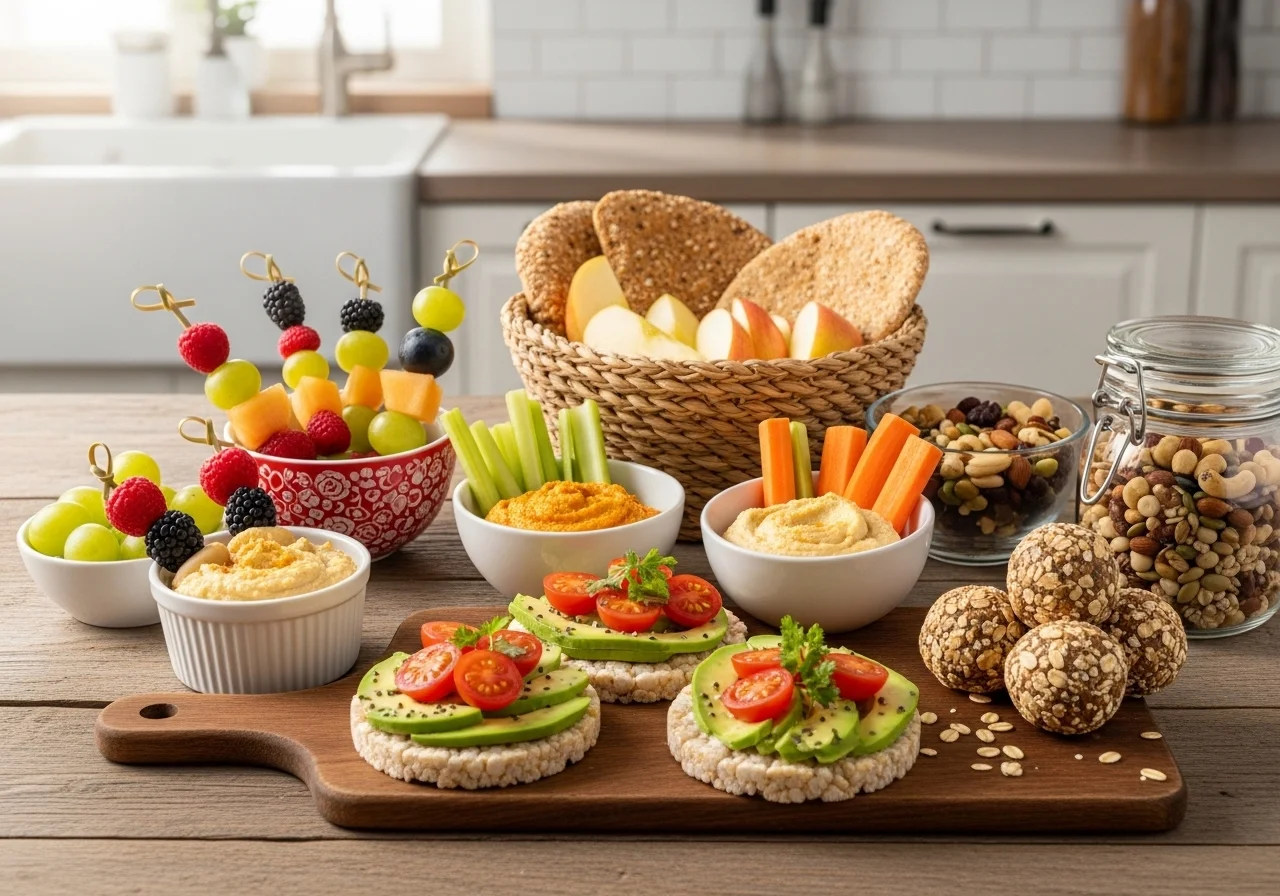
Healthy eating does not mean giving up tasty snacks. Many packaged snacks contain excess sugar, unhealthy fats, and preservatives that can affect your energy and long-term health. The good news is that you can prepare simple, delicious, and nutritious snacks right at home. Homemade healthy snacks help you control ingredients, portion sizes, and nutrition. They…

30 Minute Dinner Recipes: Quick and Easy Meals
In today’s fast-paced world, juggling work, school, and family responsibilities can leave little time for cooking. But what if you could prepare a healthy, delicious dinner in just 30 minutes? With simple ingredients and easy-to-follow steps, these 30-minute dinner recipes are perfect for busy women, students, beginners, and families who need quick meal solutions. In…

Emma
Hey there! Welcome to my blog. I love sharing practical tips, hidden secrets, and awesome hacks to help you live beautifully and smart. Stay tuned for more exciting updates!
Read More About Emma →