
Best Natural Skincare Routine for All Skin Types
Written by Emma ·
Are you thinking about switching to a natural skincare routine but do not know where to begin? You are not alone. Millions of people are moving away from chemical-laden products and embracing cleaner, plant-powered alternatives. Whether your skin is oily, dry, sensitive, or somewhere in between, there is a natural routine that can work beautifully for you.
In this complete guide, we break down everything you need to know from understanding what “natural” really means to building a simple daily routine using ingredients that are gentle, effective, and kind to your skin.
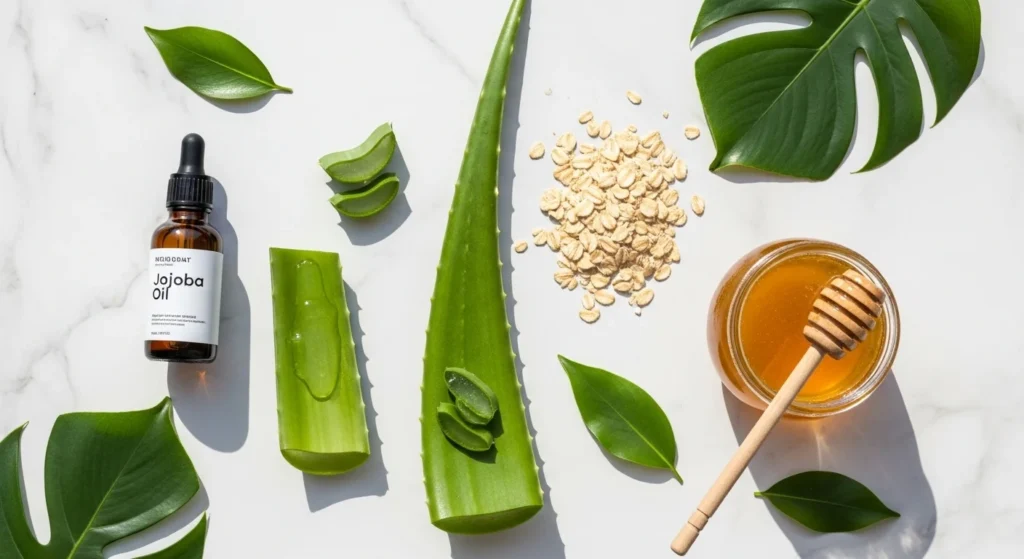
What Is a Natural Skincare Routine?
A natural skincare routine is a daily regimen built around products made from plant-based, mineral, or other earth-derived ingredients. These products avoid synthetic chemicals, petroleum based compounds, and artificial fragrances commonly found in conventional skincare.
That said, the word “natural” is not legally regulated across the beauty industry. Each brand can define it differently. This is why reading ingredient labels carefully and choosing brands with credible certifications matters far more than trusting a label alone.
Some natural ingredients such as undiluted essential oils can still irritate certain skin types. Understanding what works for your unique skin is always the first step before starting any new routine.
Benefits of a Natural Skincare Routine
Plant-based skincare ingredients are rich in vitamins, antioxidants, essential oils, proteins, and bioactive compounds. These elements work together to nourish, protect, and repair skin often without the side effects that synthetic products can cause.
Here is how a natural skincare routine benefits different skin types:
For Oily Skin
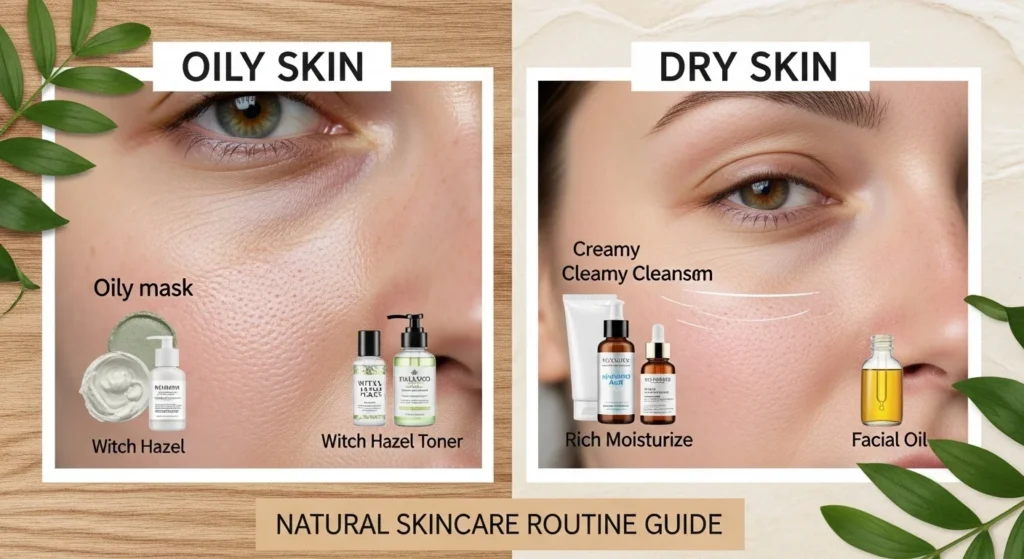
Oily skin produces excess sebum, which leads to shine, enlarged pores, and breakouts. A natural routine can regulate oil production using lightweight, non-comedogenic ingredients like green tea extract, witch hazel, and tea tree oil without stripping away your skin’s essential moisture barrier.
For Dry Skin
Dry skin lacks moisture and can feel tight, rough, or flaky throughout the day. Natural ingredients such as shea butter, aloe vera, and colloidal oatmeal deliver deep hydration and lock moisture into the skin, soothing dryness without causing further irritation.
For Combination Skin
Combination skin features oily zones across the forehead, nose, and chin alongside dry patches on the cheeks. Harsh synthetic ingredients can worsen both conditions simultaneously. A balanced natural routine using fragrance-free and alcohol-free products keeps both areas calm.
For Acne-Prone Skin
Natural skincare can be a powerful ally for breakout-prone skin. Ingredients like tea tree oil, neem extract, and zinc oxide have antibacterial properties that target blemishes without the dryness, redness, or sensitivity that conventional acne treatments often cause.
For more tips on clearing skin naturally, visit the Her Beauty Hacks blog.
For Sensitive Skin
Sensitive skin reacts quickly to fragrances, preservatives, and strong active ingredients. Research found that long-wear products such as moisturisers are most likely to cause adverse reactions when they contain artificial fragrances. Switching to naturally derived, fragrance-free alternatives can help gradually rebuild a healthy skin barrier.
For Darker Skin Tones
Darker skin tones contain higher concentrations of melanin and may be more prone to hyperpigmentation, post-acne marks, and keloid scarring. Natural skincare products with anti-inflammatory ingredients, vitamin C, and bakuchiol can help even skin tone and support skin health. For specific skin conditions, always consult a qualified dermatologist.

Terms to Know Before You Shop
Shopping for natural skincare can feel overwhelming with so many buzzwords on packaging. Here is a clear breakdown of what common terms actually mean:
What Is the Product Derived From?
- Naturally Occurring Ingredients used in their raw, unprocessed state. Examples include raw honey, crushed rose petals, and unrefined shea butter.
- Nature-Identical Ingredients recreated in a laboratory that are chemically identical to those found in nature. Sorbic acid is a common example originally from rowan berries, now lab-produced but behaving identically on skin.
- Synthetic Ingredients created entirely in a lab with no natural origin. Parabens are a well-known example, widely used as preservatives in conventional cosmetics.
How Is It Processed?
Even naturally sourced ingredients can be processed in ways that alter their composition:
- Physical processing keeps the molecular structure intact. Cold-pressed oils and filtered plant butters fall into this category.
- Chemical processing changes the molecular structure. Castor wax, derived from castor beans, undergoes hydrogenation significantly altering it from its original natural state.
Know Your Labels
| Label | Regulated? | What It Means |
| Organic | Yes | Grown without synthetic pesticides; can be certified |
| Green | No | Focuses on sustainability and environmental impact |
| Clean | No | Generally nontoxic; definition varies by brand |
| Vegan | No (unless certified) | Contains no animal by-products |
| Cruelty-Free | No (unless certified) | Finished product not tested on animals |
| Fair-Trade | Yes | Ingredients ethically sourced for people and planet |
Note: A product can be cruelty-free but not vegan a lip balm containing beeswax is a classic example. If both matter to you, always check for both certifications independently.
Example of a Natural Skincare Routine
Everyone’s skin is unique. The routine below is a reliable starting framework for most skin types. Adjust products based on how your skin responds over time.

Morning Routine
Step 1: Cleansing
Begin every morning by gently washing away overnight oils, sweat, and residue. Use a natural cleanser in soft circular motions, rinse with lukewarm water, and pat dry. Look for formulas enriched with vitamins A, B2, B12, or E to nourish skin as they cleanse it.
Step 2: Exfoliating (2–3 Times Weekly Only)
Exfoliation removes dead skin cells and allows your other products to absorb more effectively. Use a gentle natural exfoliant such as finely ground oatmeal for about 30 seconds in light circular movements before rinsing with lukewarm water. Never exfoliate every day this weakens the skin barrier and triggers inflammation. Skip this step on non-exfoliation days.
Step 3: Toning
A natural toner rebalances your skin’s pH after cleansing, tightens the appearance of pores, and removes any remaining traces of impurities. Look for plant-based options such as rose water, grape seed extract, or peach extract. These are effective, alcohol-free, and gentle for daily use.
Step 4: Moisturising
Apply a natural moisturiser containing phytoceramides plant-derived lipids that lock in moisture and reinforce the skin’s protective barrier. If you use a serum, apply it first on your cheeks, chin, nose, and forehead and allow it to absorb before layering moisturiser on top. Serums carry active ingredients deeper into the skin layers for targeted results.
Application order: Serum → Moisturiser → SPF
Step 5: Sun Protection
SPF is non-negotiable every single day even in winter. Mineral sunscreens using zinc oxide or titanium dioxide are a more skin-friendly and eco-conscious option. Tinted mineral formulas are available for deeper skin tones to avoid a white cast.

Nighttime Routine
Step 1: Repeat Your Morning Routine
Follow the same cleansing, toning, and moisturising steps. Include exfoliation on your scheduled days. Skip the SPF your skin regenerates overnight and does not need sun protection.
Step 2: Eye Cream
The skin around the eyes is the thinnest and most delicate on your face, and the first area to show signs of ageing. Apply a natural eye cream using your ring finger the weakest finger to apply the lightest possible pressure. Massage softly in small circles to boost circulation and support collagen.
Step 3: Night Moisturiser
Overnight is when your skin enters its repair and regeneration cycle. A richer, more nourishing night cream actively supports this process. Look for natural formulas containing rosehip oil, squalane, or bakuchiol for overnight renewal. Apply as the last step and let your skin do the work while you rest.

Natural Product Examples
Here are the top natural ingredients to look for when building your routine:
Aloe Vera
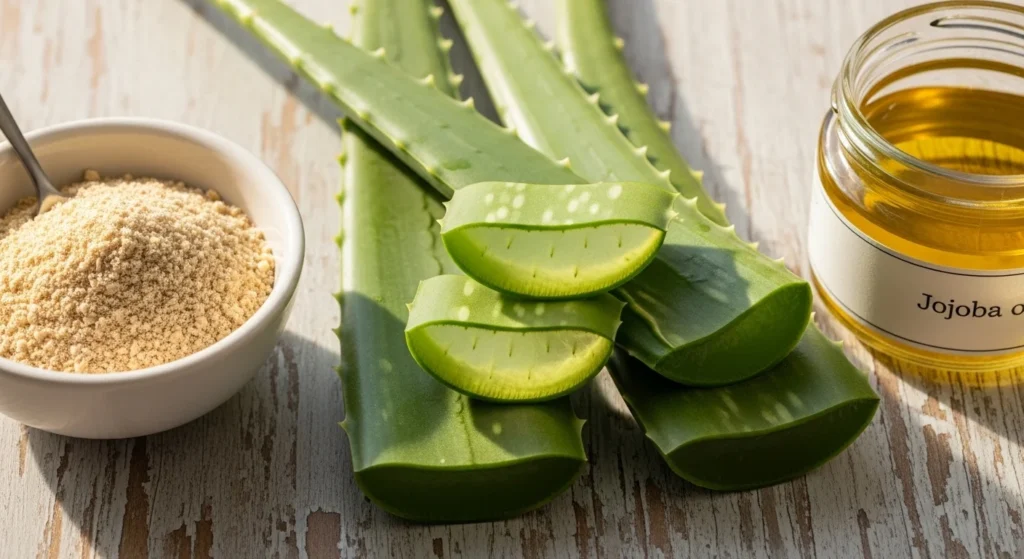
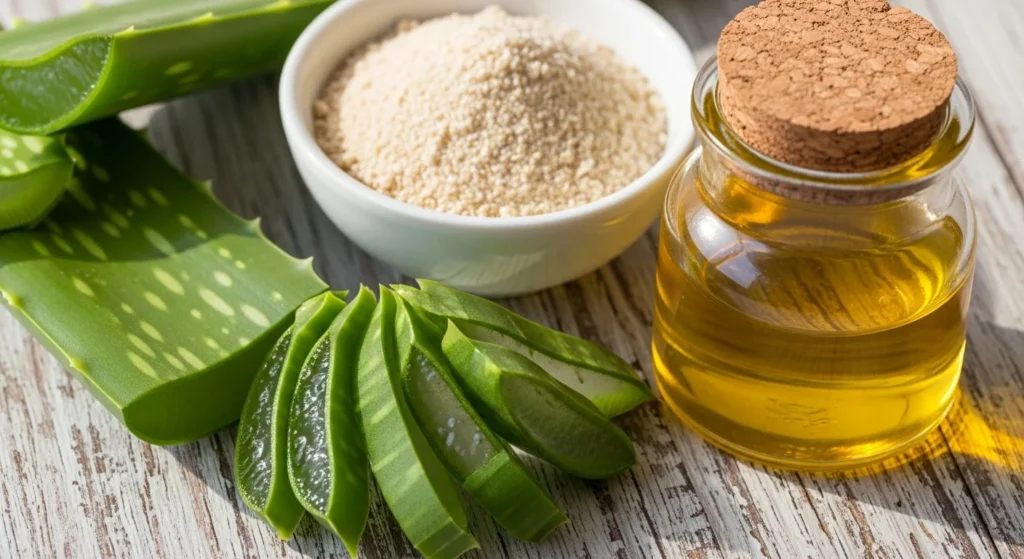
Aloe vera is one of the most versatile natural skincare ingredients in existence. The clear gel found inside its leaves is packed with hydrating, anti-inflammatory, and healing properties. It soothes sunburn, calms reactive skin, reduces breakouts, and relieves dryness suitable for almost every skin type.
Colloidal Oatmeal
Colloidal oatmeal has been a trusted remedy for dry and sensitive skin for generations. Clinical research confirms it strengthens the skin barrier, improves moisture retention, and relieves both dryness and inflammation making it ideal for eczema-prone and reactive skin.
Jojoba Oil
Unlike most plant oils, jojoba is technically a liquid wax making it remarkably similar to the skin’s own natural sebum. It absorbs quickly, does not clog pores, and works for all skin types including oily and acne-prone. It also carries proven anti-inflammatory, antifungal, and antioxidant properties.
Vitamins for the Skin
- Vitamin A Speeds up skin cell turnover, smooths fine lines, and boosts collagen production.
- Vitamin C A powerful antioxidant that protects against UV damage and brightens uneven skin tone.
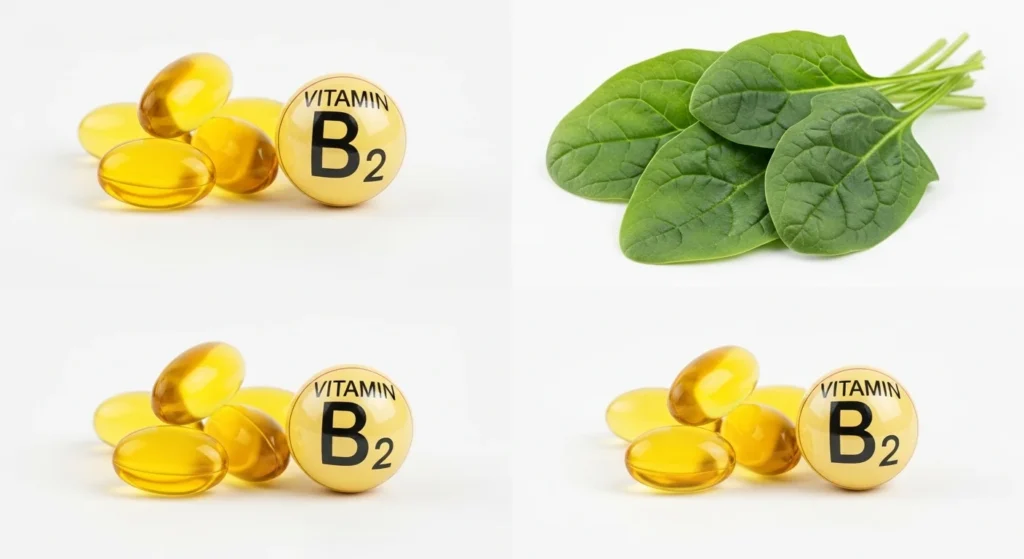
- Vitamin B2 Protects skin cells from inflammation and oxidative stress.
- Vitamin E Seals in moisture and shields skin from environmental damage.
Bonus Tips: Weekly Skin Treatments
Adding targeted treatments once or twice a week makes a noticeable difference to skin clarity, texture, and overall glow.
Detox Mask (1–2 Times Weekly)
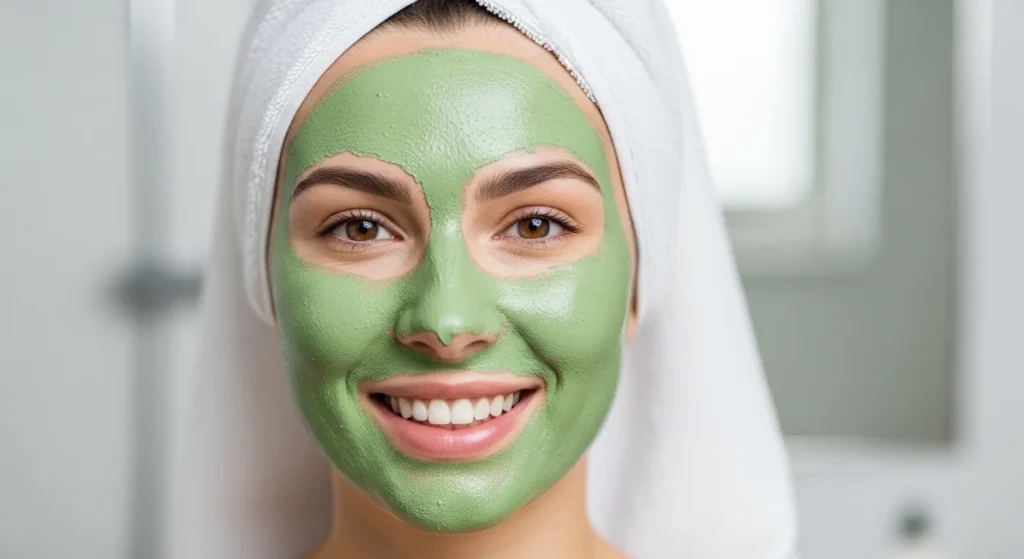
A natural clay or charcoal mask draws out deep-seated impurities and excess sebum that daily cleansing cannot fully remove. Green tea leaf masks deliver concentrated antioxidants that brighten and rejuvenate dull-looking skin. Use once or twice weekly depending on your skin type.
Bakuchiol Serum
If retinol interests you but causes stinging, peeling, or sun sensitivity, bakuchiol is your natural alternative. Derived from the babchi plant, it has been clinically shown to reduce fine lines, improve texture, and decrease hyperpigmentation without irritation. Safe for sensitive skin and suitable for both morning and evening use.
Explore more clean beauty alternatives and in-depth natural skincare guides at Her Beauty Hacks.
Safety and Important Considerations
Natural does not automatically mean safe for every individual. Keep these points in mind:
- Cancer treatment: The American Academy of Dermatology notes that certain natural supplements including vitamins A and C and St. John’s Wort may interact with chemotherapy and radiation. Always speak with your doctor first.(AAD)
- Shorter shelf life: Natural products without synthetic preservatives expire sooner. If a product changes in smell, colour, or consistency, discard it immediately.
- Sunscreen expiry: Most sunscreens are effective for up to three years. Always check the expiry date before use.
- Patch testing: Always patch test any new product on the inside of your wrist or behind your ear and wait 24 hours before applying to your face.
- Seek professional advice: For persistent skin conditions acne, eczema, hyperpigmentation, or skin cancer consult a qualified dermatologist before changing your routine.
Summary
Switching to a natural skincare routine is one of the best investments you can make in your long-term skin health. There are plant-powered solutions for every skin type and concern.
Key takeaways:
- The term “natural” is unregulated always read labels and check certifications
- Build your routine around your specific skin type and needs
- Cleanse, tone, moisturise, and protect your skin every single day
- Use proven natural heroes: aloe vera, jojoba oil, colloidal oatmeal, and vitamins
- Add detox masks and bakuchiol serum weekly for enhanced results
- Always patch test any new product before full application
- Consult a dermatologist for persistent or specific skin conditions
Ready to explore more? Browse our full skincare guides, clean beauty tips, and natural beauty routines at Her Beauty Hacks.
This article is for informational purposes only and does not constitute medical or dermatological advice. Consult a qualified professional for personalised guidance.
Related Articles
Explore more topics in this category

Acne Skincare That Actually Cleared My Skin Fast
For years, I kept making the same mistake with my skin. I tried every “miracle” product I saw online, followed random routines, and constantly switched between skincare trends hoping something would finally work. Instead of getting better, my acne just kept coming back in different forms. It took me a long time to understand that…

10 Sunscreen Tips for Everyday Skin Protection
Sunscreen is one of the most important skincare products you can use every day. Many people only apply sunscreen during summer or beach trips, but harmful UV rays affect your skin year-round. Sun exposure can lead to premature aging, dark spots, uneven skin tone, sunburn, and long-term skin damage. Daily sunscreen use helps protect your…

10 Summer Skincare Tips for Oily Skin Guide
Summer can be challenging for oily skin. Heat, humidity, and sweat often increase oil production, making your skin feel greasy, clogged, and prone to breakouts. Excess shine, enlarged pores, and acne can quickly become frustrating during hot weather. The good news is that oily skin can stay healthy and balanced with the right summer skincare…

Emma
Hey there! Welcome to my blog. I love sharing practical tips, hidden secrets, and awesome hacks to help you live beautifully and smart. Stay tuned for more exciting updates!
Read More About Emma →